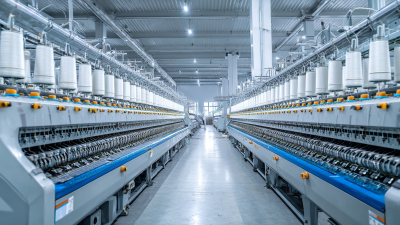
The textile industry plays a crucial role in global trade. In 2026, the demand for efficient production methods is higher than ever. Textile Industry Machines are at the forefront of this evolution. They enhance productivity and ensure quality.
Innovative machines are reshaping how textiles are produced. Automation and smart technology lead the way. However, not all machines meet the required standards. Some may lack precision or durability. This can result in waste and increased costs for manufacturers.
Choosing the right machines is vital. It impacts the overall efficiency of production lines. Companies must weigh the benefits against potential shortcomings. Investing in high-quality Textile Industry Machines promises better outcomes. Yet, businesses must be aware of their unique needs. Only then can they thrive in a competitive market.
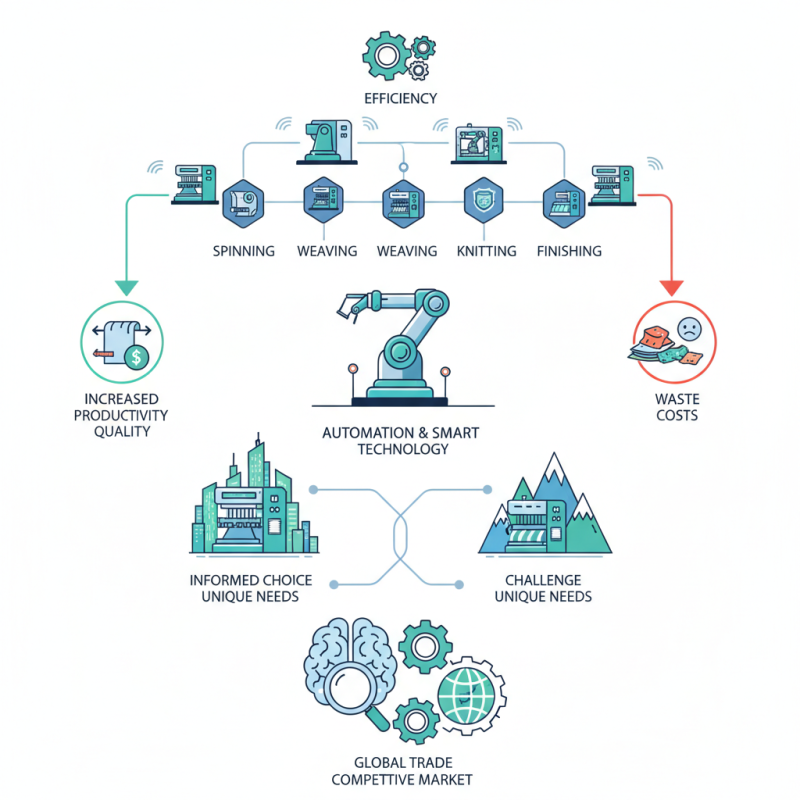
In 2026, the textile industry is witnessing remarkable advancements. New machines are being introduced, enhancing production efficiency. Automation plays a crucial role. Factories are investing in technologies that streamline processes and reduce waste.
These machines are designed to be user-friendly. However, some operators face challenges in adapting to new systems. Training programs are essential to bridge this gap. Furthermore, sustainability is at the forefront. Many machines now use eco-friendly materials and energy-efficient designs. This shift helps in reducing the industry’s carbon footprint.
Despite these advancements, the industry must remain vigilant. Integration of technology often leads to job displacement. Workers must be reskilled to take on new roles. This reflection is vital for a balanced approach to progress. The landscape is evolving, but it demands careful consideration of its social impact.
| Machine Type | Key Features | Efficiency Rating | Typical Use | Estimated Cost (USD) |
|---|---|---|---|---|
| Automatic Loom | High speed weaving, multi-pattern capability | 95/100 | Fabric production | $50,000 |
| Digital Textile Printer | High resolution, vibrant color reproduction | 90/100 | Direct-to-fabric printing | $75,000 |
| Computerized Knitting Machine | Programmable patterns, rapid production | 92/100 | Knitwear manufacturing | $60,000 |
| Textile Cutting Machine | Laser cutting, precision accuracy | 88/100 | Fabric cutting & preparation | $40,000 |
| Sewing Machine | Multi-functional, high-speed stitching | 85/100 | Garment production | $15,000 |
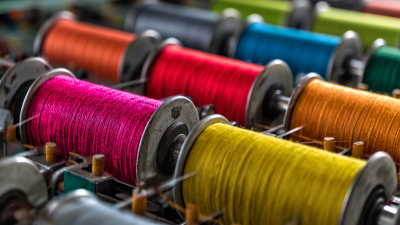
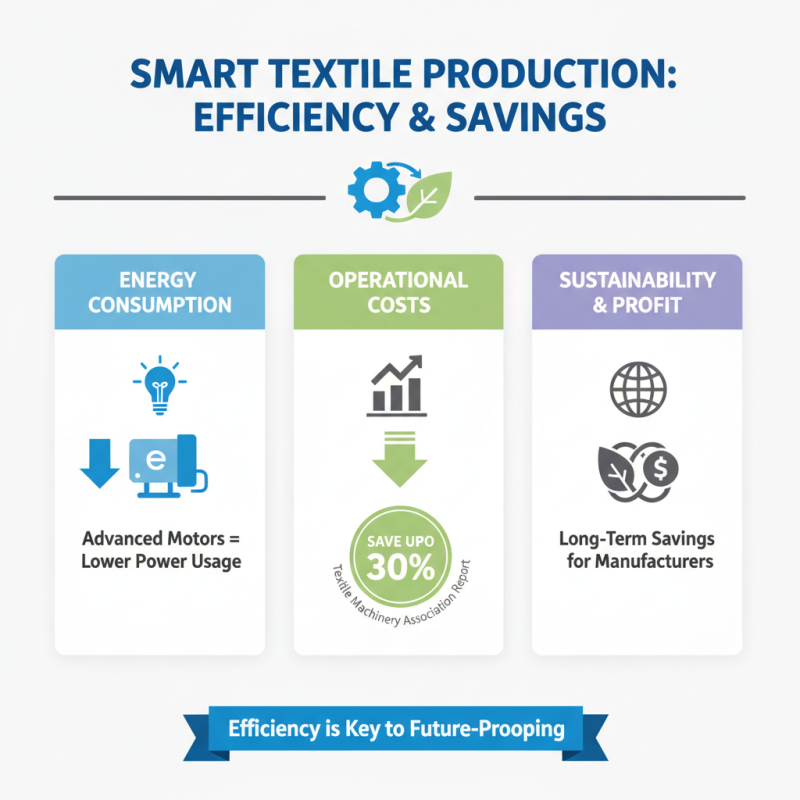
When selecting textile production machines, efficiency should be a primary focus. Energy consumption is a vital consideration. Machines that utilize advanced motors can operate at lower power levels without sacrificing productivity. According to a recent report by the Textile Machinery Association, energy-efficient machines can reduce operational costs by up to 30%. This statistic indicates substantial savings for manufacturers focused on long-term sustainability.
Flexibility in machine functions is equally important. Textile manufacturing often requires quick changes in setup. Machines designed for rapid adjustments can cut down downtime significantly. Research shows that leveraging adaptable technology can boost overall production efficiency by almost 20%. However, many manufacturers still struggle to adopt these versatile systems amid traditional practices.
A critical feature often overlooked is user-friendly interfaces. Operators should easily navigate and control machines. Complicated systems can lead to operator errors and increased training costs. An intuitive design can enhance operational efficiency and reduce the learning curve. By prioritizing these key features, textile manufacturers can improve production while addressing modern challenges in the industry.
The textile machinery market is evolving rapidly. Many brands are introducing advanced machines that boost efficiency. These innovations help manufacturers keep up with demand. Increasing productivity is crucial for success in the textile industry.
Different types of machines play unique roles. Some focus on weaving, while others specialize in dyeing or finishing. Production lines need a blend of speed and quality. Investing in modern equipment can improve overall output. However, not every brand achieves this balance. Some machines may produce high quality but work slowly.
Moreover, companies often face challenges in maintenance and training. Staff may require upskilling to operate new machinery effectively. Budget constraints can also limit choices. Thus, careful consideration of options is necessary. A solid plan is essential for integrating new machines into existing workflows.
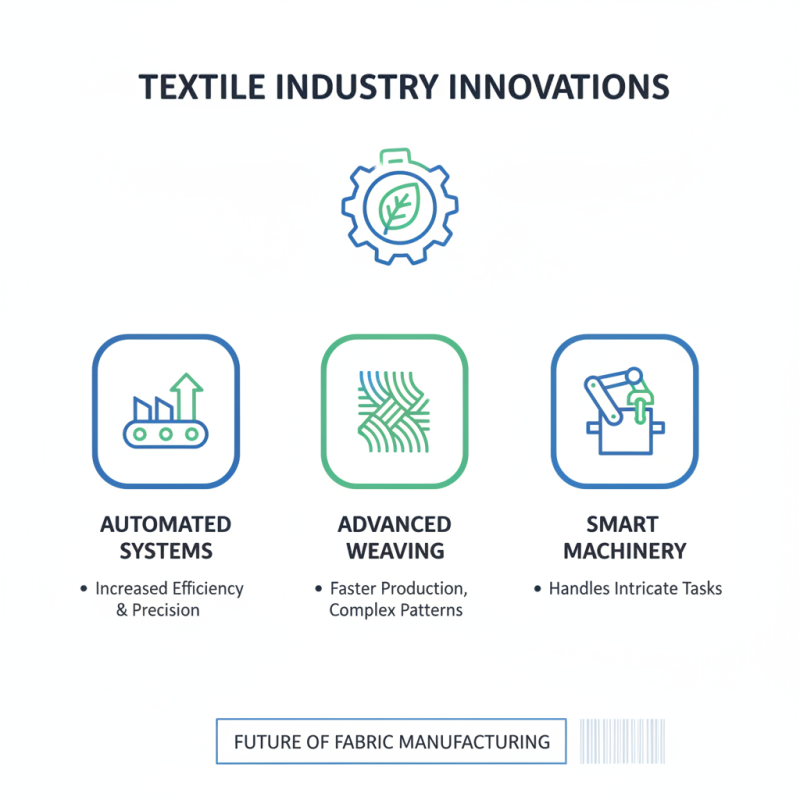
The textile industry is undergoing significant changes. Innovations in machinery are crucial for boosting production efficiency. Automated systems are becoming more common. These machines can handle complex tasks with precision. For example, advanced weaving technologies allow for faster manufacturing. They can create intricate patterns without sacrificing quality.
Sustainability is another focus area. New machines consume less energy and reduce waste. Some textiles can now be dyed with eco-friendly methods. This shift helps meet consumer demands for responsible production. However, these advancements come with challenges. Companies must train employees to use new technologies effectively. There is often resistance to change, which can hinder progress.
The integration of AI and IoT in textile machinery is notable. Smart devices provide real-time data for better decision-making. Yet, not all businesses can afford these upgrades. Smaller manufacturers may struggle to keep up. It raises a question about accessibility in the industry. Can efficiency truly be achieved if not everyone has access to these innovations?
In the evolving textile industry, implementation of advanced machines often drives efficiency. One prominent case involved a medium-sized factory adopting automated weaving machines. Initially, the transition faced resistance from skilled workers. They worried about job security and the machines' reliability. Nonetheless, management provided training sessions, easing concerns. Workers gradually embraced the technology, leading to a marked increase in production speed.
Another example comes from a dyeing facility. They struggled with inconsistent color outcomes. By integrating precision dyeing machines, they achieved consistent results. However, early trials revealed issues with water usage, raising concerns about sustainability. This prompted the team to adjust processes to minimize waste. This reflection led to a more eco-friendly approach, ultimately enhancing their market reputation.
These case studies highlight the importance of careful implementation. Technology can create efficiency, but the human element must not be overlooked. Balancing innovation with workforce support is essential. It’s a journey of learning and adapting to improve overall performance in the textile sector.