2026 Best Textile Processing Machines for Efficient Production?
In the competitive landscape of textile manufacturing, the right equipment makes a difference. The choice of a Textile Processing Machine can significantly impact production efficiency. With rapid advancements in technology, selecting the best machine demands careful consideration.
Some machines excel in speed but lack precision. Others may offer precision but compromise on output. In this evolving market, manufacturers must balance these factors to maximize productivity. Each machine has unique features, and understanding them is crucial for making informed decisions.
Inefficiencies in current processes may point to a need for upgrades. Investing in innovative Textile Processing Machines can transform production lines. However, not every option is suitable for every business. Companies must evaluate their specific needs and operational challenges to choose wisely. A machine’s capabilities should align with production goals to achieve optimal results.
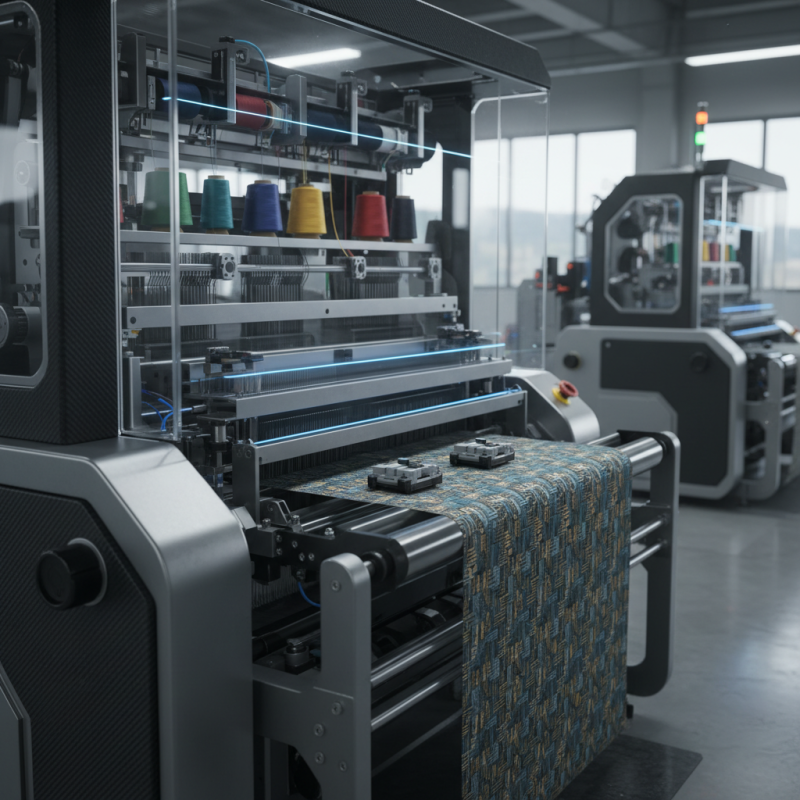
Latest Innovations in Textile Processing Machines for 2026
The textile industry is evolving rapidly. Innovations in textile processing machines are crucial for improving efficiency and reducing waste. According to recent reports, automation can enhance production speed by up to 30%. This efficiency is vital to meet the growing demand for sustainable fabrics.
One notable trend in 2026 is the integration of AI technology. Machines equipped with AI can analyze fabric patterns and quality in real time. This capability helps reduce errors and material waste. Reports indicate that companies adopting AI saw a 15% decrease in production costs. However, some businesses still struggle to implement these advanced systems effectively.
Smart fabrics are another area gaining traction. They adapt to environmental conditions, offering versatility in applications. The market for these smart textiles is projected to grow by 25% in the next few years. Yet, companies must address challenges related to production scalability and integration into existing systems. Addressing these gaps is essential for leveraging the full potential of innovative textile processing machines.
Key Features to Consider in Textile Processing Equipment
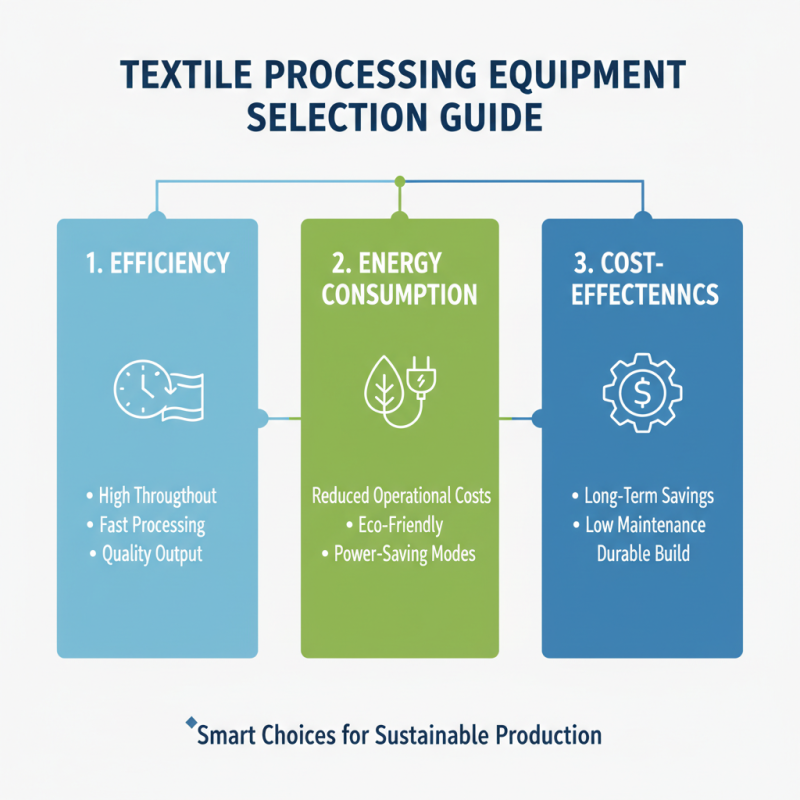
When selecting textile processing equipment, several key features deserve careful consideration. Efficiency stands out as a primary requirement. Machines that can quickly process fabrics save both time and resources. Look for models that offer high throughput rates without compromising quality. Energy consumption is another critical factor. Equipment that consumes less energy can significantly reduce operational costs over time.
Durability is equally important. The harsh environment of textile processing can lead to wear and tear. Choosing machines made from robust materials can minimize downtime for repairs. Furthermore, automated features are worth examining. Automation not only speeds up production but also enhances accuracy in processing tasks. It reduces the risk of human error, although initial setup can be complex.
Another aspect to weigh is adaptability. The ability to process different fabric types is essential for versatility. Not all machines can handle diverse materials effectively, leading to production limitations. Additionally, user-friendly interfaces can enhance productivity. Training staff on complex machinery can be time-consuming and costly. Ensuring ease of use can facilitate smoother operations. Overall, focusing on these features can lead to more efficient production outcomes.
Types of Textile Processing Machines and Their Applications
Textile processing machines play a crucial role in the production of fabrics. They are designed for various applications, each enhancing efficiency. Spinning machines, for instance, convert raw fibers into yarn. This process can be complex and challenging. Machine calibration must be precise for optimal results. Any slight error can lead to defects in the final product.
Dyeing machines are equally important. They ensure that fabrics achieve the desired colors evenly. However, managing temperature and chemical balance can be tricky. An improper mix affects color accuracy. Then there are weaving machines, which turn yarn into fabric. The speed and tension of the weaving process need continuous monitoring. Even a single broken thread can cause delays.
Finishing machines finalize the product. They apply treatments like softening or water repellency. Each step has its own hurdles. The process can be time-consuming. Regular maintenance is vital to prevent breakdowns. Even well-designed machines may face issues, leading to inefficiencies. Continuous assessment of these machines helps improve production quality over time.
Enhancing Production Efficiency with Smart Technology Solutions
The textile industry is evolving rapidly. Smart technology is at the forefront of this transformation. Automation and artificial intelligence enhance production efficiency. Machines now have advanced sensors and analytics capabilities, allowing for real-time monitoring. This leads to quicker adjustments during the manufacturing process.
Efficiency, however, doesn't come without challenges. Integrating these technologies can be complex. Workers may require training to operate new systems effectively. There might be resistance to change as well. Some factories may struggle to adopt these solutions, finding the transition disruptive. Addressing these concerns is vital for success.
Additionally, the initial costs of smart machines can be high. Companies might hesitate to invest without clear short-term returns. Making the wrong choice in technology could lead to wasted resources. Balancing innovation with practical applications is crucial in this sector. Embracing smart technology offers great potential, yet companies must navigate the accompanying obstacles wisely.
2026 Best Textile Processing Machines for Efficient Production
| Machine Type |
Efficiency Rating |
Technology Level |
Power Consumption (KW) |
Features |
| Automatic Spinning Machine |
95% |
Smart |
15 |
IoT Connectivity, Real-time Monitoring |
| Digital Printing Machine |
90% |
Advanced |
12 |
High-Speed Printing, Color Management |
| Fabric Inspection System |
88% |
Smart |
5 |
Automated Defect Detection |
| Cutting Machine |
92% |
Innovative |
10 |
CAD Integration, High Precision |
| Sewing Machine |
89% |
Standard |
8 |
Adaptive Tension Control |
Future Trends in Textile Processing for Sustainable Manufacturing
The textile industry is evolving.
Sustainable manufacturing is now at the forefront. This shift is necessary.
Consumers demand more eco-friendly options.
Companies must adapt quickly.
Future trends involve
automation.
Machines that reduce waste will be essential. Biodegradable materials are gaining popularity.
These innovations may lead to fewer harmful chemicals in production.
It’s crucial to consider energy efficiency.
Energy-intensive processes need reevaluation. Unexpected challenges could arise with new technologies.
Tips for a smooth transition: Invest in training.
Educate your workforce on new sustainable practices. Regularly assess your processes.
This helps identify areas for improvement. Collaboration is key.
Engaging with suppliers can foster innovation and shared goals.
Innovation is a journey, not a destination.
Reflection is necessary for growth. Embrace it.