China Best Textile Processing Machines for Global Buyers?
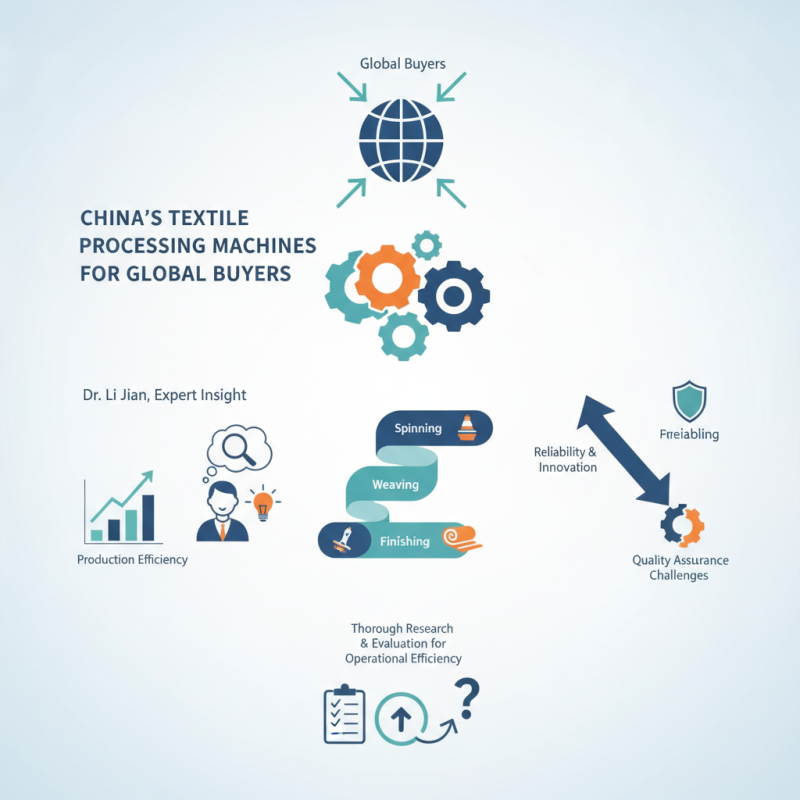
The global textile industry relies heavily on efficient textile processing machines. These machines play a crucial role in enhancing production capabilities and quality. According to Dr. Li Jian, a leading expert in textile engineering, “The right textile processing machine can transform production efficiency.” His insight reflects the growing demand for advanced equipment in this sector.
In recent years, China has emerged as a dominant player in manufacturing these machines. The variety of options available appeals to global buyers seeking reliability and innovation. With advancements in technology, these machines are designed to meet different production needs. That includes spinning, weaving, and finishing processes.
However, the landscape isn't without challenges. Quality assurance remains a crucial consideration. Buyers often encounter a mix of high-performing machines and subpar alternatives. It is vital for buyers to conduct thorough research and evaluation. The goal is to ensure they invest in reliable textile processing machines that boost operational efficiency. The journey toward finding the best solutions is ongoing, requiring adaptability and reflection.
China's Dominance in Textile Machine Manufacturing: An Overview
China has cemented its position as a powerhouse in textile machine manufacturing. In 2022, the country's textile machinery export value exceeded $5.5 billion, accounting for over 35% of the global market share. This impressive dominance is supported by advanced manufacturing techniques and a focus on innovation. Chinese manufacturers leverage modern technology, such as automation and artificial intelligence, to enhance efficiency and reduce production costs.
However, despite the growth, challenges remain. The sector faces increasing competition from countries like Germany and Japan, known for their precision engineering. Moreover, environmental concerns about sustainable production methods are becoming more pressing. Many buyers are seeking machines that minimize waste and energy consumption. This shift requires Chinese manufacturers to adapt rapidly and invest in greener technologies.
Industry reports highlight that while China's market presence is significant, ongoing investments in R&D are crucial. The need for higher quality and more versatile machines is evident. Keeping pace with changing global demands will be essential for sustaining market leadership. As buyers look for reliability and performance, the pressure is on Chinese manufacturers to deliver machines that not only meet but exceed international standards.
China's Textile Machine Manufacturing: Production Capacity by Category
Key Features of Top Textile Processing Machines from China
When considering textile processing machines from China, several key features stand out. These machines often incorporate advanced technology, leading to enhanced efficiency. For instance, automated cutting and sewing machines can reduce production time by up to 30%. This increases output and lowers labor costs, making them attractive to global buyers.
Energy efficiency is another critical aspect. Many modern machines are designed to consume less energy without compromising performance. Data shows that energy-efficient machines can lower operational costs by as much as 20%. Additionally, manufacturers are focusing on eco-friendly materials in machine construction, contributing to sustainability goals.
Buyers also prioritize versatility. Machines capable of handling various fabric types can expand production options. This versatility allows businesses to respond quickly to market demands. However, potential buyers should be cautious. Not all machines will meet their specific needs. A detailed assessment of machine specifications is essential before making any purchasing decisions.
China Best Textile Processing Machines for Global Buyers
| Machine Type |
Key Features |
Processing Capacity (kg/h) |
Power Requirement (kW) |
Price Range (USD) |
| Jet Dyeing Machine |
Energy-efficient, automatic color balance, and low water usage. |
150 |
50 |
$12,000 - $15,000 |
| Automatic Quilting Machine |
Multiple patterns, high speed, and computerized control. |
200 |
3 |
$8,000 - $12,000 |
| Digital Printing Machine |
High resolution, eco-friendly inks, and fast drying time. |
100 |
15 |
$20,000 - $25,000 |
| Embroidery Machine |
Multi-head, user-friendly interface, and customizable designs. |
80 |
2.5 |
$5,000 - $7,500 |
| Spinning Machine |
Higher yield, low noise, and easy maintenance. |
300 |
40 |
$15,000 - $20,000 |
Market Trends: Global Demand for Chinese Textile Machinery in 2023
The textile machinery market is witnessing significant growth, particularly for Chinese manufacturers. In 2023, global demand is rising due to innovation and quality. Countries are increasingly looking towards China for advanced textile processing machines. These machines are known for their efficiency and high output.
Current trends show that sustainability is vital in the textile industry. Buyers now seek machines that minimize waste and energy usage. This reflects a broader shift towards eco-friendly practices. However, some manufacturers struggle to adapt quickly to these changes. The gap between demand and innovation can be significant.
Moreover, the competitive landscape is evolving. Many regions develop their textile machinery industries, posing challenges. It prompts Chinese manufacturers to enhance their offerings continually. While Chinese machines are favored, buyers must carefully assess quality and service support. Balancing cost with reliability remains a common concern among textile producers globally.
Comparative Analysis: Chinese Textile Machines vs. Global Competitors
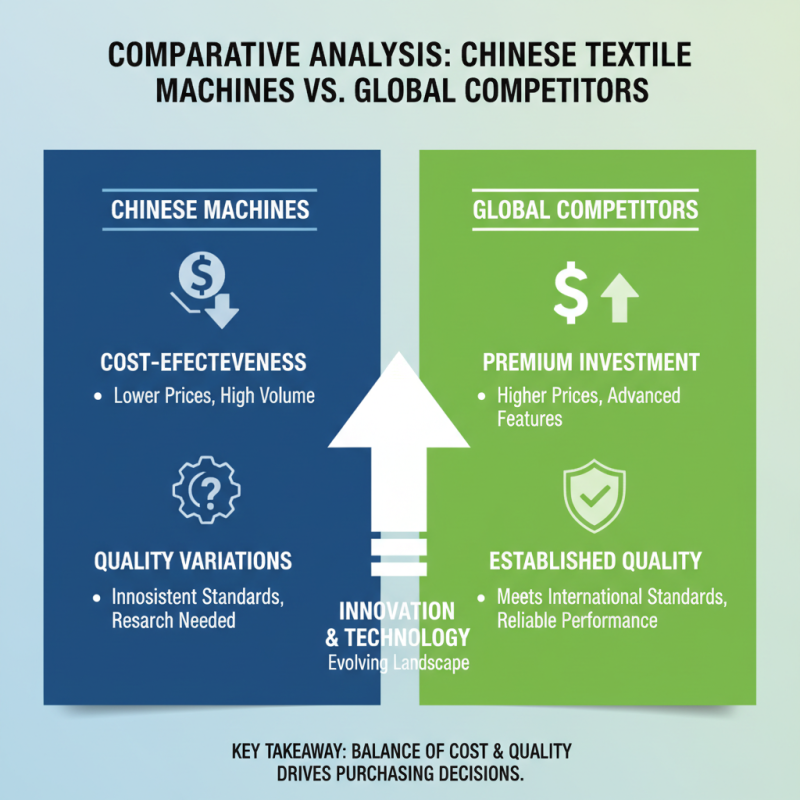
When comparing Chinese textile machines to global competitors, several factors come to light. Cost effectiveness is a standout feature of Chinese manufacturers. They often provide high-quality equipment at lower prices. This makes them a popular choice for many global buyers. However, quality variations can occur. Not all machines meet international standards, requiring diligent research before purchase.
Tips: Always seek user reviews and insights. They can provide valuable perspectives on machine performance. An informed decision is crucial for maximizing investment.
On the other hand, global competitors often offer advanced technology and superior after-sales service. They bring years of experience and innovation. Yet, this typically comes at a higher cost. Some buyers report that the initial savings with Chinese machines can lead to long-term benefits. Maintenance and operational efficiency can offset initial investment.
Tips: Compare warranty options and support services. A well-rounded approach ensures long-term satisfaction. Being aware of potential trade-offs is essential for success in the textile industry.
Innovations in Chinese Textile Technology: Driving Efficiency and Sustainability
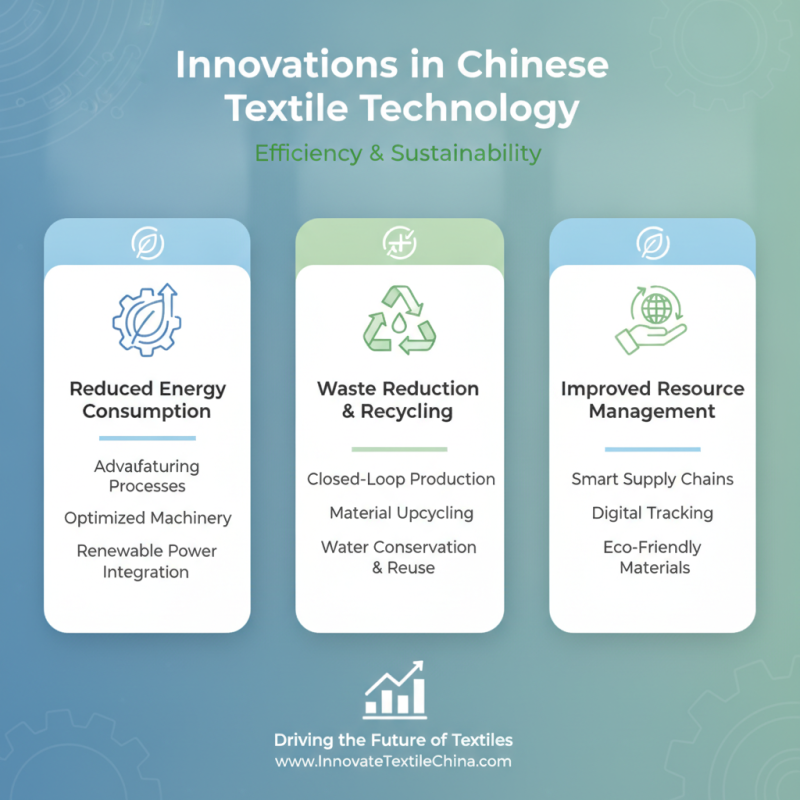
The textile industry in China is experiencing groundbreaking changes. Innovations are enhancing efficiency and promoting sustainability. New technologies are being developed to reduce energy consumption during production. These advancements aim to lower waste and improve resource management.
Automated systems play a crucial role in this transformation. They streamline manufacturing processes, reducing the need for manual labor. This shift may lead to job displacement, but it significantly boosts productivity. Moreover, intelligent machinery can adapt to various materials, enhancing versatility in production.
Sustainability remains a challenge. While many companies embrace eco-friendly practices, some still struggle to implement them effectively. The industry must address these gaps to align with global environmental standards. It’s a complex journey, but the path towards greener textile production is becoming clearer.