How to Choose the Best Textile Dryer Machine for Your Business?
Choosing the right Textile Dryer Machine can significantly impact your business efficiency and product quality. With many options available, business owners may feel overwhelmed. It is essential to understand some key factors to make an informed decision.
The right Textile Dryer Machine is more than just a tool; it is an investment. Consider the drying capacity, energy efficiency, and the types of fabrics you usually handle. Smaller operations may need different features compared to larger ones. Each textile business has its unique requirements, which should guide your choice.
As you search for the ideal machine, reflect on your current operations. Are you facing delays? Is fabric quality consistently meeting your standards? A good dryer machine can resolve these issues, but the wrong choice may lead to wasted resources and time. Take your time, gather information, and consult with experts to find a machine that suits your specific needs.
Understanding Your Business's Textile Drying Needs
When selecting a textile dryer machine, it’s crucial to understand your specific drying needs. Every business is unique, and factors such as fabric type, volume, and drying time are pivotal. For instance, delicate fabrics might require gentler drying settings. Knowing this ensures you choose a machine that enhances efficiency and protects your textiles.
Here are some tips to consider. Assess your workload carefully. Are you drying heavy-duty items or lighter materials? This distinction can guide you in selecting the right capacity. Additionally, think about the available space. Not all machines fit well in every facility. Measure your area before making a choice.
It’s also helpful to engage with industry experts. Their insights can uncover nuances you may overlook. Personal experiences shared in forums can introduce real-life challenges associated with different dryer machines. Take time to reflect on these discussions and adjust your options accordingly. A machine that works well for one business might not suit another. Be ready to explore various solutions.
Comparison of Textile Dryer Machine Types Based on Drying Capacity
This bar chart illustrates the drying capacities of various types of textile dryer machines typically considered for business use. Understanding the capacity requirements helps in selecting the best machine for efficient textile drying operations.
Types of Textile Dryer Machines and Their Applications
When selecting a textile dryer machine, understanding the various types is crucial. Industrial dryers are available in several forms, each serving distinct applications. For example, tumbler dryers are widely used in laundries. They efficiently dry fabrics through a rotating drum that circulates hot air. This method is effective for items like towels and uniforms, producing consistent results.
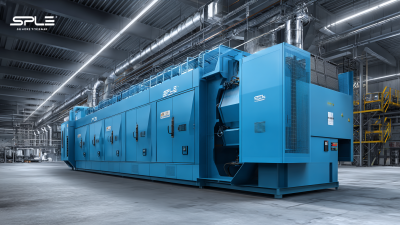
On the other hand, conveyor dryers are ideal for larger operations. They use a continuous belt system to pass garments through hot air, which reduces drying time significantly. These units are often employed in factories where high volume is essential. However, they can be less flexible with fabric types compared to tumbler dryers.
Some businesses might benefit from batch dryers. These are suitable for specialized textiles that require careful heat management. Yet, operators must monitor these machines closely to prevent damage to delicate materials. Understanding these options helps make an informed decision. It’s important to consider the specific needs of your operation and the characteristics of the textiles you handle. Each drying method has its advantages and challenges, worth evaluating carefully.
Key Features to Consider When Selecting a Textile Dryer
When selecting a textile dryer machine, key features play a crucial role in ensuring efficiency and quality. One of the primary considerations is drying capacity. According to the American Institute for Textile Technology, businesses should match dryer capacity with processing volume. A dryer that is too small can lead to bottlenecks, while an oversized machine may waste energy. An ideal drying operation achieves optimal throughput and minimizes energy costs.
Energy efficiency is another critical factor. The U.S. Department of Energy reports that efficient dryers can reduce energy consumption by up to 20%. Look for machines with features such as modular heating systems and advanced control technology. These features allow for better temperature regulation, ensuring textiles are dried uniformly. A dryer that consumes less energy not only lowers operational costs but also enhances sustainability—a growing concern in the textile industry.
Lastly, consider the material durability and ease of maintenance. High-quality machines often feature corrosion-resistant materials and easy-access components for repairs. This reduces downtime and ensures longer operational life. Feedback from various textile operations indicates that investing in robust dryer systems often pays off in the long run through increased reliability and lower maintenance costs.
How to Choose the Best Textile Dryer Machine for Your Business? - Key Features to Consider When Selecting a Textile Dryer
| Feature |
Description |
Importance |
Average Price Range |
| Drying Capacity |
Amount of textiles that can be dried at one time. |
High |
$2,000 - $10,000 |
| Energy Efficiency |
Rating indicating energy consumption and efficiency. |
High |
$2,500 - $12,000 |
| Drying Technology |
Type of technology used, e.g., convection, conduction, or microwave. |
Medium |
$3,000 - $15,000 |
| Control System |
Ease of use and programmability of controls. |
Medium |
$1,500 - $8,000 |
| Build Quality |
Durability and materials used in construction. |
High |
$2,000 - $10,000 |
| Size and Footprint |
Physical dimensions and space required for installation. |
Medium |
$1,000 - $5,000 |
| Maintenance Requirements |
Frequency and complexity of maintenance needed. |
Medium |
$500 - $2,500 |
Cost Analysis: Budgeting for a Textile Dryer Investment
Investing in a textile dryer machine requires a solid cost analysis. Start by identifying your business needs. Consider the capacity of the machine. Will it handle your current volume? Analyze if it can grow with your business. A dryer that meets your needs today may fall short tomorrow.
Next, examine the costs involved. Look beyond the purchase price. Include installation fees, maintenance costs, and energy consumption. Sometimes cheaper machines lead to higher operational costs. Evaluate warranties and customer support as well. This can save you money in the long run.
It's also important to assess financing options. Do you require a loan, or can the purchase be made outright? Understand the potential return on investment. Will the dryer improve your efficiency and profit margins? Reflecting on these aspects can help clarify your budget. A well-planned investment can enhance your business's productivity significantly.
Maintenance and Durability Considerations in Textile Dryers
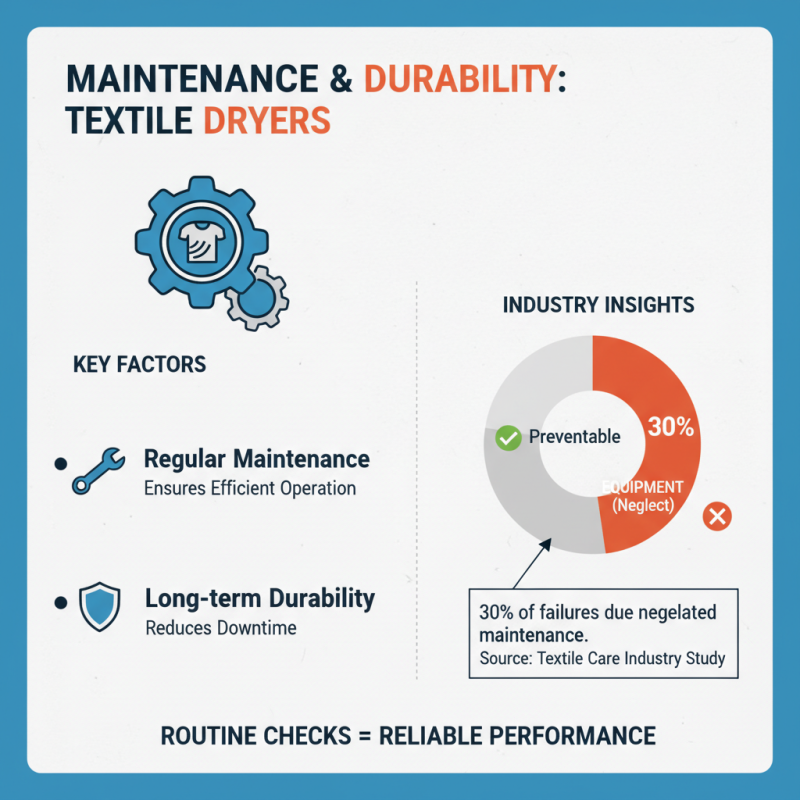
When selecting a textile dryer machine, maintenance and durability are crucial factors. Regular maintenance ensures machines operate efficiently. According to a study from the Textile Care Industry, about 30% of equipment failures result from neglecting maintenance. This highlights the significance of routine checks and timely repairs.
Durability is not merely about the materials used. It involves understanding the machine's workload capacity. Reports indicate that dryers with a higher initial cost may offer improved durability, leading to lower long-term operational costs. For instance, machines designed to handle heavy loads typically perform better over time compared to budget models.
There can be challenges with maintenance schedules. Too often, businesses delay servicing due to operational demands. This can result in decreased efficiency and increased energy consumption. Not addressing wear and tear can lead to significant downtime. In textiles, where time is money, this could pose serious drawbacks. Balancing immediate needs with long-term maintenance is essential for sustainable growth.