How to Choose the Best Textile Fabric Machine for Your Needs?
Choosing a suitable Textile Fabric Machine is vital for any textile business. Industry expert Dr. Emily Titus states, "The right machine can enhance productivity and quality." This highlights the importance of making an informed decision.
When selecting a Textile Fabric Machine, consider your specific needs. Features like efficiency, versatility, and ease of use should guide your choice. Each machine has its strengths and weaknesses. Therefore, understanding the materials you plan to work with is essential.
Many businesses overlook maintenance and support when purchasing. This can lead to downtime and increased costs. Additionally, always inquire about warranty options. A reliable machine can make a significant difference in the long run. Ultimately, selecting the right Textile Fabric Machine requires careful consideration and research.
Understanding Different Types of Textile Fabric Machines for Various Needs
Choosing the right textile fabric machine can seem daunting. Understanding the types available is essential. According to a report by the International Textile Manufacturers Federation (ITMF), the global textile machinery market is projected to reach $25 billion by 2025. This growth reflects the diversity of machines available today.
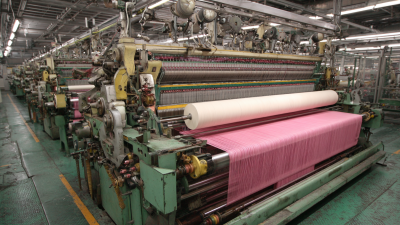
There are several types of textile fabric machines to consider. Weaving machines, like rapier and air-jet looms, are ideal for producing complex patterns. Knitting machines, on the other hand, excel in creating stretchable fabrics. The choice depends on the end use of the fabric and production volume. Technical fabrics, which account for nearly 30% of textile usage according to recent industry statistics, require specialized machines for proper manufacturing.
When selecting a machine, avoid common pitfalls. One oversight is neglecting the machine's compatibility with your materials. Different machines handle various fibers in distinct ways. Additionally, maintenance needs differ widely. Some machines might demand frequent servicing, while others have lower upkeep requirements. Researching these aspects is crucial for a worthwhile investment. Remember, a machine that seems perfect on paper may not meet your real-world production needs.
Popular Types of Textile Fabric Machines
This chart displays the popularity of different types of textile fabric machines based on units sold. Understanding which machines are most commonly used can help you choose the right one for your needs.
Key Factors to Consider When Selecting a Textile Fabric Machine
Choosing the right textile fabric machine is crucial for your projects. Consider the fabric types you work with. Different machines excel at various materials. For example, some are better for lightweight fabrics, while others handle heavy textiles. Pay attention to the machine's specifications. Look for needle types, stitch options, and speed capabilities. These features directly affect your production quality.
Assess your workspace and budget as well. A compact machine may suit smaller areas, but larger units often provide better performance. Maintenance should also be a priority. Some machines require regular servicing, which can add costs. Researching online reviews helps gauge reliability and user satisfaction. Customer experiences often highlight hidden issues.
Don't overlook the learning curve involved. Familiarity with the machine will take time and practice. Some users find specific features challenging, impacting productivity. Reflection on past selections can guide future choices. Evaluate what worked and what didn't. This thoughtful approach ensures you select a machine that truly meets your needs.
Evaluating Machine Specifications and Performance Metrics
When selecting a textile fabric machine, evaluating machine specifications and performance metrics is crucial. Key specifications include the machine's speed, stitch length, and fabric compatibility. According to a 2022 report by the Textile Machinery Society, machines with adjustable speeds can enhance productivity by 30% in large-scale operations. The ability to handle multiple fabric types is also vital, as diverse materials require different settings for optimal results.
Tips: Look for machines that offer precise control over stitch length. A consistent stitch length ensures uniformity in production. Check how easily the machine adapts to fabric changes. A quick switch system can significantly reduce downtime.
Performance metrics, including maintenance frequency and energy efficiency, should also be factored in. Data shows that machines with lower energy consumption can reduce operational costs by up to 25%. Additionally, units requiring less frequent maintenance tend to have longer lifespans, making them a reliable investment. Reflecting on these aspects can help identify potential drawbacks. While a machine may have excellent specs, issues like high energy use or complicated maintenance can offset benefits.
Analyzing Cost-Effectiveness and ROI in Fabric Machine Purchases
When considering the purchase of a textile fabric machine, analyzing
cost-effectiveness and return on investment (ROI)
is crucial. A recent industry report states that businesses can experience ROI as high as 30% when selecting the right machine. This figure illustrates the potential impact on a company's bottom line.
However, many fail to evaluate long-term costs, including
maintenance and operational efficiency, which often leads to overspending.
One key aspect is the initial investment versus ongoing expenses. Reports indicate that cheaper machines often incur higher maintenance costs and downtime, which can erode savings. Investing in a more expensive, reliable machine may seem daunting—but it can yield greater productivity.
In a 2022 study, over 60% of manufacturers noted that reliability and durability played significant roles in their purchasing decisions.
Moreover, understanding energy consumption is vital. Energy-efficient machines can reduce utility bills by up to 25%. Yet, some operators overlook this when calculating total costs.
Keeping track of these factors will ensure that your fabric machine choice aligns with both financial and operational goals.
Balancing upfront costs with long-term savings is essential for making a wise investment.
Exploring Industry Trends and Innovations in Textile Fabric Technology
The textile industry is evolving rapidly, and understanding current trends is essential. Innovations in textile fabric technology focus on sustainability and efficiency. Manufacturers are increasingly integrating eco-friendly materials into their production lines. This shift not only reduces environmental impact but also appeals to consumers seeking responsible options.
Automation is another key trend. Advanced machinery now allows for greater precision and speed. However, this reliance on technology raises concerns about the loss of traditional skills. Balancing innovation with craftsmanship can be challenging yet necessary. Many companies are experimenting with smart textiles, which incorporate sensors and technology. This trend could revolutionize functionality but poses issues regarding production costs and complexity.
It's vital to remain informed and adaptable. While new technologies can streamline processes, they may not suit all businesses. Each company must evaluate its unique needs. Decisions should reflect the company’s goals and capabilities. An overly ambitious integration of high-tech solutions could lead to operational complications. Flexibility in adapting to trends will ultimately determine long-term success.