How to Choose the Best Automatic Nonwoven Equipment?
Choosing the right Automatic Nonwoven Equipment is crucial for businesses in the nonwoven fabric industry. This equipment plays a key role in production efficiency and product quality. Selecting the best option can seem overwhelming due to the variety of machines available. Each type has its unique features and potential drawbacks.
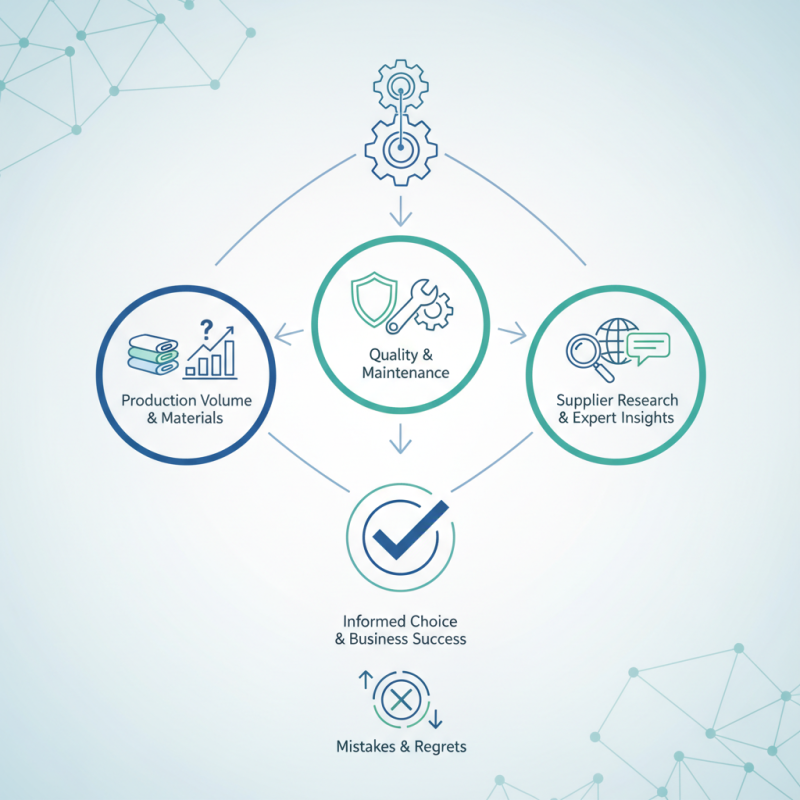
Understanding specific needs is essential before making a decision. What is the production volume? What materials will be used? These questions can help narrow down options. Quality matters, but it’s also important to consider long-term reliability and maintenance. Choosing lower-quality equipment may lead to issues down the line.
Investing in Automatic Nonwoven Equipment can significantly impact a business's success. However, mistakes can happen, and not all choices lead to the expected outcomes. Researching suppliers and reading reviews can guide you to a dependable manufacturer. Engaging with industry experts and peers can provide insights that sales brochures often overlook. Ensure you make informed choices to avoid future regrets.
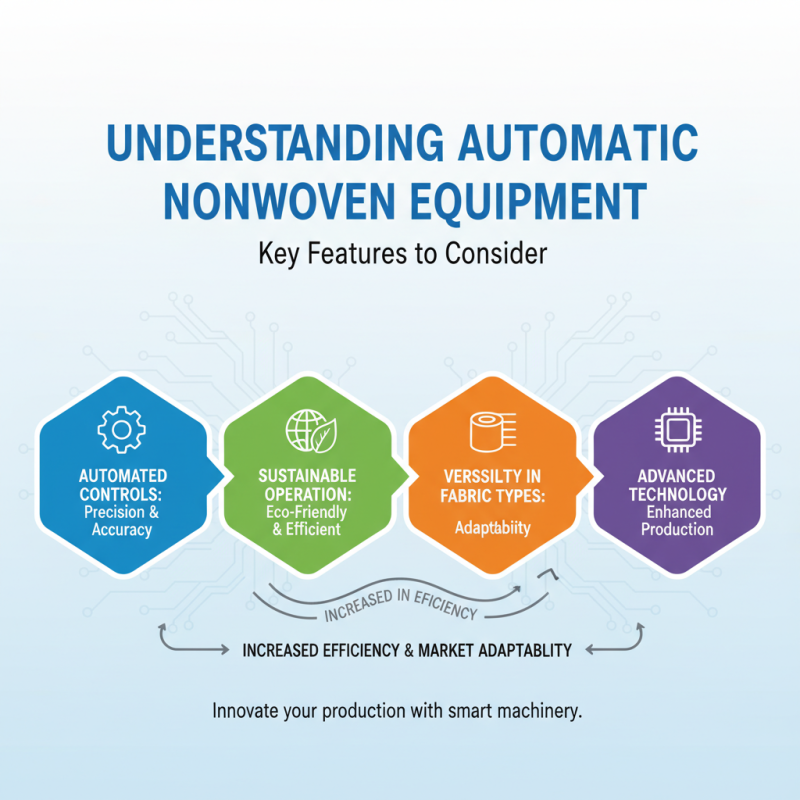
Understanding Automatic Nonwoven Equipment: Key Features to Consider
When choosing automatic nonwoven equipment, understanding its key features is essential. These machines leverage advanced technology to enhance production efficiency. They often include automated controls for better accuracy in material formation. Features like versatility in fabric types and sustainable operation are vital considerations. A machine capable of handling various materials can adapt to changing market demands.
Another aspect to reflect on is the ease of maintenance. Automatic equipment should be user-friendly to allow quick repairs. Complex machines can cause delays if issues arise. Additionally, energy consumption is a major factor. Opting for energy-efficient models not only helps the environment but also reduces operational costs. Think about the long-term implications of your choice.
Remember, researching the latest innovations can guide your decision. Explore reviews from other users. Insights from experienced professionals can reveal hidden advantages or drawbacks of specific models. Balance your needs with what's available on the market. It’s important to ask questions and seek expert advice. The right equipment should align with your production goals and capacity requirements.
Assessing Production Capacity and Efficiency for Your Needs
When assessing production capacity for automatic nonwoven equipment, focus on your unique needs. Identify the volume of materials you will process daily. This will greatly affect your choice of equipment. A machine's speed, measured in meters per minute, is essential for productivity. Customizing your equipment to match your production goals can drive efficiency.
Tips: Consider the potential for future growth. A machine that meets current needs might fall short as demand increases. Regular monitoring of machine performance helps in fine-tuning operations. Keep a log of output to see if adjustments are necessary.
Evaluate the complexity of the production process. Some systems can handle multiple materials, while others are limited. Flexibility can be a game changer. An equipment that adapts to various tasks may be more beneficial in the long run. Using less efficient technology may limit your options. Don’t rush the selection process; thorough assessment is crucial for long-term success.
Evaluating Material Compatibility and Versatility of Equipment
When choosing automatic nonwoven equipment, evaluating material compatibility is crucial. Different nonwoven fabrics require specific machinery settings. For example, spunmelt, carded, and needle-punched fabrics each have unique requirements. According to a recent industry report by Smith & Associates, 75% of production issues stem from equipment incompatibility with materials. This statistic underlines the importance of selecting the right equipment based on fabric types to minimize downtime and optimize productivity.
Versatility of the equipment is another key factor. Equipment that can adapt to various materials offers more production flexibility. A survey conducted by the Nonwoven Innovation Alliance revealed that companies using versatile equipment reported a 15% increase in operational efficiency. However, not all machinery can accommodate diverse materials equally well. Some machines struggle with thicker or denser fabrics, leading to increased wear and tear over time. This trade-off needs careful consideration when evaluating potential purchases. The right balance between compatibility and versatility will ultimately determine the efficiency of nonwoven production processes.
Examining Maintenance Requirements and Durability of Machines
When selecting automatic nonwoven equipment, evaluating maintenance requirements is crucial. Regular maintenance ensures optimal performance and durability of the machines. According to a recent industry report, proper maintenance can extend the lifespan of equipment by up to 30%. This statistic underscores the importance of adhering to manufacturers' guidelines.
Tips: Schedule routine inspections. Regular checks can identify wear and tear early. Keep a detailed maintenance log for all machines.
Durability often depends on the materials used in construction. Equipment made from high-quality components tends to be more resilient against stress and environmental factors. Reports indicate that robust equipment can often withstand higher operational loads, which minimizes downtime. However, it's also essential to consider the balance between cost and durability. Sometimes, higher initial investments in durable machines yield better long-term savings.
Tips: Research typical failure rates. Understanding potential issues can help in choosing the right machine.
Reviewing user experiences is another way to gauge durability. Collect data on common maintenance issues to make informed decisions. While some machines may offer advanced features, a simpler design might mean fewer technical problems. Ultimately, practical insights often lead to smarter choices when investing in nonwoven equipment.
Comparing Costs and Return on Investment for Nonwoven Equipment
When evaluating automatic nonwoven equipment, cost and return on investment (ROI) are critical factors. Initial costs can vary significantly. The equipment you choose should not only fit your budget but also match your production needs. Costs extend beyond the purchase price. Consider installation, maintenance, and operational expenses. Calculating these inputs accurately is essential for overall financial planning.
ROI analysis requires more than simple math. Assess potential production output and quality. Higher quality may lead to better market positioning. Analyze production rates against operational expenditures. Additionally, data on downtime can illuminate hidden costs. Reflecting on projected growth can help refine ROI estimates. Many businesses overlook these factors, which can skew financial projections.
Investing in technology brings risks. Equipment may become outdated quickly. Market demands shift rapidly, affecting long-term profitability. It's vital to remain flexible. Explore options that allow upgrades without significant financial burden. This adaptability can enhance ROI over time. Always keep learning. Industry trends can provide insights into future needs. Regular assessments ensure your equipment remains a valuable asset.
How to Choose the Best Automatic Nonwoven Equipment? - Comparing Costs and Return on Investment for Nonwoven Equipment
| Equipment Type |
Initial Cost (USD) |
Annual Operating Cost (USD) |
Lifetime (Years) |
Expected Output (Tons/Year) |
ROI (%) |
| High-Speed Spunbond |
250,000 |
30,000 |
10 |
500 |
200% |
| SMS Nonwoven Machine |
300,000 |
45,000 |
8 |
400 |
180% |
| Airlaid Nonwoven Machine |
180,000 |
25,000 |
6 |
300 |
150% |
| Thermal Bond Nonwoven Machine |
220,000 |
35,000 |
9 |
450 |
190% |