How to Choose the Best Ring Spinning Machine for Your Needs?
Choosing the right Ring Spinning Machine is crucial for your textile production. The market offers various options, each with unique features and specifications. A suitable machine can enhance efficiency and improve product quality.
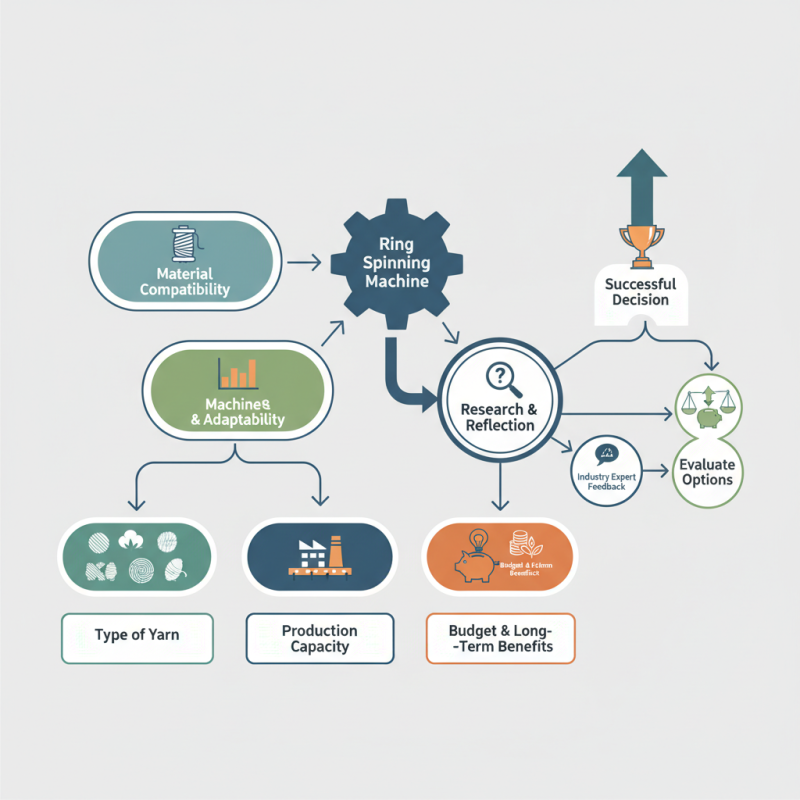
Consider your specific needs before making a decision. Think about the type of yarn you want to produce. Different machines excel in different materials. Also, check the machine's capacity and adaptability. Some machines may not meet your production demands.
Keep in mind, this choice is not easy. It's essential to research and reflect on your options. Seek feedback from industry experts. Evaluate your budget and the machine's long-term benefits. A thoughtful decision today can lead to success in the future.
Understanding the Basics of Ring Spinning Machines
Ring spinning machines play a crucial role in the textile industry. They are used for spinning yarns from fibers. Understanding these machines is important to choose the right one. The basic functionality involves drafting, twisting, and winding fibers into yarns. Each step has its own intricacies.
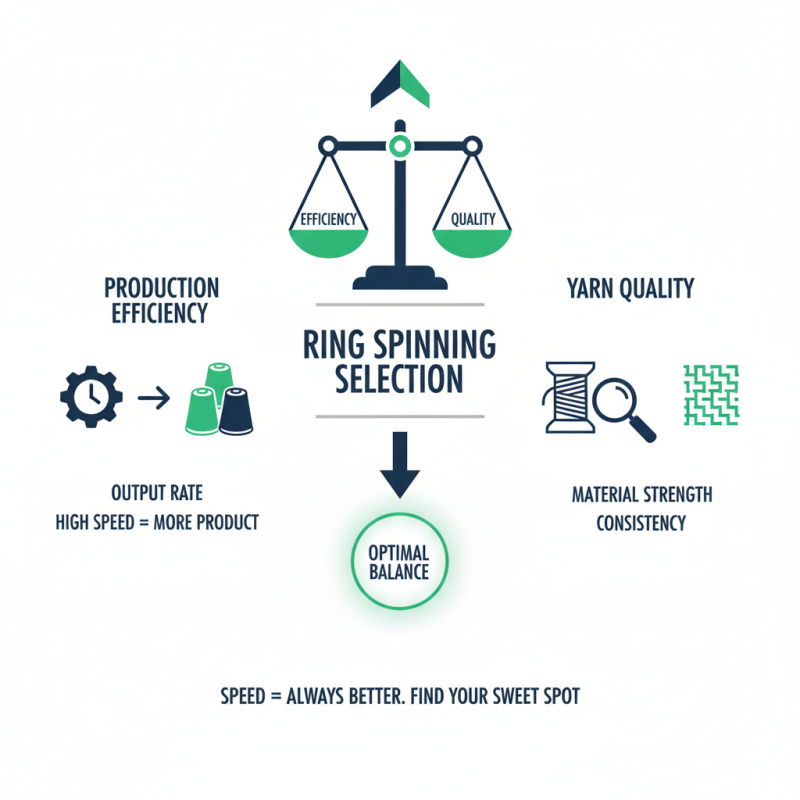
When selecting a ring spinning machine, consider the yarn type you want to produce. Different machines may cater to specific yarn counts. Performance metrics like speed and efficiency are key factors. However, while a higher speed can produce more yarn, it might affect the quality. Balancing these aspects requires careful thought.
Regular maintenance is also essential. Neglecting this can lead to downtime and increased costs. Operators need to be trained well. Their expertise can significantly influence machine performance. Sometimes, even with skilled operators, issues arise unexpectedly. Reflecting on past experiences can offer insights for future selections. A thoughtful approach will lead to a better choice.
Key Factors to Consider When Selecting a Ring Spinning Machine
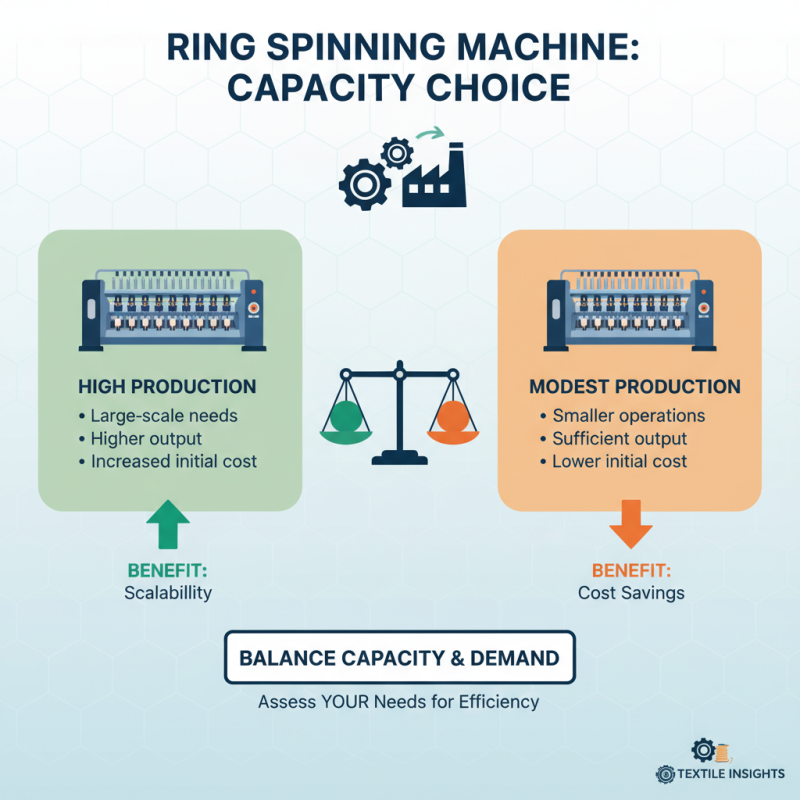
When choosing a ring spinning machine, consider the production capacity. Assess how much yarn you need for your operations. A machine with a higher output can be beneficial. However, it may not be necessary if your demand is modest. This balance is essential. A smaller machine might suffice, saving initial costs.
Evaluate the technology and features of each machine. Some come with advanced automation, while others are more manual. Automation can enhance efficiency, but it may also complicate maintenance. Reflect on your team’s skill level. A complex system requires trained operators. On the other hand, simpler machines are easier to manage but might lack some modern capabilities.
Don't overlook energy efficiency. Machines can consume a lot of power, impacting your operational costs. Look for options with energy-saving features. This choice can lead to long-term savings. Also, consider the after-sales service offered. Are replacement parts readily available? What about technical support? These factors significantly affect your operational smoothness. Balancing these aspects is crucial in making a wise choice.
Comparing Different Brands and Models of Ring Spinning Machines
When selecting a ring spinning machine, comparing brands and models is crucial. Various manufacturers offer different features, which can affect performance and efficiency. For example, newer models may provide enhanced automation. This improvement can lead to increased productivity and reduced labor costs. According to industry data, optimizing spinning processes can enhance output by up to 15%.
Each brand has its strengths and weaknesses. Some models may excel in yarn quality, while others might focus on energy consumption. Businesses should consider their specific needs. Are you prioritizing speed or quality? A mismatch can lead to inefficiencies. Around 30% of spinning mills report that improper machine selection results in increased downtime and maintenance costs.
Another aspect is ease of use. Simpler machines may require less training. But, advanced features could lead to better outcomes. A study revealed that operators typically face challenges with complex settings. This complexity may hinder production goals. Thus, it’s essential to strike a balance between technology and usability.
Choosing the right machine is a multifaceted decision, demanding careful consideration of available options.
Evaluating Production Efficiency and Cost-effectiveness
When selecting a ring spinning machine, production efficiency is crucial. It directly impacts your operations and profitability. Look closely at the machine's output rate. A higher production speed can lead to more finished products. However, quality must also be considered. Sometimes, faster isn't better. Machines that produce too quickly might sacrifice yarn quality. You need to strike a balance.
Consider energy consumption as well. Efficient machines can save costs over time. Machines that use less power still maintain high production levels are ideal. Research and understand the energy ratings of different machines. Moreover, assess the maintenance requirements. Machines requiring frequent maintenance can slow down operations. The hidden costs might add up quickly.
Also, keep an eye on the initial investment. A cheaper machine might look appealing, but it could lead to high operational costs later. Be wary of low prices that seem too good to be true. In some cases, they are. Ensure you are investing wisely for long-term benefits. Each detail matters, from the choice of materials to the design efficiency. Reflect on what fits best for your unique situation.
Maintenance and Support Options for Ring Spinning Machines
Maintenance is a critical factor when selecting a ring spinning machine. Regular care ensures longevity and optimal performance. A 2022 industry report noted that neglecting maintenance can reduce a machine's lifespan by up to 30%. Therefore, understanding maintenance needs is crucial.
Support options vary widely in the industry. Some manufacturers offer comprehensive service packages. Others provide limited assistance, which may lead to downtime. Data indicates that companies investing in robust support options experience 15% fewer operational disruptions. This highlights the importance of evaluating available support before finalizing a purchase.
Moreover, consider training for your team. A lack of training can lead to misoperations and increased wear. A survey revealed that 40% of users experienced issues due to inadequate training. Investing in proper training can mitigate these risks and enhance machine efficiency. Without doubt, thoughtful consideration of maintenance and support can determine the success of your spinning operations.