How to Choose the Best Water Jet Machine for Textile Industry?
The textile industry plays a crucial role in the global economy. According to a report by Market Research Future, the global textile market is projected to reach USD 1,300 billion by 2025, highlighting the growing demand for efficient manufacturing processes. In this context, choosing the right water jet machine for textile applications is vital for production efficiency.
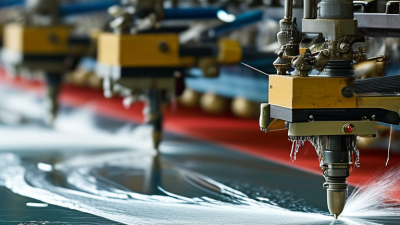
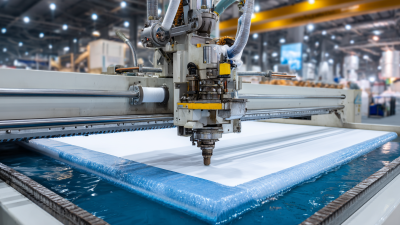
Water jet machine textile applications utilize high-pressure water streams to cut fabrics with precision. This method is preferred in the industry for its ability to produce clean cuts without fraying or damaging the materials. However, selecting the best machine requires a deep understanding of specific needs, such as material type and thickness. Quality and reliability are essential to avoid costly downtime during production.
While advancements have been made, it is essential to acknowledge that not all machines will meet every need. The diversity in fabric types can pose challenges. Factors such as energy consumption and maintenance costs also demand careful consideration. Ultimately, a thoughtful choice in a water jet machine can significantly impact productivity and operational costs in the textile sector.
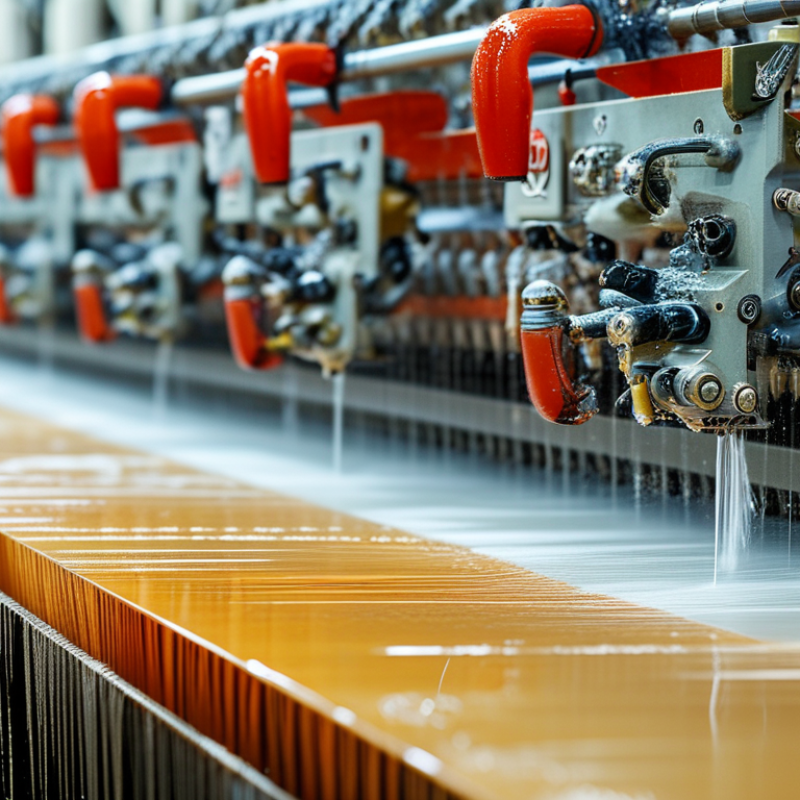
Understanding the Basics of Water Jet Cutting Technology
Water jet cutting technology is revolutionizing the textile industry. This method utilizes high-pressure water streams to cut through various materials with precision. The process minimizes fabric fraying, a common issue with traditional cutting methods. As per a report from the Waterjet Technology Association, water jet cutting can reduce waste by up to 30%, making it a sustainable choice for textile manufacturers.
When selecting a water jet machine, consider the type of textiles you work with. Different fabrics react differently to cutting methods, influencing the choice of cutting pressure and nozzle type. For instance, delicate fabrics may require lower pressures to avoid damaging the material. A balance between speed and quality is crucial, as faster cutting speeds can lead to inaccuracies.
Monitoring equipment maintenance is essential. Regular checks ensure the reliability of the machine, allowing for consistent output. Unmaintained machinery can result in unexpected downtimes. Investing in a quality water jet machine may require a higher initial cost, but the long-term savings on material and labor are substantial. Understanding your specific cutting needs will guide you to the best choice for efficiency and quality in your textile production.
Water Jet Machine Performance in Textile Industry
Key Factors to Consider When Selecting a Water Jet Machine
When selecting a water jet machine for the textile industry, certain key factors are crucial. The size and versatility of the machine play significant roles. A larger machine may handle bigger projects and various materials, but it might also require more space. Meanwhile, a compact design could be more suitable for smaller operations. It's vital to assess your production needs first.
The water jet's cutting speeds are another essential consideration. Faster cutting can improve productivity but may compromise precision if the machine lacks advanced capabilities. Check the machine's ability to handle intricate designs. Some machines can cut through multiple textile layers with ease, while others may struggle with complex patterns. Ensure the machine's specifications align with your design requirements.
The initial cost is often a driving factor. While a higher investment might seem daunting, evaluating the long-term benefits is important. Maintenance costs, energy consumption, and operational efficiency also need to be examined. Don’t forget to consider available support and training from the manufacturer. Sometimes, the lack of adequate technical support can lead to operational setbacks. Reflect on what best aligns with your business objectives before making a decision.
How to Choose the Best Water Jet Machine for Textile Industry? - Key Factors to Consider When Selecting a Water Jet Machine
| Factor |
Description |
Importance Level |
| Cutting Speed |
The rate at which the machine can cut through materials. |
High |
| Water Pressure |
The level of pressure used to perform cutting operations. |
Critical |
| Pump Type |
Different types of pumps (e.g., direct drive vs. intensifier). |
Moderate |
| Material Compatibility |
Suitability for various textile materials. |
High |
| Maintenance Requirements |
Frequency and ease of maintenance tasks. |
Moderate |
| Software & Control |
Ease of use and functionality of the controlling software. |
High |
| Cost |
Initial investment and ongoing operational costs. |
Critical |
| Precision |
Accuracy of the cuts made by the machine. |
High |
| After-Sales Support |
Availability of technical support and spare parts. |
Moderate |
Comparing Water Jet Machines: Types and Features for Textiles
When selecting a water jet machine for the textile industry, it's essential to consider different types and features. Abrasive water jet machines are commonly used. They mix water and an abrasive material to cut through various textiles efficiently. This method ensures clean edges and precise shapes without damaging the fabric. Suitable for materials like denim or silk, these machines can handle diverse production requirements.
Another option is the pure water jet machine, which focuses solely on high-pressure water. This type is ideal for thinner fabrics, providing gentle yet effective cutting. It reduces fraying, which can be crucial for delicate textiles. However, pure water jets may struggle with thicker materials. Therefore, evaluating the material thickness is vital for optimal performance.
It's crucial to weigh the machine's speed and efficiency against the desired quality. Higher speed can sometimes result in lower precision. Operators should also consider maintenance requirements. Some machines may demand more frequent upkeep, impacting overall productivity. Choosing wisely involves understanding both the technology and production needs, ensuring an appropriate match for your textile operations.
Evaluating Performance: Speed, Precision, and Versatility in Cutting
Choosing the right water jet machine for the textile industry involves careful evaluation of three critical factors: speed, precision, and versatility. Speed is essential, as it directly influences productivity. According to a report from the Waterjet Technology Association, advanced water jet machines can achieve cutting speeds of up to 200 inches per minute. This capability allows textile manufacturers to meet tight deadlines and increase output significantly.
Precision in cutting is another vital aspect. Industry studies indicate that water jet machines can achieve a tolerance of ±0.005 inches. This level of accuracy is crucial when working with delicate fabrics, ensuring clean cuts without fraying or damage. Additionally, the versatility offered by water jet technology allows for cutting various materials, from fabrics to composites. However, not all machines perform equally in this regard, and some may struggle with mixed material workflows.
Manufacturers often face challenges in balancing these factors. A machine that excels in speed might compromise precision. On the other hand, increasing precision can lead to slower production rates. Understanding these trade-offs is essential for making informed decisions when selecting a water jet machine for textile applications. Ultimately, the best choice depends on specific production needs and the types of fabrics involved.
Cost-Effectiveness: Budgeting for Your Textile Water Jet Investment
In the textile industry, investing in a water jet machine can be a significant financial decision. Cost-effectiveness plays a crucial role in this choice. According to a recent industry report, companies that switched to water jet technology experienced a 30% reduction in production costs within the first year. This figure underscores the potential savings available.
Budgeting involves analyzing not only the initial purchase price but also ongoing maintenance expenses. Water jet machines typically have lower maintenance costs compared to traditional methods, offering around a 15% decrease in overall operational costs. It can be beneficial to consider the machine's lifespan, which often exceeds ten years. However, it's essential to reflect on potential installation and training expenses, which are sometimes overlooked.
Moreover, while the upfront costs might seem daunting, financing options are often available. Many companies provide leasing plans or installment payments to ease the financial burden. This flexibility allows businesses to allocate resources more effectively. An investment in water jet technology should be viewed not just as a purchase, but as a strategic decision impacting overall productivity and service quality in the textile sector.