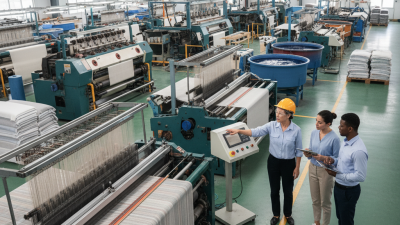
Choosing the right Automatic Nonwoven Equipment is a critical decision for businesses in the nonwoven fabric industry. As technological advancements continue to shape manufacturing processes, selecting the most suitable machinery can greatly influence product quality, production efficiency, and overall operational costs. Given the diverse applications of nonwoven materials, ranging from medical supplies to automotive components, it is essential to have a solid understanding of key factors that affect equipment selection.
In this guide, we will explore ten essential tips for selecting the best Automatic Nonwoven Equipment for your needs. These insights will cover various aspects, including production capacity, machinery features, and maintenance requirements. By considering these vital elements, businesses can ensure they invest in equipment that not only meets their current demands but also aligns with future growth and innovation. Let's delve into these crucial tips to empower your decision-making process and enhance your manufacturing capabilities in the nonwoven industry.
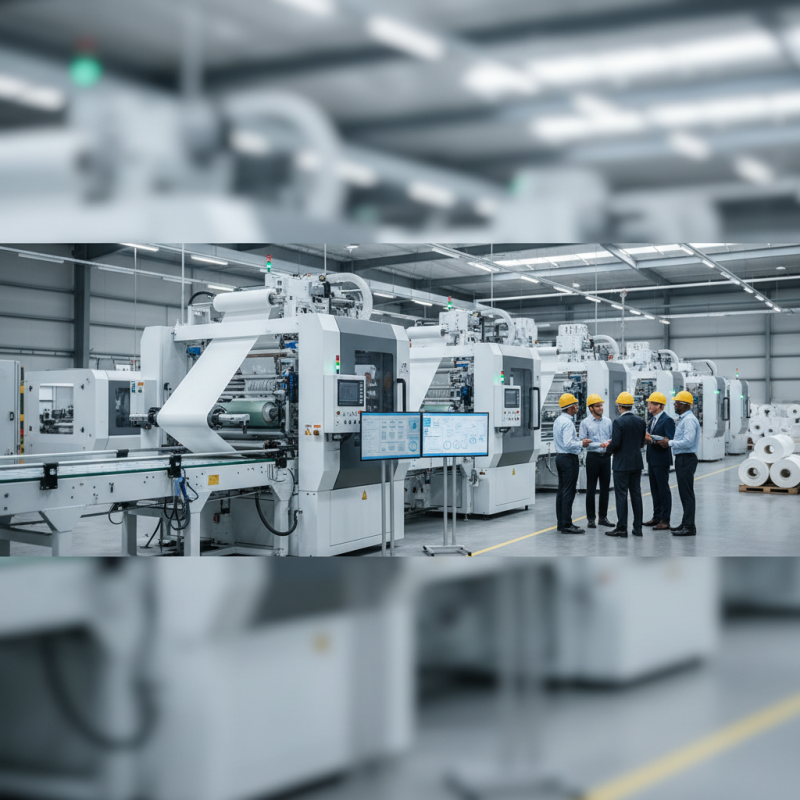
Understanding nonwoven fabric types and their applications is crucial for selecting the right automatic nonwoven equipment. Nonwoven fabrics, which account for over 30% of the global textile industry, are produced in various forms, including spunbond, meltblown, and spunlace. Each type possesses unique properties and serves different purposes. Spunbond fabrics, for example, are known for their high tensile strength and are commonly used in applications ranging from agricultural cover materials to hygiene products like diapers and feminine care items. According to a report by MarketsandMarkets, the global spunbond nonwoven fabric market is projected to reach $20 billion by 2025, underscoring its significant industrial demand.
Meltblown nonwovens, on the other hand, excel in filtration applications due to their fine fiber structure and high surface area. These materials are critical in producing medical face masks and air filtration products, driving an increasing interest in advanced production technologies. A recent analysis found that the meltblown nonwoven market is expected to grow at an impressive CAGR of over 7% between 2021 and 2028. Understanding these fabric types and their respective applications can guide manufacturers in selecting equipment that best suits their production needs, ensuring efficiency and quality in their final products.
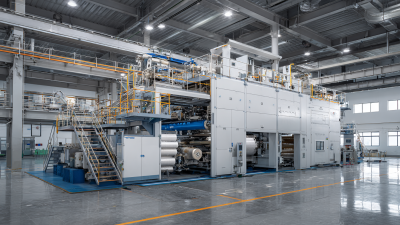
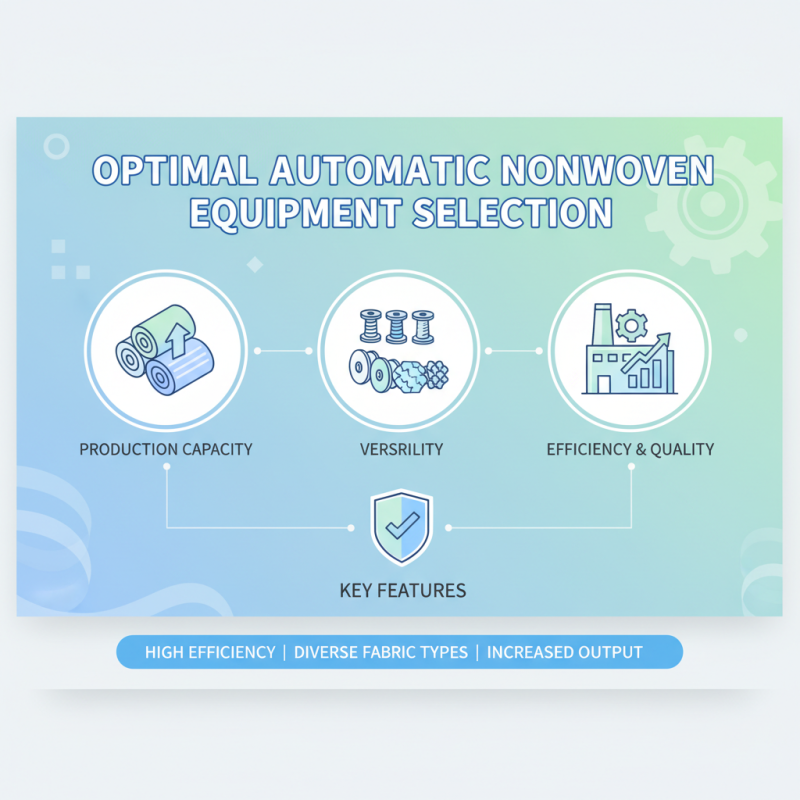
When selecting automatic nonwoven equipment, it is imperative to consider several key features that can significantly impact both efficiency and production quality. First and foremost, assess the machine’s production capacity, as this determines how much nonwoven fabric can be produced in a given timeframe. A higher capacity often means a more robust system that can handle larger batches, ultimately streamlining operations. Additionally, look for versatility in the equipment; machines that can produce different types of nonwoven fabrics or handle various material compositions can save costs and space in the long run.
Another critical feature to evaluate is the technology employed in the equipment. Advanced automation technologies, like real-time monitoring systems and programmable interfaces, can enhance the precision of fabric production and reduce the likelihood of errors. Furthermore, consider the ease of maintenance and availability of technical support. Equipment that is designed for easy servicing can minimize downtime, ensuring uninterrupted production cycles. Lastly, energy efficiency is an increasingly important factor; machines that consume less energy not only reduce operational costs but also align with sustainability goals in manufacturing practices.
When selecting automatic nonwoven equipment, evaluating production capacity and efficiency metrics is essential for ensuring optimal performance and a strong return on investment. According to a recent industry report, manufacturers should consider equipment that can achieve production speeds of at least 150 meters per minute while maintaining high quality. This benchmark allows companies to meet growing market demands without compromising product integrity.
A critical tip for assessing production capacity is to analyze the equipment's throughput, which refers to the amount of material processed over a specific period. According to data from the Nonwovens Industry Association, the ideal throughput for modern nonwoven production lines should be around 600-800 kg per hour for optimal efficiency. Additionally, reviewing historical performance metrics can provide insights into the machine's reliability and maintenance needs, allowing producers to make informed decisions.
Efficiency metrics such as energy consumption and waste generation also play a vital role. A well-optimized automatic nonwoven line should have an energy usage of less than 2 kWh per kilogram produced, which aligns with sustainability goals while minimizing operational costs. Moreover, reducing waste to below 5% of total output can significantly enhance profitability. Therefore, evaluating these metrics not only aids in selecting the right equipment but also ensures long-term success in a competitive market.
When investing in automatic nonwoven equipment, understanding the importance of maintenance and service support is paramount. According to a report by the Nonwovens Innovation & Research Institute, regular maintenance can extend equipment lifespan by up to 40%, significantly reducing long-term operational costs. This highlights that a strong maintenance plan not only ensures optimal performance but also enhances productivity by minimizing unexpected downtime.
Moreover, service support plays a critical role in the seamless operation of nonwoven manufacturing processes. A survey conducted by IndustryWeek revealed that companies with readily accessible service support experienced 30% less downtime compared to those without. Proper training and responsive service teams can drastically improve the adaptability of equipment and the skillset of the workforce, ultimately leading to better output quality and efficiency. Investing in reliable service support complements preventive maintenance strategies, fostering an operational environment that can swiftly adapt to production demands and technological advancements.
| Tip No. | Essential Tip | Importance | Maintenance Consideration | Service Support |
|---|---|---|---|---|
| 1 | Assess Production Requirements | Ensures machine fits production needs | Regularly review capacity against needs | Vendor should offer capacity planning support |
| 2 | Evaluate Technology Options | Stay competitive with modern tech | Schedule technology updates | Regular training on new features |
| 3 | Check for Energy Efficiency | Lowers operational costs | Implement energy checks | Seek energy-saving consultations |
| 4 | Consider User-Friendliness | Reduces training time | Conduct user experience reviews | On-site demos and training |
| 5 | Evaluate Supplier Reputation | Mitigates risks of poor service | Review service history | Look for customer testimonials |
| 6 | Plan for Spare Parts Availability | Minimizes downtime | Establish stock levels | Ensure fast delivery options |
| 7 | Assess Warranty Options | Protects financial investment | Understand warranty limits | Locate contact points for warranty claims |
| 8 | Inquire About Customization Options | Aligns equipment with specific needs | Regularly assess ongoing needs | Document all customization requests |
| 9 | Research After-Sales Support | Ensures long-term functionality | Create a support schedule | Have clear support contacts |
| 10 | Stay Informed on Industry Trends | Helps in making informed decisions | Plan training around trends | Network with industry experts |
When considering the purchase of automatic nonwoven equipment, conducting a thorough cost-benefit analysis is crucial. The initial investment for this type of machinery can be significant, covering costs for advanced technology, installation, and training. However, it is essential to weigh these upfront costs against the anticipated long-term returns. Efficient and high-capacity automatic nonwoven equipment can drastically reduce labor costs, increase production efficiency, and minimize waste, leading to lower operational expenses over time.
Additionally, the longevity and reliability of nonwoven equipment play a pivotal role in the overall financial evaluation. High-quality machines may be more expensive initially, yet their durability often translates to fewer breakdowns and reduced maintenance costs. Investing in advanced automation features can also enhance production capabilities, enabling manufacturers to respond quickly to market demands and fluctuations.
By carefully analyzing these factors, companies can make informed decisions that align with their financial goals and operational needs, ultimately maximizing their return on investment in nonwoven technology.