10 Essential Tips for Choosing the Right Textile Processing Machine
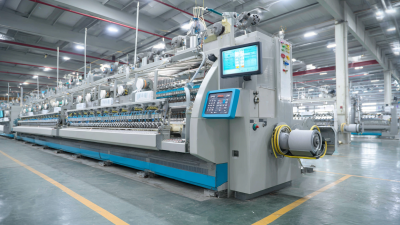
Choosing the right Textile Processing Machine can significantly impact your production quality and efficiency. With numerous options available, the decision can be overwhelming. Each machine has its unique features, advantages, and complexities that require careful consideration.
Consider your specific needs. Think about the type of textiles you process. The right machine should match your production goals. Focusing solely on price may lead to regret later. It’s vital to assess the long-term benefits of performance over initial cost. Your choice influences not only productivity but also operational costs.
It’s also essential to research each machine’s reliability and maintenance requirements. Machines with high maintenance needs can disrupt workflows. Whether your business is large or small, the right Textile Processing Machine can elevate your operations. However, investing blindly can lead to challenges. Reflect on your priorities and choose wisely.
Understanding Different Types of Textile Processing Machines
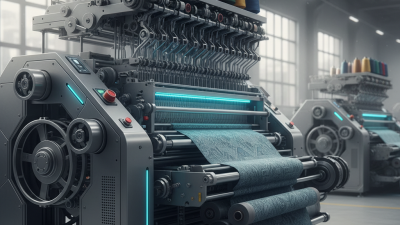
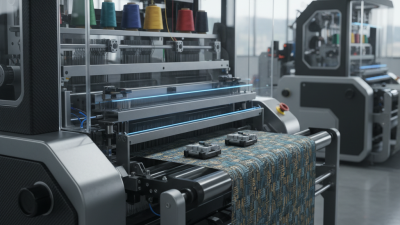
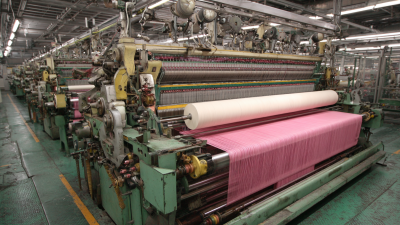
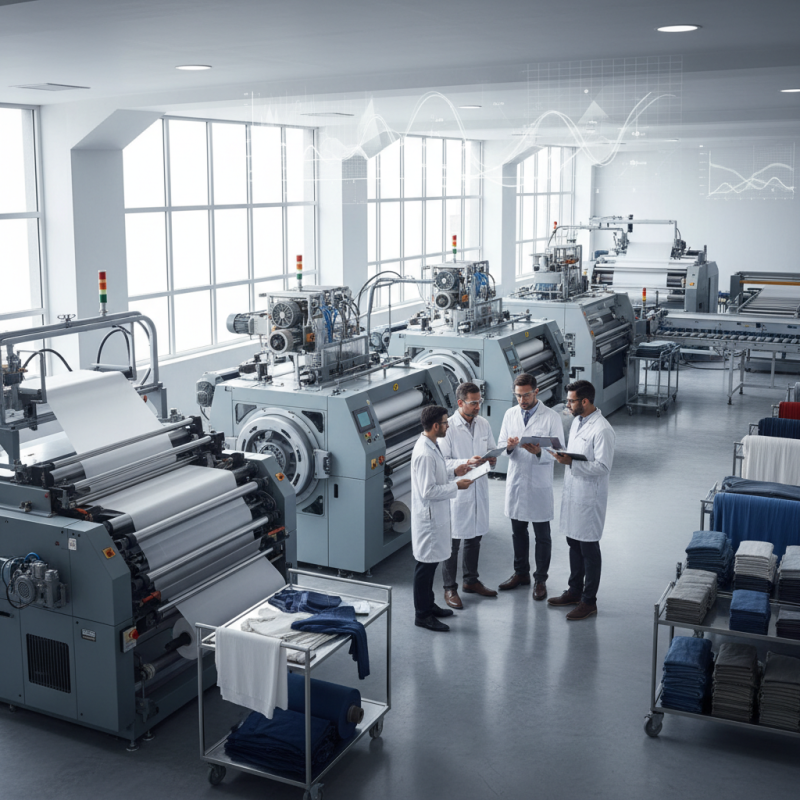
When exploring the world of textile processing machines, it's crucial to understand the different types available. There are spinning machines that twist fibers into yarn. These are vital for fabric creation. Another type is weaving machines, which interlace yarn to form textiles. Each type serves a unique purpose in the production chain.
In addition, dyeing and finishing machines enhance the final product. Dyeing machines add color, while finishing machines improve texture and durability. However, choosing the right machine can be tricky. Some users overlook capacity needs or energy efficiency. These aspects are essential to consider.
Maintenance is often neglected. A machine that seems perfect might require more upkeep than anticipated. Frequent breakdowns can lead to lost productivity. Evaluating the total cost of ownership is vital. Realizing the potential challenges of each type can lead to better decisions. Keep these factors in mind as you navigate this complex landscape.
Evaluating Production Capacity and Efficiency Requirements
When selecting the right textile processing machine, production capacity and efficiency are crucial. You need to assess your current output requirements. How much fabric do you produce daily? This fundamental question shapes your machine choice. A machine that cannot keep up with demand leads to delays and lost revenue.
Efficiency is another key factor. Efficiency metrics are often overlooked. A machine that uses too much energy or has slow cycle times can erode profits. Look for machines that offer advanced features, such as optimized power consumption or faster processing speeds. These features can result in significant savings over time.
Don’t underestimate the importance of scalability. As your business grows, so will your needs. A machine that meets today's demands may not suffice tomorrow. It's wise to think ahead and consider equipment that can handle increased production volumes. Engaging your team in this decision-making process can reveal hidden perspectives. They might have insights that are valuable but often ignored.
Assessing Technology and Features of Textile Machines
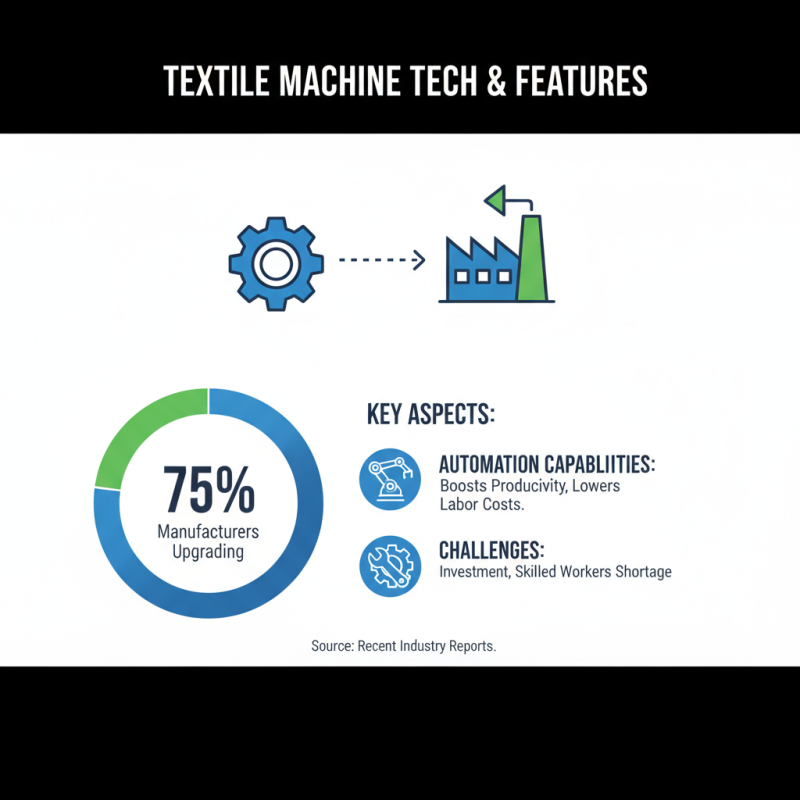
When selecting textile processing machines, technology and features play a crucial role. Recent industry reports suggest that nearly 75% of textile manufacturers are upgrading their machinery for efficiency. This drives the need for understanding key technological aspects. Look for machines with automation capabilities. Automated processes increase productivity while reducing labor costs. However, investing in automation can be a challenge. Many businesses struggle to find skilled workers to operate advanced equipment.
Features like energy efficiency are essential too. Data indicates that energy-efficient machines can cut costs by 30%. While these savings are appealing, the initial investment might feel daunting. Always evaluate the long-term benefits versus short-term costs. Some manufacturers overlook maintenance needs. A machine with advanced features may require specialized training for upkeep. This adds to operating costs. Prioritize machines with user-friendly interfaces to ease potential employee learning curves.
Understanding machine specifications is vital. Features such as speed control and fabric compatibility can impact production quality. Yet, it’s easy to get lost in technical jargon. Take time to analyze how these specifications align with your production needs. Remember that not all advanced features guarantee a better outcome. Sometimes, simpler machines perform just as efficiently. Look for a balance between technology and practicality.
Considering Cost, Maintenance, and Operational Expenses
Choosing the right textile processing machine involves significant considerations of cost, maintenance, and operational expenses. According to the Textile Machinery Market Report, the global demand for textile machinery is projected to exceed $25 billion by 2025. However, selecting a machine solely based on the initial purchase price can lead to unforeseen costs later on. Some machines may be cheaper upfront but consume more energy or require frequent repairs, adding to the overall financial burden.
Maintenance is another critical factor. A study by the International Textile Manufacturers Federation indicated that companies spend an average of 30% of their total machine costs on maintenance. Regular inspections and servicing are essential. Neglecting this can lead to breakdowns and higher costs. For instance, a simple malfunction could halt production, leading to losses estimated at $5,000 per day for larger operations.
Operational expenses also vary significantly based on machine efficiency. Efficient machines not only reduce energy consumption but can also enhance productivity. The average energy cost for running textile machines can reach around $0.15 per kWh. Investing in a more efficient model may require higher initial outlay but can save thousands in annual energy costs. Ultimately, companies need to evaluate these factors holistically to make an informed decision.
Researching Manufacturer Reputation and Customer Support
When choosing a textile processing machine, the reputation of the manufacturer is crucial. A solid reputation often indicates reliability and quality. Look for manufacturers with a strong track record in the industry. Customer experiences can reveal a lot about the company. Seek out reviews and testimonials. They provide insights into the manufacturer's commitment to customer satisfaction.
Consider the level of customer support offered. A manufacturer should be accessible, especially for after-sales service. Prompt responses can alleviate production delays. If problems arise, a supportive team can make a significant difference. Ask potential manufacturers about their support hours and channels. Be wary of those with limited accessibility. You might find yourself stuck in a tough situation without help.
While researching, don’t fall for perfectly polished marketing materials. Sometimes, the reality is different from what is presented. Pay attention to real-world performance. Visiting other customers can offer a genuine perspective. Gather both positive and negative experiences. This balanced view can shape your final decision effectively.