What is High Speed Carding Machine and How Does It Work?
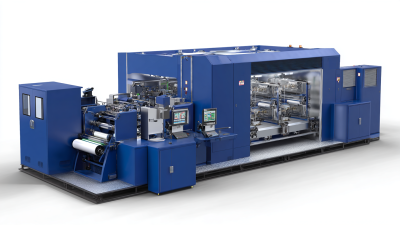
The High Speed Carding Machine is a pivotal innovation in the textile industry. This advanced equipment streamlines the carding process, making it faster and more efficient. By integrating modern technology, these machines perform intricate tasks that enhance fiber distribution. They help in producing high-quality yarn, which is crucial for various textile products.
Understanding how a High Speed Carding Machine operates gives insight into its role and potential impact. It employs a combination of high-speed rollers and precise settings to align fibers effectively. This precision reduces waste and improves the overall quality of the output. However, while these machines offer significant benefits, they also require careful operation and regular maintenance.
Inadequate training or poor handling can lead to inefficiencies. Furthermore, the investment in such technology necessitates a thorough understanding of its workings. A High Speed Carding Machine exemplifies both innovation and the importance of skilled operation in achieving optimal results. Its role in shaping the future of textiles cannot be understated, even as users continue to navigate its complexities.
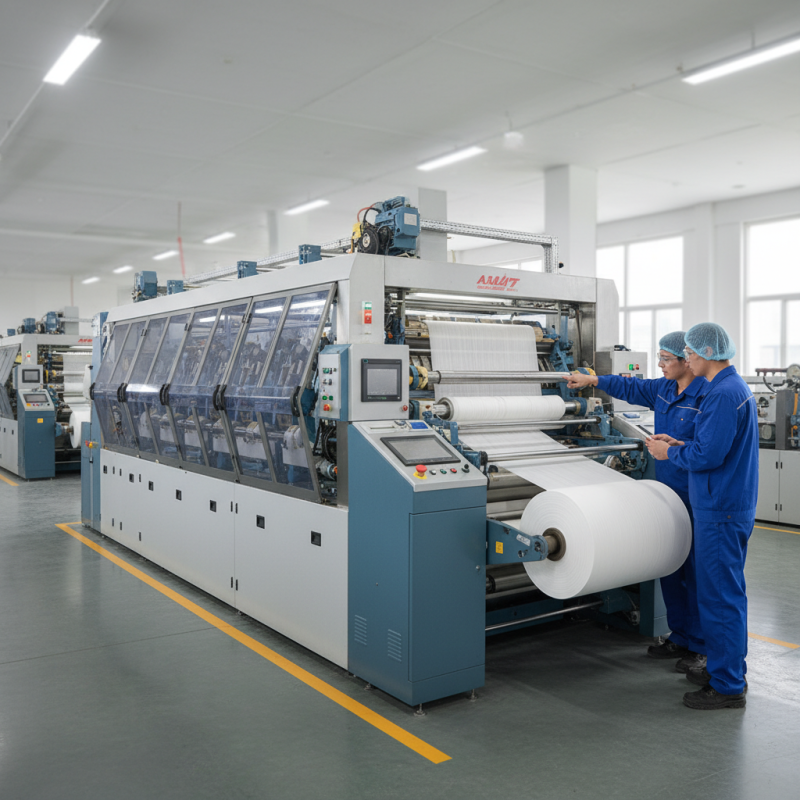
What is a High Speed Carding Machine?
A high-speed carding machine is essential in the textile industry. It transforms raw fibers into a more manageable form. This machine reduces the fluffiness of fibers, aligning them for the next processing stage. With advanced technology, it can process larger quantities in less time, enhancing overall efficiency.
The key components of a high-speed carding machine include the feeding system, main cylinder, and the doffing area. The feeding system guides the fibers into the machine. The main cylinder then brushes and separates these fibers, ensuring uniformity. This process is crucial for producing high-quality yarns. Different machines might have varied setups, leading to differences in output quality.
Tip: Regular maintenance is vital. Check the feeding rolls and the cylinder for wear and tear.
While these machines offer significant advantages, they require skilled operators. Understanding the machine’s nuances can prevent costly mistakes. Automation features are beneficial, but they do not replace human expertise.
Tip: Training staff on machine usage can drastically reduce errors.
Monitoring production speeds is essential. Faster is not always better if it compromises quality. Assessing fabric consistency can lead to improvements in production methods.
Key Components of High Speed Carding Machines
High-speed carding machines play a crucial role in the textile industry. These machines help in processing fibers to create a web of material suitable for spinning. The process begins with the feed system, which ensures a continuous flow of raw fiber. It is vital for maintaining efficiency.
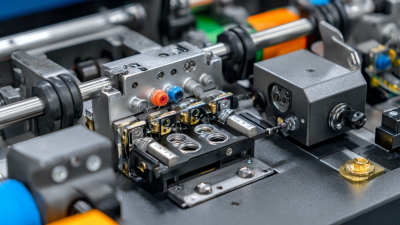
The key components include the feed mechanism, carding cylinder, and doffer. The carding cylinder is equipped with numerous fine teeth that separate and align the fibers. This action is essential for producing high-quality carded sliver. Maintaining these components is challenging. Wear and tear can affect performance, requiring regular checks.
Another critical part is the dust removal unit. This system extracts waste fiber and impurities. It enhances the quality of the end product. However, operators must regularly clean this unit to prevent it from clogging. High-speed carding machines are impressive but require careful management to optimize output and quality.
What is High Speed Carding Machine and How Does It Work? - Key Components of High Speed Carding Machines
| Component |
Description |
Function |
| Feeding Unit |
The part where raw fibers are fed into the machine. |
Ensures uniform distribution of fibers for further processing. |
| Carding Cylinder |
The rotating cylinder with carding segments that separate and align fibers. |
Carding fibers by opening and disentangling them. |
| Doffing Device |
Removes the sliver from the carding cylinder once the process is complete. |
Facilitates the continuous operation of carding by clearing processed fibers. |
| Lickerin |
A rotating component that helps to feed fibers to the carding cylinder. |
Enhances fiber opening and feeding into the cylinder. |
| Beater |
A device that adjusts the fiber flow and aligns fibers before carding. |
Optimizes the carding process to improve output quality. |
How High Speed Carding Machines Operate
High-speed carding machines play a crucial role in the textile industry. They are designed to convert raw fibers into a continuous web of aligned strands. This process significantly improves the quality of yarn produced. The machine utilizes a series of rotating cylinders and sharp teeth to disentangle and straighten fibers efficiently. As the fibers pass through the machine, they undergo a series of mechanical actions. This creates an even and consistent thickness, setting the stage for weaving or knitting.
Understanding how high-speed carding machines operate is essential for ensuring optimal performance. The process begins with a feed mechanism that delivers bales of raw fiber. Once inside, the fibers are opened up and evenly distributed onto a moving surface. The action of the rotating drums separates and aligns the fibers. Adjustments to speed and tension can greatly affect the output quality. Operators must remain vigilant, as improper settings might lead to uneven carding or excessive waste. Regular maintenance of the machine is necessary to prevent breakdowns and ensure consistent production quality. Even experienced operators need to continually reflect on their techniques and make adjustments where necessary.
Advantages of Using High Speed Carding Machines
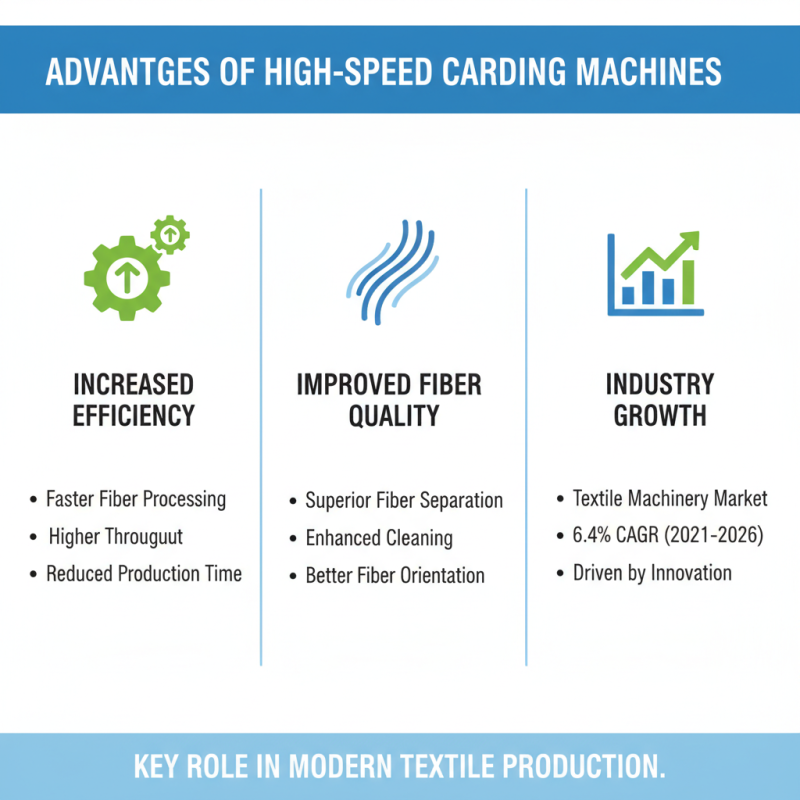
High-speed carding machines play a crucial role in the textile industry. They significantly enhance fiber processing efficiency. These machines use advanced technologies to separate, clean, and orient textile fibers. According to industry reports, the global textile machinery market is projected to grow at a CAGR of 6.4% between 2021 and 2026. This growth is driven by the adoption of innovative machines, particularly high-speed carders.
One key advantage of high-speed carding machines is their ability to process large volumes of fiber quickly. These machines can operate at speeds exceeding 300 meters per minute. This efficiency leads to reduced production time and costs. Additionally, they yield superior fiber quality by minimizing waste. Industry data shows that high-speed carding can increase fiber output by 20-30%.
Despite these benefits, there are challenges to consider. The initial investment costs for high-speed machines can be substantial. Moreover, maintenance requires skilled technicians. Many manufacturers struggle to find qualified personnel. This skill gap can impact the overall efficiency of carding processes. Ultimately, while high-speed carders offer impressive advantages, continuous investment in workforce training is essential for sustained success.
Applications in Various Industries
High-speed carding machines play a crucial role in various industries,
particularly in textiles and nonwovens. These machines efficiently process
raw fibers into a usable form, enhancing productivity. In the textile sector,
they help convert cotton or
wool into a fine web of fibers.
This step is vital for achieving high-quality yarns.
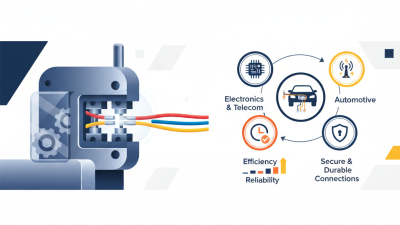
In the nonwoven industry, high-speed carding machines are essential for
producing products like hygiene items,
medical supplies, and
automotive components. They allow for
quick and efficient fiber separation and blending. This process creates a
uniform web structure, which is necessary for end products'
durability and
performance.
Yet, challenges exist in adapting these machines to different fibers and blends.
Adjusting settings can be complex and requires expertise. Additionally,
maintenance is critical for optimal performance. Operators must periodically
check for wear and tear. Proper training
can mitigate these issues, enhancing reliability
and efficiency. Understanding these
intricacies is vital for industries relying on high-speed carding technology.