Leave Your Message

How to Choose a Ring Spinning Machine?

Choosing a Ring Spinning Machine is not simply a matter of comparing spindle speed or purchase price. The right decision begins with your yarn requirements, fiber mix, production volume, and factory conditions. Cotton, viscose, polyester, and blended fibers can behave very differently at the drafting zone. A machine that performs smoothly with combed cotton may struggle with a slippery synthetic blend.

Dr. Peter R. Lord, a respected authority in cotton spinning, stated, “The object of spinning is to produce a yarn of the required quality at the lowest possible cost.” This principle remains practical today. Buyers should examine yarn count range, spindle capacity, traveler compatibility, drafting stability, automation, and energy consumption. Look closely at the details. A small vibration near the spindle can become frequent end breaks across thousands of positions. That affects labor, waste, and delivery schedules.

The best Ring Spinning Machine also fits the people and maintenance habits behind it. Ask how quickly operators can change travelers, clean the drafting system, and identify abnormal noise. Review actual mill references, not only brochures. Check spare-parts availability and technical support in your region. Numbers can impress. Reliability pays the bills.

There is no perfect machine. A highly automated model may exceed the needs of a smaller mill. A lower-cost model may create hidden expenses through downtime. This is where buyers must reflect carefully. The final choice should balance yarn quality, output, flexibility, operating skill, and long-term cost. A careful evaluation prevents an expensive mismatch and supports steadier production.
How to Choose a Ring Spinning Machine?

Understanding the Purpose and Operating Principles of Ring Spinning Machines

How to Choose a Ring Spinning Machine?

Understanding the Purpose and Operating Principles of Ring Spinning Machines

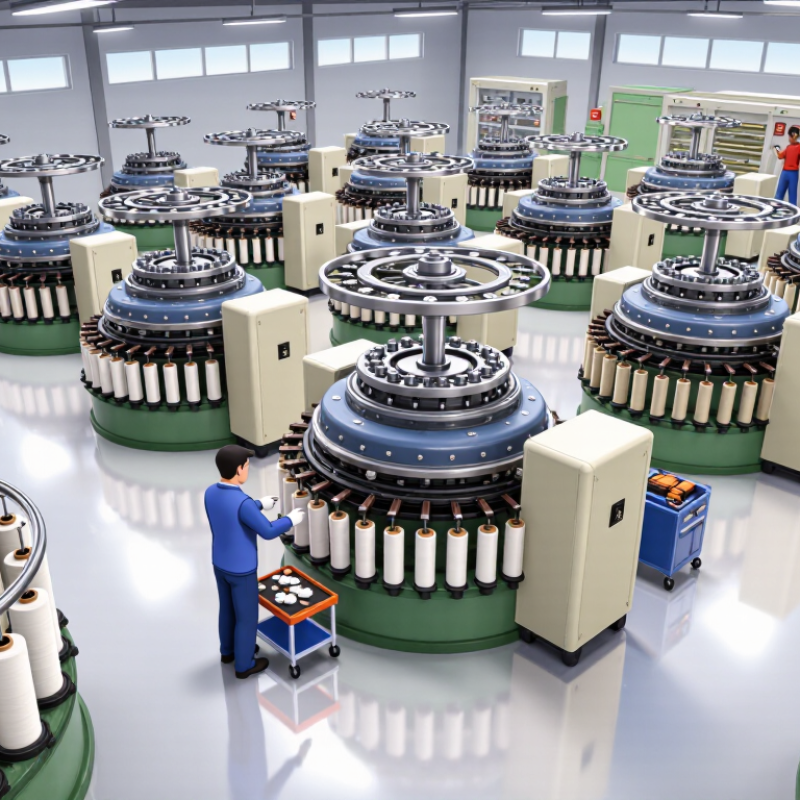
A ring spinning machine converts drafted fiber strands into continuous yarn. Its drafting system reduces fiber thickness, while the spindle adds controlled twist. The traveler guides yarn onto the bobbin as it rotates at high speed. This interaction creates strength, evenness, and the familiar yarn package shape.

The correct machine depends on fiber type, yarn count, twist level, and planned production volume. Cotton, viscose, and blended fibers may require different drafting settings and traveler designs. Higher spindle speed can increase output, but it may also raise energy use, yarn breakage, and maintenance demands. The choice is rarely obvious.

ITMF’s International Textile Machinery Shipment Statistics 2023 reported about 5.6 million new short-staple spindles shipped worldwide. This figure indicates strong investment, but shipment volume does not prove suitability for every mill. Textile Exchange reported global fiber production at approximately 124 million tonnes in 2023, adding pressure for efficient and traceable production. Buyers should compare energy consumption per kilogram, automation functions, spare-part access, and operator training. A practical trial with the target fiber is more reliable than a brochure claim. Measure end-break frequency, yarn unevenness, hairiness, and actual power use. Small details matter. Some evaluations still overlook humidity control and floor layout. That is a mistake worth reconsidering.
Assessing Fiber, Yarn, and Production Requirements

Choosing a ring spinning machine starts with the fiber, not the machine catalogue. Cotton length, micronaire, strength, and trash content affect drafting stability. Man-made fibers require attention to cut length, finish, crimp, and static behavior. Textile Exchange’s Materials Market Report 2024 estimated global fiber production at 124 million tonnes in 2023. Polyester represented about 57% of that volume.

A mill handling blends should test each recipe before fixing spindle settings.

Yarn requirements narrow the choice further. Define count range, twist, strength, elongation, hairiness, and acceptable imperfections. Fine yarns often need better control of tension and traveler wear. Coarser counts may prioritize output and robustness.

Moisture control also matters, especially in dry climates. Numbers need context. A laboratory result can look excellent while production breaks increase after eight hours.

Production planning should connect spindle speed with real utilization, not theoretical capacity. The ITMF International Textile Machinery Shipment Statistics reported approximately 8.6 million short-staple spindles shipped globally in 2023. This signals continuing investment, but it does not prove that higher speed suits every mill.

Calculate daily kilograms, available floor space, labor, energy, maintenance time, and lot changes. Leave room for cleaning and quality checks. A common mistake is selecting too many spindles before confirming demand.

The first calculation may be wrong. Run a controlled trial using the intended fiber, yarn count, and shift pattern, then compare output, waste, power consumption, and quality results.

Comparing Machine Types, Features, and Technical Specifications

How to Choose a Ring Spinning Machine?

Choosing a ring spinning machine starts with the yarn, not the machine’s appearance. Conventional ring frames suit many cotton and blended yarns. Compact spinning machines reduce hairiness and usually improve yarn strength. Siro systems can produce plied effects with fewer process steps. Each type has trade-offs in cost, maintenance, and operator skill.

Compare spindle speed, spindle count, ring diameter, lift, and drafting accuracy. Higher speed can raise production, but it may increase heat, vibration, and end breaks. A longer lift supports larger bobbins, although it can demand more power. Check the suitable yarn-count range carefully. A frame designed for fine yarn may perform poorly with coarse fibers. The drafting system should hold fiber control consistently across every position. Small differences become visible in uneven yarn.

Automation also deserves practical attention. Automatic doffing, yarn monitoring, and centralized lubrication can reduce labor pressure. Yet complicated controls may slow repairs when technicians lack training. Ask for measured energy use, noise levels, spare-part availability, and trial data. Supplier claims need verification under your fiber, humidity, and production targets. A machine can look excellent on paper and still disappoint in a real mill. Plan a controlled trial before purchase. Record breakage rates, output, waste, and cleaning time. Some decisions remain uncertain, and that is worth acknowledging.

Evaluating Productivity, Quality Control, Energy Use, and Maintenance

Choosing a ring spinning machine starts with productivity, but output figures need careful verification. Productivity should be measured through stable spindle speed, actual utilization, doffing time, and yarn break frequency. Ask for trial data from similar cotton or blended yarn counts. A high-speed setting means little if operators stop the frame repeatedly.

Quality Control Quality control requires more than checking yarn appearance. During a mill trial, measure unevenness, imperfections, hairiness, and tensile strength under repeatable conditions. Use recognized textile testing methods where possible. Inspect the winding package closely, especially its edges and density. Small defects matter.

Energy use deserves direct measurement. Record kilowatt-hours per kilogram, including drafting, spindle, suction, and air systems. Compare results at the same production rate. Some efficient machines perform poorly when airflow settings are incorrect. Maintenance planning is equally practical. Examine access to drafting parts, spindle bearings, sensors, and cleaning points. Ask how quickly technicians can replace common components. A clear maintenance schedule reduces unplanned stoppages, though real workshops rarely follow it perfectly. Keep spare parts nearby. I would also review operator training, noise levels, and dust control. No machine is perfect. A slightly slower frame may deliver better yarn, lower waste, and fewer difficult repairs. That trade-off deserves honest discussion.

Selecting a Machine Based on Budget, Space, and Supplier Support

Choosing a ring spinning machine starts with a realistic budget, not the quoted purchase price. Your calculation should include installation, training, transport, energy use, and replacement parts. Ask for a detailed cost sheet before comparing machines. A cheaper machine may require more frequent adjustments or costly imported components. It happens often. Keep an emergency fund for early repairs and unexpected electrical work. In practice, maintenance costs can influence production more than the initial payment.

Space must be measured with working conditions in mind. Record ceiling height, doorway width, floor strength, and ventilation capacity. Leave clear paths. Operators need safe access around drafting units, spindles, and cleaning areas. Check whether the electrical system can support the machine continuously. Heat and humidity also affect yarn quality and operator comfort. A compact layout may save floor space, but it can restrict inspection and waste removal. Do not trust the floor plan alone. Walk the route.

Supplier support deserves careful testing before any contract is signed. Request written response times, technician availability, training details, and spare-part lead times. Ask whether manuals include adjustment procedures and maintenance schedules. Speak with existing users, if possible, and ask about delayed service during peak production. No promise is perfect. I would still question a support plan that depends on one distant technician. Local skills, clear documentation, and practical training often reduce downtime more effectively than attractive sales terms. Recheck every assumption after measuring your building and production targets.

How to Choose a Ring Spinning Machine? Selecting a Machine Based on Budget, Space, and Supplier Support
Machine Configuration Typical Spindle Capacity Suitable Yarn Range Indicative Planning Budget
(USD, Excluding Building Work)
Recommended Production Space
(Including Service Aisles)
Typical Installed Electrical Load Indicative Output Capacity
(Per 1,000 Spindles)
Supplier Support Requirements Best Fit
Compact Entry-Level Frame 480–768 spindles Coarse to medium-count yarns, approximately Ne 10–40 US$150,000–350,000 Approximately 100–180 m² Approximately 45–90 kW Approximately 18–35 kg per 24 hours Basic installation, operator training, recommended spare-parts list, and remote troubleshooting Small mills, sampling facilities, training centers, and businesses testing a new product line
Standard Mid-Size Frame 768–1,200 spindles Medium-count yarns, approximately Ne 20–60 US$250,000–550,000 Approximately 160–280 m² Approximately 70–130 kW Approximately 20–40 kg per 24 hours On-site commissioning, process setting support, maintenance training, spare-parts availability, and service response within 48–72 hours Growing mills that need a balance between investment, flexibility, and production efficiency
High-Capacity Production Frame 1,200–1,824 spindles Fine to medium-count yarns, approximately Ne 30–80 US$450,000–900,000 Approximately 250–450 m² Approximately 110–190 kW Approximately 22–45 kg per 24 hours Full installation supervision, commissioning, preventive-maintenance schedule, critical spare-parts stock, technical documentation, and planned service visits Commercial mills focused on lower unit cost and continuous production
Specialized Compact Fine-Yarn Frame 768–1,440 spindles Fine-count yarns, approximately Ne 50–120, depending on fiber and process settings US$400,000–850,000 Approximately 180–350 m² Approximately 80–160 kW Approximately 10–28 kg per 24 hours Application testing, twist and drafting support, fiber-specific process trials, specialist training, and fast access to technical engineers Mills producing higher-value fine yarns where quality consistency is more important than maximum volume
Used or Refurbished Frame 600–1,824 spindles Depends on machine condition, drafting system, spindle type, and available components US$60,000–350,000 Approximately 130–450 m² Approximately 50–190 kW Approximately 15–40 kg per 24 hours Require a documented inspection, component-condition report, installation warranty, spare-parts plan, and clear responsibility for refurbishment work Buyers with limited capital, experienced maintenance staff, and access to reliable mechanical and electrical technicians
Planning notes: Budget, space, electrical-load, and output figures are practical planning ranges rather than quotations. Actual results depend on fiber type, yarn count, twist, spindle speed, roving quality, machine age, automation level, building services, and operating efficiency. Allow additional space for material handling, humidity control, cleaning, maintenance access, and fire-safety requirements.