How to Optimize Automatic Lyocell Equipment for Maximum Efficiency?
In the evolving textile industry, maximizing efficiency in production processes is essential. One significant factor is the optimization of Automatic Lyocell Equipment. According to recent industry reports, the demand for Lyocell fibers has surged by over 20% annually, driven by sustainability trends. This increase necessitates improved equipment performance to meet market needs.
Currently, many manufacturers struggle with operational inconsistencies and production bottlenecks. Data reveals that optimizing automatic systems can boost output by 30%. This statistic reinforces the need for investment in technology and best practices. However, achieving peak performance in Automatic Lyocell Equipment often presents challenges that require reflection and innovation.
The pursuit of efficiency is not without its hurdles. Regular maintenance and staff training programs are vital but frequently overlooked. Inadequate expertise can lead to suboptimal machine performance. Addressing these gaps creates opportunities for increased productivity and more reliable outputs in the growing Lyocell market.
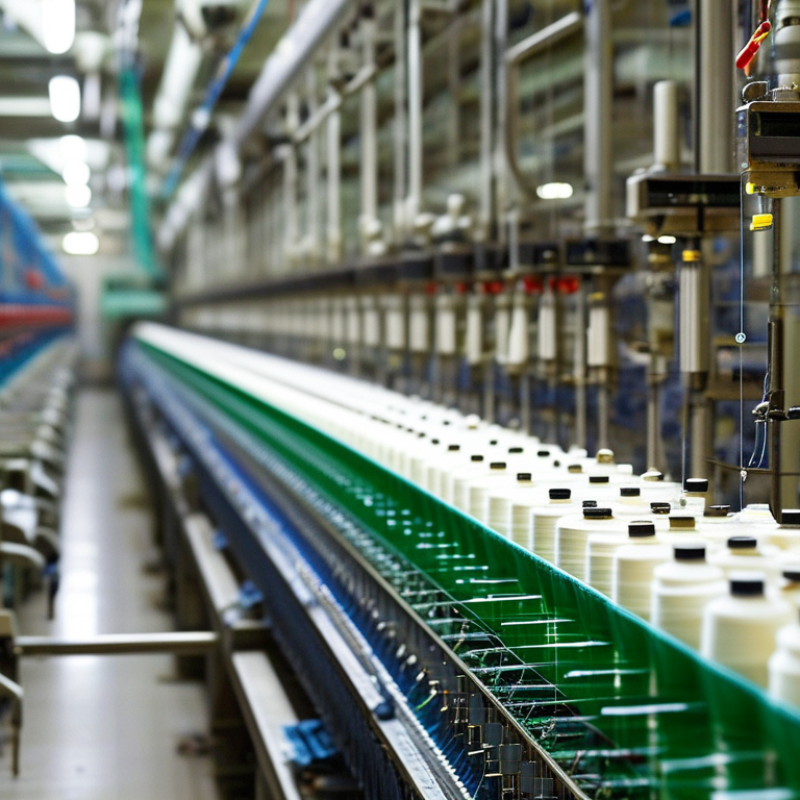
Optimizing Automatic Lyocell Equipment: Key Performance Indicators
Optimizing automatic Lyocell equipment requires a clear focus on key performance indicators (KPIs). These indicators include
fiber yield, energy consumption, and process efficiency.
A recent industry report highlights that improving fiber yield by just 5% can significantly enhance overall production output.
This is critical in a market driven by sustainability and cost efficiency.
Energy consumption is another vital KPI. The industry average shows that Lyocell production consumes about 100 MJ per kilogram.
However, advancements in technology can reduce this by up to 20%. Evaluating energy usage regularly can provide insights into areas for improvement.
Monitoring such metrics helps identify inefficiencies, leading to better resource allocation and reduced operating costs.
Process efficiency should not be overlooked either. An efficient Lyocell production line typically achieves a 90% operational efficiency rate.
Regular equipment maintenance and timely upgrades can help maintain these rates. Noticing dips in performance can highlight potential issues.
Continuous reflection on these benchmarks ensures sustained growth and optimal production levels.
Understanding the Lyocell Production Process for Enhanced Efficiency
The Lyocell production process is complex but crucial for efficiency. This fiber, derived from sustainable wood pulp, requires precise conditions to maximize yield. Current industry reports indicate that optimizing each phase can increase production efficiency by up to 30%. Understanding these phases helps identify key areas for improvement.
Key challenges include maintaining optimal temperature and pressure conditions. Deviations can lead to lower fiber strength or increased waste. Inconsistent processing can decrease quality, as the ideal viscosity for the spinning solution is critical. Industry professionals recommend constant monitoring of these parameters to ensure consistent results. A report by the Textile Institute highlights that fluctuations in these factors can lead to a 15% drop in overall production efficiency.
Moreover, the use of eco-friendly solvents in the Lyocell process requires careful handling. Not all equipment is equipped to recycle these solvents effectively, resulting in environmental concerns. Studies indicate that improving this aspect can significantly enhance the overall sustainability of Lyocell production. Continuous feedback loops from equipment can reveal weaknesses in processes, sparking innovation and improvement.
Implementing Routine Maintenance Schedules for Equipment Longevity
Routine maintenance for automatic Lyocell equipment is crucial for its longevity and efficiency. Establishing a regular schedule can prevent unexpected breakdowns. Regular checks on key components like pumps, filters, and sensors ensure smooth operation. Just a small oversight can lead to costly repairs or delays.
Apart from scheduled checks, observe how the equipment performs during production. Notice any unusual sounds or vibrations. These can indicate underlying issues. Sometimes, maintenance routines can overlook minor details, which often escalate into major problems. Listen to your team; they work closely with the equipment and may spot inconsistencies you miss.
Documentation is essential in this process. Keep detailed records of maintenance activities, repairs, and performance metrics. This data helps identify trends and informs future maintenance plans. Without it, important insights may be lost. Balance is key; over-maintenance can waste resources, while under-maintenance jeopardizes productivity. Regular reflection on your approach will lead to better routines.
Analyzing Energy Consumption Trends in Lyocell Manufacturing
Analyzing energy consumption trends in Lyocell manufacturing reveals crucial insights. The production process can be energy-intensive. Understanding where energy is used most effectively is essential for optimization.
Establishing energy-efficient practices starts with equipment calibration. Regular audits can uncover inefficiencies in machinery. Aim for a balance between production speed and energy consumption. Small adjustments can lead to significant savings.
It's also important to use advanced monitoring systems. These systems can track energy usage in real-time. Identifying peak consumption periods may help in planning production schedules. This can reduce stress on equipment and lower costs.
Creating a culture of efficiency among workers cannot be overlooked. Educating staff on energy-saving techniques enhances overall performance. Encouraging teams to suggest improvements may also lead to new ideas. Emphasizing accountability can drive better practices.
Optimization of Energy Consumption in Lyocell Manufacturing
This chart illustrates key resource metrics in the lyocell manufacturing process. By analyzing energy consumption, water usage, and production time, manufacturers can strategize to enhance efficiency and sustainability.
Leveraging Data Analytics for Continuous Improvement in Production
In the textile industry, optimizing automatic Lyocell equipment is vital for enhancing productivity. Data analytics play a crucial role in this process. Industry reports indicate that facilities applying data-driven methods can boost operational efficiency by up to 25%. This kind of continuous improvement allows for real-time monitoring and adjustment of production processes, minimizing waste and maximizing output.
Tips for optimizing your production line include collecting data from sensors and machines. Analyze this data to identify bottlenecks in the production process. Regularly review the performance metrics to ensure consistent quality and efficiency. Implementing machine learning algorithms can also help predict maintenance needs, further reducing downtime.
It's important to recognize that not every adjustment will yield positive results. Experimenting with different parameters can lead to unexpected outcomes. Reflecting on failures is essential; the key lies in learning from data trends. Analyzing outlier events often reveals insights that conventional methods might overlook. By doing so, companies can steadily refine their processes and foster a culture of innovation in Lyocell production.