What is a Textile Dryer Machine and How Does It Work?
In the textile industry, efficiency and quality are critical. A Textile Dryer Machine plays a vital role in achieving these goals. According to industry reports, the global textile dryer market is expected to grow significantly. This growth is driven by the increasing demand for high-quality fabric processing.
Textile drying is not just about removing moisture. It's about optimizing energy usage and reducing drying times. Factories often face challenges in balancing these aspects. Inefficient drying can lead to higher operational costs. Some machines may not provide uniform drying, affecting fabric quality.
Recent advancements in technology have improved the performance of Textile Dryer Machines. Yet, some manufacturers still rely on outdated methods. There's a need for continuous innovation. The right choice of machine can drastically affect production efficiency and overall business sustainability. The industry must reflect on these practices to remain competitive in a rapidly evolving market.
What is a Textile Dryer Machine?
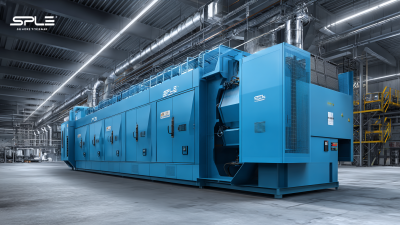
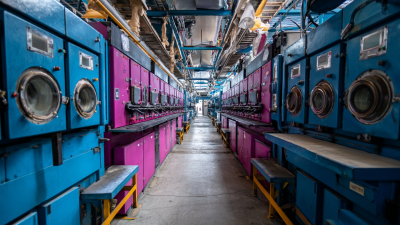
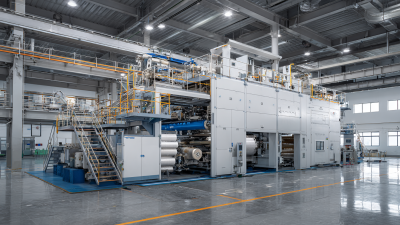
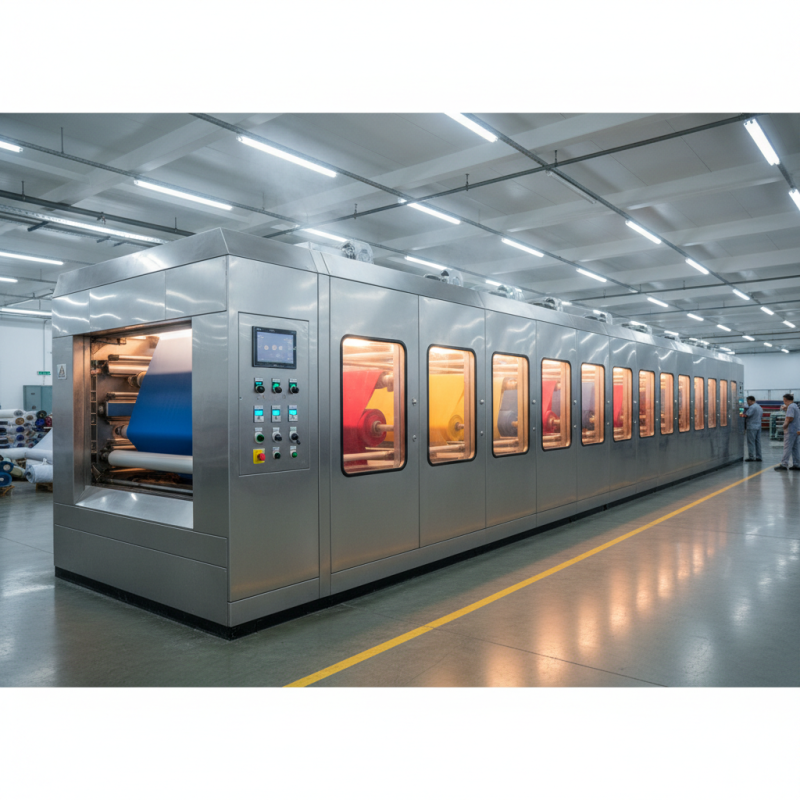
A textile dryer machine is a vital piece of equipment in the textile industry. It efficiently dries fabrics after they have been washed. These machines are designed to remove moisture quickly, ensuring textiles are ready for further processing or shipping. Employing heat and airflow, the dryer allows moisture to evaporate, speeding up production.
The drying process usually involves placing wet fabrics into the machine. As the dryer operates, hot air circulates around the textiles. Some machines have adjustable settings for different fabrics. This flexibility is essential. Different materials require various drying times and temperatures. However, it can sometimes lead to issues. Over-drying may cause damage. This factor is crucial for maintaining fabric quality.
Maintaining the dryer is important too. Regular checks prevent breakdowns and ensure efficiency. Sometimes, users overlook small issues that can escalate. Accumulated lint and dust can reduce performance. Consistent cleaning is needed for optimal operation. Understanding these aspects can help textile manufacturers achieve better results.
What is a Textile Dryer Machine and How Does It Work?
| Feature |
Description |
| Machine Type |
Rotary Dryer |
| Heating Method |
Hot Air |
| Capacity |
100 kg to 1500 kg per batch |
| Control System |
Automatic PLC Control |
| Application |
Drying of textiles such as fabrics, garments, and towels |
| Energy Source |
Electric, Gas, or Steam |
| Efficiency |
Up to 90% energy efficiency |
| Maintenance |
Low, with regular cleaning required |
Key Components of a Textile Dryer Machine
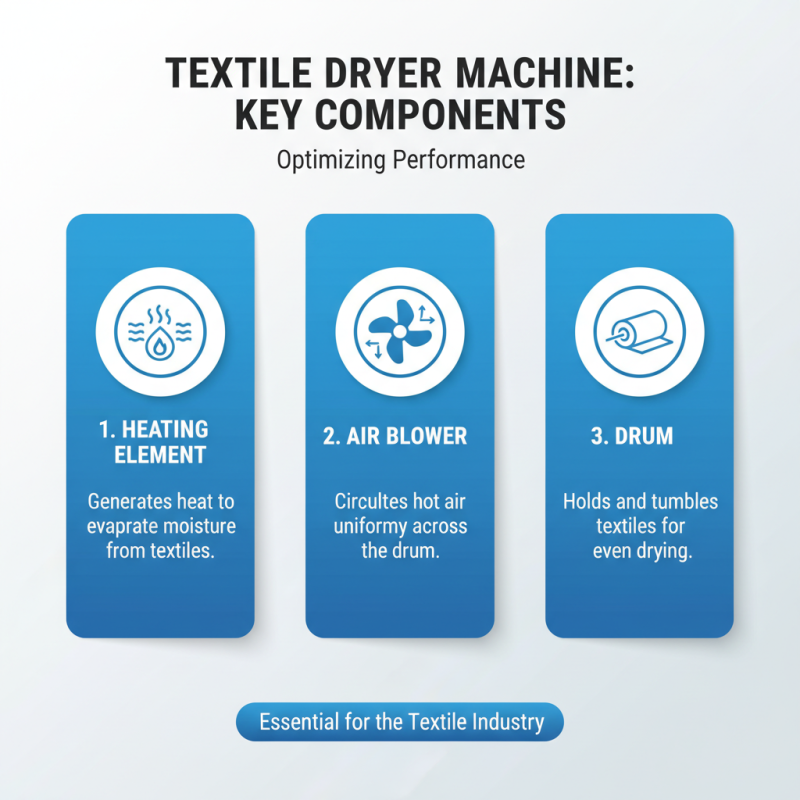
A textile dryer machine is an essential piece of equipment in the textile industry. Understanding its key components helps in optimizing performance. The primary components include the heating element, air blower, and drum. Each plays a crucial role in the drying process.
The heating element warms the incoming air. Reports show that effective temperature control can improve efficiency by up to 30%. An air blower then circulates this heated air throughout the drum. This circulation ensures even drying. However, improper air flow can lead to inconsistent results. Many industry professionals often overlook this crucial element.
The drum holds the wet textiles during the drying process. It rotates, allowing air to permeate the fabrics. Data suggests that maximized drum capacity can reduce drying time by about 15%. Nonetheless, overloading the drum can impede airflow, leading to longer drying cycles. Careful attention to each component enhances the overall performance of the textile dryer. This balance is essential for achieving quality results.
Working Principle of Textile Dryer Machines
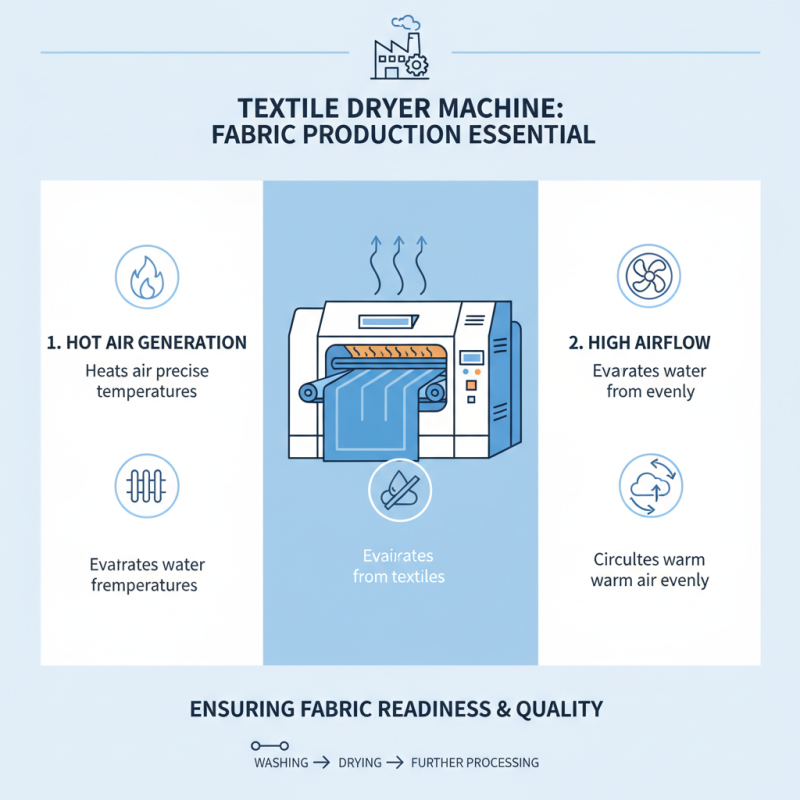
Textile dryer machines play a crucial role in the fabric production process. They remove moisture from textiles after washing, ensuring products are ready for further processing. The working principle of these machines revolves around three main components: hot air generation, moisture removal, and high airflow.
These dryers utilize heated air to evaporate water content. According to industry reports, effective textile dryers can reduce drying time by up to 50%, enhancing overall efficiency. However, achieving optimal moisture removal can be challenging. Improper settings may lead to over-drying, risking fabric integrity and increasing energy consumption. Maintaining the ideal temperature is vital.
High airflow rates help distribute heat evenly across the textiles. This uniform drying minimizes the risk of color fading and ensures consistency in texture. Yet, not all machines achieve the desired airflow efficiency. Variances in design and technology affect performance. Continuous improvement in dryer technology is essential for meeting growing industry demands.
Types of Textile Dryer Machines and Their Applications
Textile dryer machines play a crucial role in the textile industry. These machines come in various types, each tailored for specific applications. Among them, hot air dryers are common for their efficiency in drying material rapidly. These dryers can reduce moisture content significantly, helping to prevent fabric damage.
Another type is vacuum dryers. They work by creating a vacuum environment to lower the boiling point of water. This process minimizes the energy needed and preserves fabric quality. According to a recent industry report, vacuum dryers can achieve moisture removal rates of over 90% in certain textiles. This is a game-changer for manufacturers looking to enhance productivity.
Moreover, infrared dryers provide quick drying through the application of infrared radiation. This technology is growing in popularity due to its energy efficiency. However, it's essential to monitor fabric exposure to avoid overheating. Industry data suggests that improper use can lead to reduced fabric durability. In an ever-evolving market, understanding these dryer types is vital for optimizing textile production.
Types of Textile Dryer Machines and Their Applications
Benefits of Using Textile Dryer Machines in Textile Production
Textile dryer machines play a crucial role in textile production. They efficiently reduce moisture content in fabrics, allowing for quicker processing times.
According to industry reports, textile drying can enhance production efficiency by up to 30%. This improvement results from the ability to handle large volumes of textiles simultaneously.
Implementing textile dryer machines minimizes labor costs associated with manual drying. It also reduces the risk of fabric damage during drying. However, these machines can consume substantial energy.
Some facilities report energy costs constituting 20% of total operational expenses. This calls for careful management of energy use to maintain cost-efficiency.
There are benefits beyond productivity gains. Proper use of textile dryers improves fabric quality. Even slight variations in drying can impact colors and textures. This raises questions about optimal dryer settings for
different types of fabrics. Manufacturers must continually adapt and test their processes. Balancing efficiency and quality remains an ongoing challenge.