Top Textile Fabric Machine Trends for 2026 What to Expect?
As the textile industry evolves, the role of Textile Fabric Machines becomes increasingly pivotal. Renowned expert Dr. Emily Carson, a leading figure in textile engineering, states, "Advancements in fabric technology will redefine our manufacturing landscape in the coming years." Her insight sets the tone for exploring future trends in this dynamic sector.
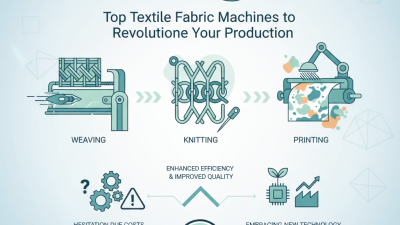
In 2026, we can expect significant innovations in Textile Fabric Machines. Machines will be smarter, integrating AI and IoT for improved efficiency. The focus will shift towards sustainability, with eco-friendly materials gaining prominence. Manufacturers may struggle to adapt to these shifts, proving that change is not always smooth.
Textile Fabric Machines are also likely to witness increased automation. However, this leap could provoke concerns about employment and skill gaps. As we embrace progress, reflecting on these challenges will be crucial. The future promises exciting advancements, yet it is essential to tread thoughtfully. Balancing innovation with responsibility will define the industry’s trajectory.

Emerging Technologies in Textile Fabric Machines for 2026
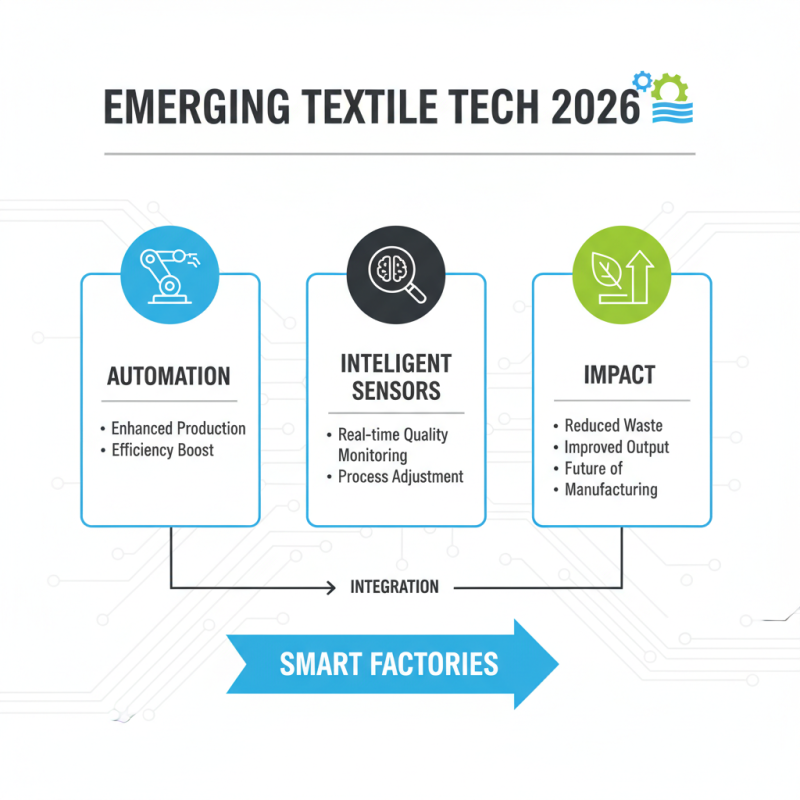
Emerging technologies are shaping the future of textile fabric machines for 2026. Automation is set to play a crucial role, enhancing production efficiency. Machines equipped with intelligent sensors will monitor fabric quality in real time. This will help manufacturers adjust their processes on the fly. Such innovations reduce waste and improve overall output.
Sustainability is becoming a central theme in textile manufacturing. Eco-friendly materials and processes are gaining traction. Machines that conserve water and energy will be sought after. Additionally, innovations in dyeing processes promise to minimize environmental impact. This shift reflects a growing need for responsible production methods.
The integration of artificial intelligence is noteworthy. AI-driven software can optimize machinery operations and predict maintenance needs. This technology reduces downtime and enhances collaboration between machines and human operators. However, the reliance on AI raises questions about compatibility and data security. The landscape of textile fabric machines is transforming rapidly, but challenges remain.
Sustainability Innovations Impacting Textile Machinery Production
As we approach 2026, sustainability innovations are reshaping textile machinery production. Manufacturers face mounting pressure to reduce their environmental footprint. This has led to a surge in developing machines that are energy-efficient and resource-conserving.
Recent trends show a growing demand for biometric textile processing systems. These systems use less water and chemicals while maintaining high-quality fabric output. However, integrating these technologies requires significant investment and training for the workforce, which can be a challenge for many companies.
Another aspect to consider is the lifecycle of textile machinery. Sustainable production means that parts should be easily replaceable and recyclable. Yet, balancing functionality and eco-friendliness is not straightforward. Companies must constantly evaluate their practices to meet the evolving demands of sustainable innovation. The journey towards sustainable textile machinery is complex, and there is still much to learn.
Automation Trends Revolutionizing Textile Fabric Manufacturing
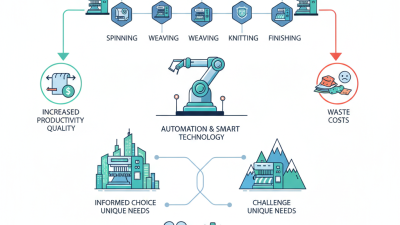
The textile fabric manufacturing industry is rapidly transforming through automation. Advanced machinery streamlines production processes, reducing human error. As we approach 2026, expect innovations to improve efficiency and quality.
Automation helps in precision cutting, weaving, and dyeing. These processes lead to significant time savings. However, companies must balance automation with the need for skilled labor. Some tasks still require a human touch, especially in design and quality control.
**Tip:** Invest in training programs for workers to adapt to new technologies. Encouraging a culture of continuous learning improves job satisfaction. Emphasizing collaboration between machines and workers can harness the strengths of both.
Another aspect is predictive maintenance. IoT sensors monitor machines in real-time. This reduces downtime and increases output. Yet, the reliance on technology raises concerns. If systems fail, they can disrupt the entire production line.
**Tip:** Create a contingency plan to address potential automation failures. Flexibility in workflows can help mitigate risks. Embrace the journey of integrating automation while retaining essential craftsmanship skills.
Top Textile Fabric Machine Trends for 2026
This chart illustrates the anticipated adoption rates of various textile fabric machine trends by 2026. Automation is expected to lead the way with a 70% adoption rate, reflecting a significant shift towards efficiency and productivity in fabric manufacturing.
Consumer Preferences Driving Textile Machine Design Changes
Consumer preferences are significantly shaping the design of textile machines as we look toward 2026. Eco-conscious buyers demand sustainable materials and processes. This shift drives manufacturers to innovate and create machines that optimize resource efficiency.
The rise of personalized fashion adds another layer of complexity. Consumers now seek unique, customizable products. This means machines must adapt quickly to changing trends without sacrificing quality or speed. Integrating advanced technologies, like AI, showcases the industry’s effort to meet these demands.
However, challenges remain. Balancing automation and craftsmanship is a delicate task. Many companies struggle with maintaining product integrity while increasing production rates. As preferences evolve, textile manufacturers must continually re-evaluate their processes. Flexibility will be essential to thrive in this dynamic market.
The Role of Digitalization in Shaping Future Textile Equipment
Digitalization is transforming the textile industry at a rapid pace. Advanced technologies like AI and IoT are becoming indispensable. Manufacturers are increasingly adopting smart textile machines. These machines use data to optimize production processes. Automation reduces human error and increases efficiency. Yet, the reliance on technology raises some concerns.
While digital tools enhance precision, not all players adapt equally. Smaller companies may struggle with these changes. Their resources can limit the adoption of advanced systems. This gap could lead to inequalities in production quality and speed. Companies must address this to avoid long-term issues.
Cybersecurity is another critical area needing attention. Increased connectivity means more vulnerabilities. Protecting sensitive data is paramount for manufacturers. Without robust security, the negative consequences could be severe. Balancing innovation with security is challenging but essential. The future of textile equipment heavily relies on finding this equilibrium.
Top Textile Fabric Machine Trends for 2026 What to Expect?
| Trend |
Description |
Impact on Industry |
Expected Adoption Year |
| Automation |
Increased use of robotic systems in fabric production. |
Enhances efficiency and reduces labor costs. |
2024 |
| Sustainability |
Focus on eco-friendly materials and processes. |
Promotes circular economy and lowers environmental impact. |
2026 |
| Digital Twins |
Virtual models to simulate and optimize production lines. |
Improves decision-making and reduces downtime. |
2025 |
| IoT Integration |
Connecting machines to the internet for real-time monitoring. |
Facilitates predictive maintenance and data analysis. |
2024 |
| 3D Knitting |
Advanced knitting technology for complex textile designs. |
Reduces waste and leads to rapid prototyping. |
2026 |