Top 5 Tips for Choosing the Best Padding Machine Textile?
Choosing the right Padding Machine Textile can significantly impact your production quality. The textile industry demands precision and efficiency. With various machines available, the selection process may seem daunting. Understanding the features and capabilities of different padding machines is crucial.
Quality matters. It’s essential to identify the specifications that align with your operational needs. Factors such as machine speed, ease of use, and maintenance requirements play vital roles. Each machine offers distinct advantages and challenges. Reflecting on your unique production goals can provide clarity in making the right choice.
Selecting a Padding Machine Textile is not always straightforward. Mistakes can lead to costly delays or compromised fabric quality. Therefore, investing time in research is worthwhile. The right machine will streamline your work. It will enhance productivity and reduce waste in the long run. Keep your objectives in focus, and remember that the best choice is one that meets your specific needs.
Understanding the Different Types of Padding Machines Available
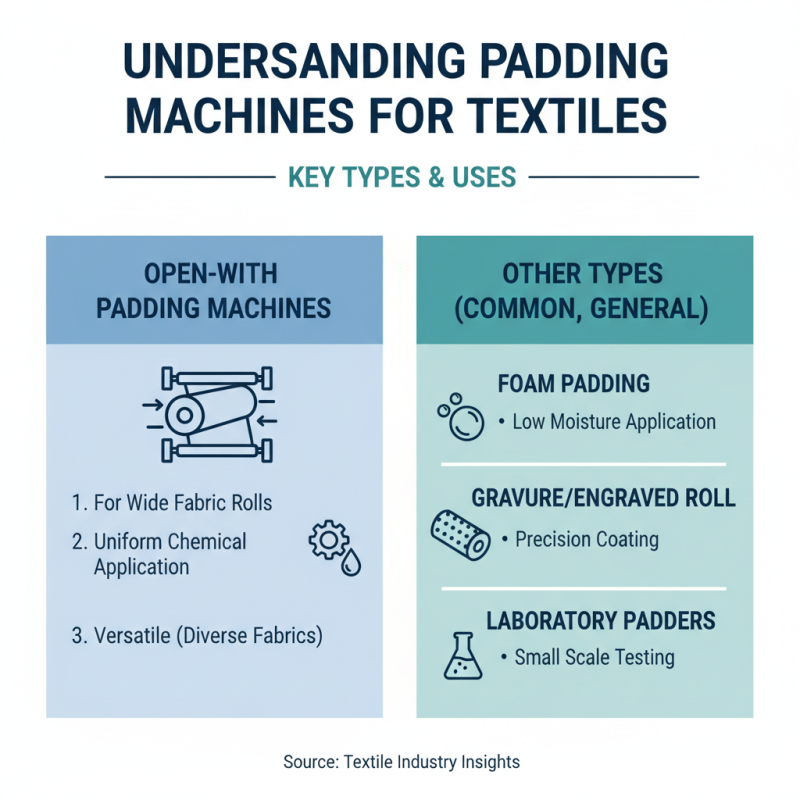
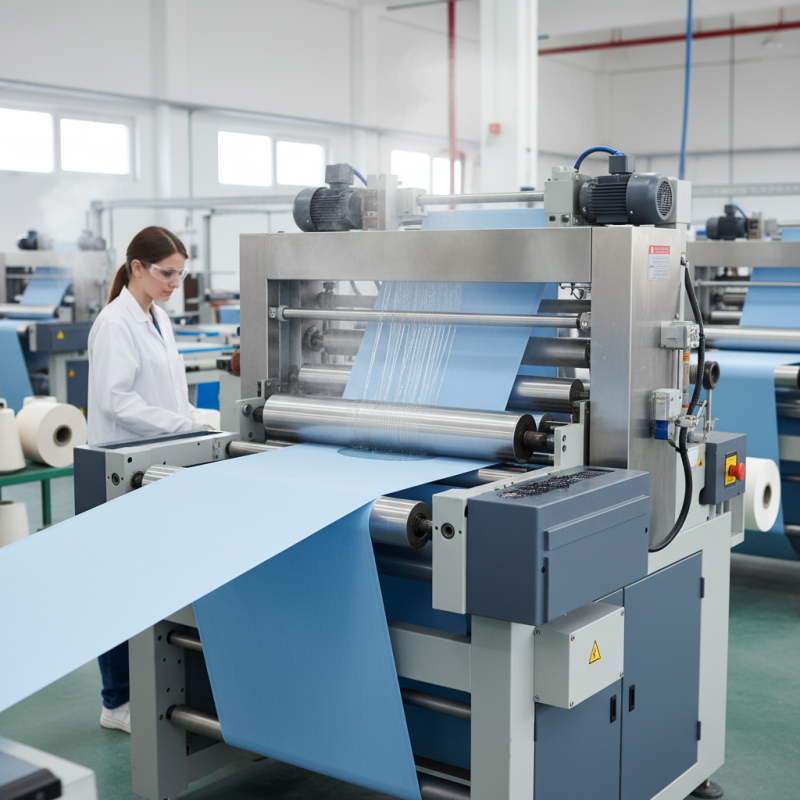
When selecting a padding machine for textiles, it's essential to understand the various types available. Each type serves different needs in the textile industry. For instance, open-width padding machines are suitable for wide fabric rolls. They deliver a uniform application of chemicals and can handle diverse fabric types effectively. This versatility makes them popular among manufacturers.
Then, there are laboratory padding machines. These compact versions allow for testing and development of new products. They help in determining the best padding technique before scaling up. This can save time and reduce material waste, but it requires careful calibration to ensure accuracy.
Another option is the continuous padding machine. It offers a high-speed processing capability. However, this type might pose challenges for operators who are inexperienced. Operators need to adjust settings frequently, and this can lead to errors. Mistakes can result in inconsistent padding, affecting the final product quality. Understanding these nuances helps in making a more informed decision.
Evaluating the Production Capacity of Padding Machines
When evaluating the production capacity of padding machines, several factors come into play. Capacity is more than just the number of pieces produced. It encompasses the machine's speed, efficiency, and the types of materials it can handle. A machine that can process a variety of textiles might offer versatility, but it may not excel in any specific area. Finding the right balance is key.
Consider the speed of the machine in relation to your production goals. Machines with higher speed often come with increased complexity. This can lead to delayed maintenance or operational hiccups. It's essential to analyze whether your facility can handle the technical demands of such machines. Additionally, variable production rates can affect overall output. It’s worth testing a machine before committing to a purchase, ensuring it meets your needs without compromising quality.
Another crucial point is the machine's efficiency in different scenarios. Some machines may perform well under optimal conditions but struggle with less-than-ideal situations. Inconsistent fabrics might reveal weaknesses in padding machines, leading to subpar results. Understanding the potential flaws in machines can help assess their long-term reliability. Moreover, staff training is vital to maximize a machine's production capacity. Well-trained operators can reduce errors and enhance output significantly.
Top 5 Tips for Choosing the Best Padding Machine Textile
| Tip No. |
Tip |
Consideration |
Production Capacity |
| 1 |
Assess Material Compatibility |
Ensure machine can handle required materials. |
500-2000 kg/day |
| 2 |
Check Machine Efficiency |
Evaluate speed and energy consumption. |
100-300 m/min |
| 3 |
Consider Automation Features |
Look for programmable controls and automation. |
Semi-automatic to Fully automatic |
| 4 |
Evaluate Maintenance Needs |
Assess ease of maintenance and parts availability. |
Maintenance intervals 500-1000 hours |
| 5 |
Assess After-Sales Support |
Ensure tech support and training options are available. |
Response time: 24-48 hours |
Assessing Durability and Maintenance Needs of Padding Equipment
When selecting padding machines, assessing durability is key. According to a recent report by the Textile Machinery Association, durability issues account for nearly 30% of equipment failure in the textile industry. Machines with robust construction often have a longer lifespan, reducing unexpected downtime.
Maintenance needs are equally important. Experts suggest that regular inspections can prolong the life of padding equipment significantly. A study showed that equipment maintained at least once a month has a 40% lower risk of major repairs. Simple actions, like cleaning and lubrication, can prevent larger issues. However, many companies overlook these basic tasks due to time constraints.
It's also crucial to consider the availability of spare parts. A machine might seem durable, but if parts are hard to find, repairs can become costly and time-consuming. A survey indicated that over 50% of textile manufacturers experience delays due to spare part shortages. An ideal padding machine should balance durability with manageable maintenance requirements.
Budget Considerations for Purchasing a Padding Machine
When considering the purchase of a padding machine, budget plays a critical role. Industry reports indicate that padding machines can vary significantly in price, from around $5,000 to over $50,000. This range depends on the machine's size, features, and capabilities. Smaller, entry-level machines are often more affordable but might lack advanced features that enhance efficiency.
Investing in a machine that aligns with production needs is vital. For example, if a factory processes high volumes, spending more on automation could lead to long-term savings. A detailed analysis reveals that companies can save up to 20% annually by upgrading to more efficient machinery, according to a recent survey by the Textile Machinery Association.
It’s essential to assess not only the initial cost but also ongoing expenses like maintenance and energy consumption. While a low upfront cost might seem attractive, it often leads to higher operating costs over time. Reflecting on these factors helps avoid financial pitfalls. Scrutinizing warranties and support services also ensures reliable performance in the long run. Making a well-informed choice requires both careful planning and an understanding of the total cost of ownership.
Top 5 Tips for Choosing the Best Padding Machine Textile