Top Textile Processing Machines for Global Buyers in 2026?
The landscape of textile manufacturing is evolving rapidly. In 2026, global buyers will seek cutting-edge Textile Processing Machines that meet their diverse needs. These machines not only enhance productivity but also ensure sustainability in an industry facing significant changes.
Textile Processing Machines play a crucial role in improving efficiency. Advancements in technology promise better precision and faster production. However, challenges remain. Costs and maintenance can strain smaller enterprises. Understanding these dynamics is essential for informed decision-making.
As buyers navigate options, they must consider both innovation and practicality. The right Textile Processing Machine can lead to better product quality. Yet, not all machines yield the desired results. It's a balance of investment versus return, requiring careful evaluation and perhaps some trial and error. Industry expertise will guide companies toward making sound choices for 2026.

Overview of Textile Processing Machines in 2026
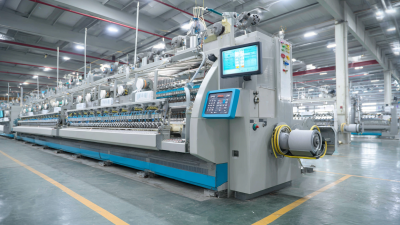
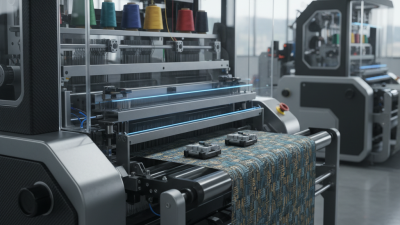
As we look ahead to 2026, the textile processing machinery sector is evolving rapidly. Market research indicates a projected growth of 5.6% CAGR from 2021 to 2026, driven by technological advancements and increased demand for sustainable practices. Innovations like automated weaving machines and digital printing technologies are reshaping production lines. These advancements enhance efficiency and reduce waste, aligning with global sustainability goals.
Tips: Consider investing in machines that offer energy-saving features. These can significantly lower operational costs over time.
Quality control remains a vital focus. The rise of Industry 4.0 emphasizes the integration of IoT and AI technologies in textile processing machines. This can lead to smarter production systems, which help in monitoring defects in real-time. However, transitioning to these advanced solutions requires careful planning and training.
Tips: Regular training for staff on new technologies is essential. It ensures the workforce is equipped for the future.
Data from recent industry reports suggests that buyer preferences are shifting toward machinery that can process multiple materials. This adaptability can help manufacturers meet diverse customer needs while maximizing production capacity. The challenge lies in balancing customization with efficiency. Evaluating machine capabilities against production goals will be crucial for success in this dynamic landscape.
Top Textile Processing Machines for Global Buyers in 2026
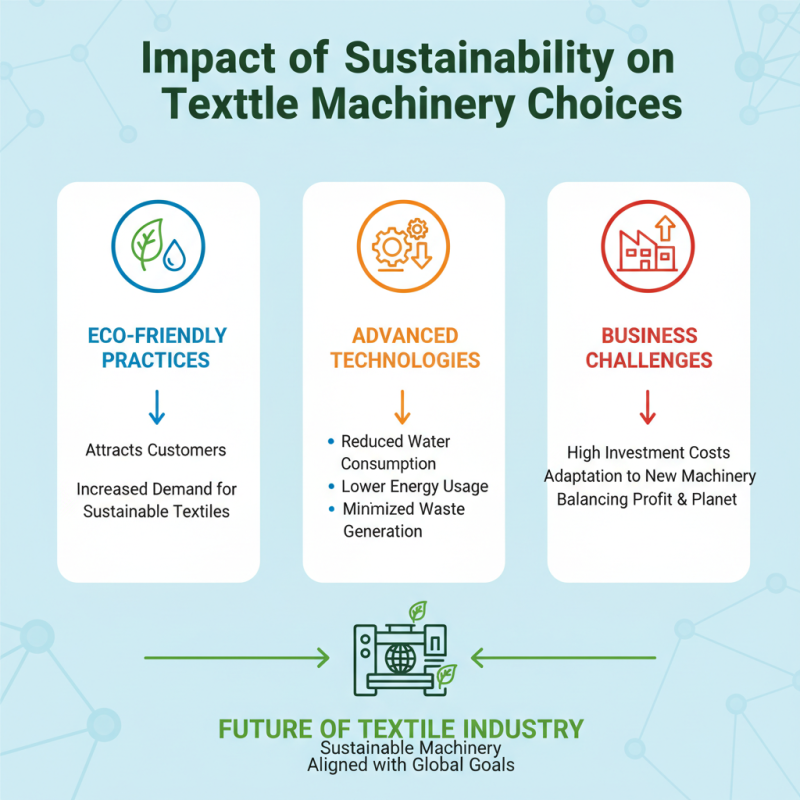
Impact of Sustainability on Textile Machinery Choices
As the textile industry evolves, sustainability is becoming a pivotal factor in machine selection. Manufacturers are increasingly aware that eco-friendly practices can attract more customers. This shift is compelling companies to invest in advanced technologies that reduce water consumption, energy usage, and waste. The machines of the future must align with these sustainability goals, which can prove challenging for many businesses.
Moreover, the push for sustainability often leads to difficult decisions. While eco-friendly machines can be more expensive upfront, the long-term savings are substantial. Companies grapple with balancing initial costs against future benefits. Finding reliable machinery that not only meets environmental standards but also offers efficiency can be tricky. Additionally, many operations need training to seamlessly integrate these new technologies into their processes.
There's also a growing need for transparency in the sourcing of materials and processes used in textile machines. Buyers are now prone to demanding certifications and endorsements that validate a machine's sustainability claims. This relentless quest calls for manufacturers to ensure that their production methods genuinely reflect their sustainable aspirations. The interplay between sustainability and textile machinery continues to evolve, prompting ongoing reflection on what truly constitutes responsible manufacturing.
Market Trends Influencing Global Textile Machinery Sales
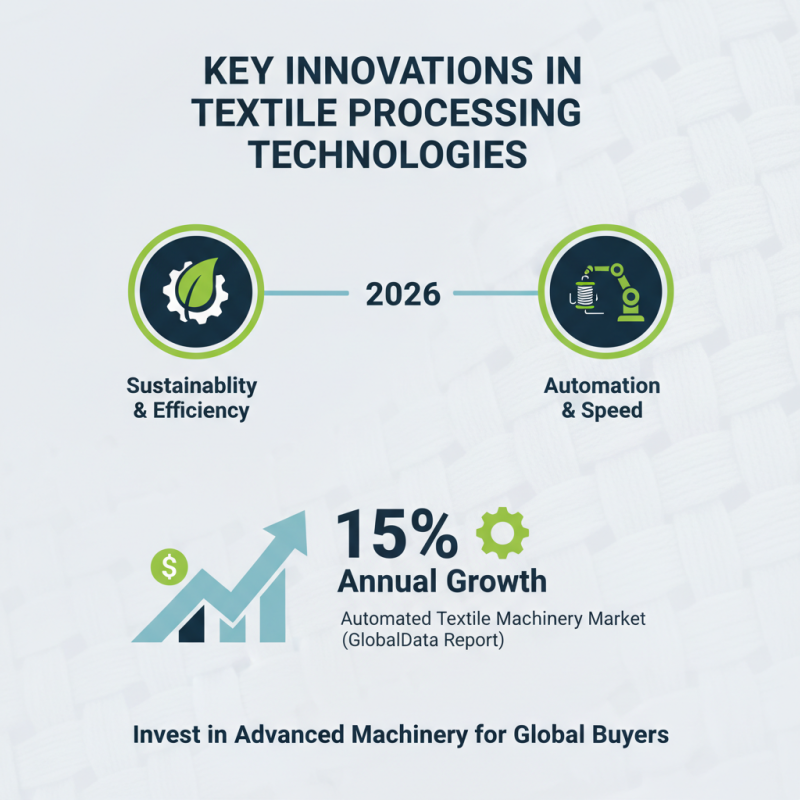
The global textile machinery market is witnessing various influences that shape its future. In 2026, the market is projected to grow, driven by trends in sustainability and automation. According to a recent report by Research and Markets, the textile machinery market is expected to reach $25 billion, with an annual growth rate of 5.6%.
Sustainability is becoming a central concern for manufacturers, leading to the development of eco-friendly machines. Buyers are increasingly looking for technologies that reduce waste and energy consumption. For instance, the adoption of digital printing machines has surged, as they permit precise usage of materials. Furthermore, automation technologies are on the rise. Automated machines streamline production processes, boost efficiency, and are highly sought after by companies looking to enhance output.
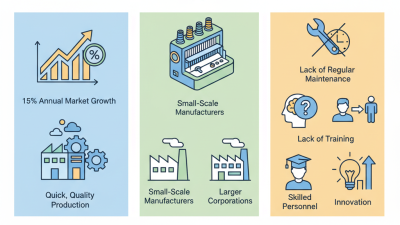
Despite these advancements, challenges remain. The industry faces issues such as skilled labor shortages and high initial investments in advanced machinery. Data from the International Textile Machinery Association indicates that while demand is high, many manufacturers struggle to adapt to rapid technological changes. These factors can sometimes hinder growth despite the promising trends. Buyers must navigate these complexities carefully, balancing innovation with practicality.
Top Manufacturers and Their Leading Products in 2026
The textile processing industry is evolving rapidly. In 2026, several manufacturers stand out due to their innovative products. These manufacturers focus on sustainability and efficiency. They prioritize eco-friendly materials and energy-saving technologies.
Leading manufacturers are developing advanced weaving machines. These machines enable higher production speeds. They also reduce waste significantly. In addition, dyeing machines are becoming more sophisticated. They offer precise color matching and lower water usage. Automation technology is prevalent. It helps streamline operations and minimize labor costs.
Market trends indicate a growing demand for smart machines. These machines utilize data analytics for improved performance. However, the high initial investment can be a concern for many companies. Adopting such technologies requires careful consideration. Cost vs. benefit analysis is critical for success. The industry stands at a crossroads, needing to balance innovation with affordability.