When it comes to selecting a Textile Fabric Machine, understanding the specific needs of your production process is essential. With a myriad of options available in the market, making an informed choice can be overwhelming. Whether you are a small business owner or a large manufacturer, the right machine can significantly impact the quality of your fabric, overall production efficiency, and ultimately your bottom line. This guide will explore the top ten tips to help you navigate through the complexities of choosing the ideal Textile Fabric Machine tailored to your requirements.
Each fabric type demands distinct characteristics from the machinery used in its production. Consequently, it's crucial to consider factors such as the machine's versatility, technological advancements, and maintenance requirements. Additionally, aspects like budget constraints and operational capacity must be factored into your decision-making process. By equipping yourself with knowledge on these subjects, you can ensure that you invest wisely in a Textile Fabric Machine that not only meets but exceeds your production needs, allowing you to stay competitive in an ever-evolving market.

When selecting the ideal textile fabric machine for your production needs, understanding your specific requirements is crucial. Start by evaluating the types of fabrics you’ll be working with, as different machines are designed for various materials such as woven or knitted textiles. This initial assessment will help narrow down your options and ensure you choose a machine that accommodates your fabric types efficiently.
Another essential consideration is the volume of production you anticipate. If you’re looking for high output, prioritize machines that offer speed and durability without compromising quality. Additionally, consider the machine's ease of use; a user-friendly interface can significantly cut down on training time and enhance operational efficiency.
Additionally, assess the maintenance needs of potential machines. Regular upkeep is vital for longevity and performance, so choose models that offer easy access to parts and have reliable customer support. By focusing on these key aspects of your requirements, you can more effectively find a textile fabric machine that will meet your operational goals and improve your overall workflow.
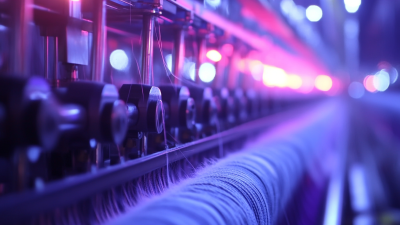
When selecting a textile fabric machine, it is crucial to understand the various types available and their functions. The most common types include weaving machines, knitting machines, and non-woven fabric machines. According to a report by Grand View Research, the global textile machinery market is projected to reach USD 30.56 billion by 2025, growing at a CAGR of 5.3%. This growth is driven by the increasing demand for advanced textile machines that improve efficiency and reduce production costs.
When considering your options, tip number one is to identify the type of fabric you plan to work with. Weaving machines excel in producing durable fabrics, while knitting machines are perfect for stretchable textiles. Tip number two emphasizes the importance of considering production capacity; machines vary widely in output, so choose one that aligns with your business needs. Moreover, it’s essential to evaluate the warranty and customer support services provided by manufacturers, as this can significantly impact your investment's longevity.
In addition, keep in mind tip number three: look for machines that offer advanced technology features, such as automated settings and energy-efficient designs. Research from Mordor Intelligence indicates that automation in the textile industry leads to a 30% increase in productivity. Choosing the right machine with these features not only enhances production but also supports your sustainability goals.
When selecting a textile fabric machine, several key features must be taken into account to ensure it meets your specific needs. First and foremost, consider the machine's versatility. A good fabric machine should handle a wide range of materials, from delicate silks to sturdy denims. This flexibility allows for a more diverse array of projects, enhancing your creative possibilities. Additionally, examine the machine's stitch options; a variety of stitching patterns and techniques can significantly expand your sewing repertoire.
Another crucial feature to assess is the machine's ease of use. Look for user-friendly interfaces, adjustable speed settings, and clear instructions. This is particularly important for beginners who may require more guidance. Furthermore, durability and build quality should not be overlooked; a robust machine can withstand the rigors of frequent use while providing consistent performance. Finally, consider the availability of support and replacement parts from the manufacturer, as this can greatly impact your long-term satisfaction with the machine. By carefully evaluating these features, you can make an informed decision that aligns with your sewing ambitions.
When budgeting for a textile fabric machine purchase, it’s essential to consider various factors that affect costs. The recent boost in budget allocations for the textile sector suggests a growing investment in equipment, which can impact prices and availability. With the textile ministry's allocation potentially rising by 15% for FY26, securing a machine that fits within your budget may become more manageable, but it’s crucial to stay informed about market fluctuations and material costs.
Furthermore, the availability of raw materials at competitive prices remains a significant concern. Higher domestic prices compared to international rates can affect the overall expense of fabric machinery, forcing buyers to carefully evaluate their options. Engaging in thorough market research and keeping an eye on tariff changes can also help stave off unexpected costs, allowing for a more strategic approach to budgeting for your textile fabric machine.
When selecting a textile fabric machine, maintenance and support options should be a top priority. A reliable machine can significantly enhance productivity, but without proper maintenance, even the best equipment can falter. Many manufacturers offer comprehensive service plans that include routine maintenance checks and quick repair turnarounds. Understanding the specifics of these plans is crucial; ask about frequency, services covered, and availability of technicians. This information will help ensure that your machine remains operational, minimizing downtime and improving efficiency.
In addition, consider the availability of spare parts and support services in your area. A machine supplier with a well-established network for parts distribution will save you time and stress in case of emergencies. Some companies also provide online resources, such as tutorials and troubleshooting guides, which can be invaluable for resolving minor issues without needing to call in a technician. Investing time in evaluating these maintenance and support options can lead to better long-term satisfaction with your fabric machine choice.
| Tip Number | Tip Description | Maintenance Requirements | Support Options |
|---|---|---|---|
| 1 | Identify the type of fabric you will be working with. | Regular cleaning and lubrication. | Online tutorials and manuals. |
| 2 | Consider your production volume needs. | Periodic checks for wear and tear. | Customer service hotline available. |
| 3 | Evaluate the ease of use and setup. | Weekly inspections for functionality. | On-site support available upon request. |
| 4 | Research advanced features that enhance productivity. | Daily maintenance log. | Email support with quick response time. |
| 5 | Check user reviews and recommendations. | Monthly technical inspections. | Webinars on machine maintenance. |
| 6 | Ensure the machine has adequate safety features. | Safety training sessions. | Access to a dedicated support team. |
| 7 | Analyze the cost of the machine vs. budget. | Calibrations based on usage. | Flexible warranty options. |
| 8 | Look for energy efficiency ratings. | Annual energy audits. | Online troubleshooting guides. |
| 9 | Assess the machine's technology compatibility. | Upgrade paths for software. | Tech support for software issues. |
| 10 | Evaluate available spare parts and service. | Inventory of critical parts. | Local repair centers listed. |