Leave Your Message
A Mini Textile Machine brings core textile processes into a compact workspace. Depending on its design, it may spin fiber, weave yarn, knit fabric, or support small-scale material testing. Tabletop looms, hand-operated knitting machines, and sample spinning units are common examples. They help students understand how yarn becomes fabric, while giving designers a practical way to test patterns, structures, and material choices. Small does not mean simple. Even a narrow strip of woven cloth can reveal tension problems, uneven yarn, or a pattern that looks different in practice.
The scale of the wider industry gives this small equipment useful context. Textile Exchange’s Materials Market Report 2024 estimates global fiber production reached 124 million tonnes in 2023, compared with 116 million tonnes in 2022. That figure describes fiber production, not demand for mini machines. Still, it highlights why material research and efficient sampling matter. A compact machine can help a workshop make test swatches without running a full production line. A designer might compare two yarns on a small loom; a classroom might observe how stitch density changes a knitted sample. These tools can support learning, prototyping, and limited craft production, but they are not automatic replacements for industrial equipment. Output, speed, and fabric width vary widely by model. Not quite a one-size solution. Before choosing one, consider the process you need, the materials it accepts, and the sample size you can realistically produce. This guide explains what a Mini Textile Machine is used for, where it fits, and what its limits look like in everyday work.
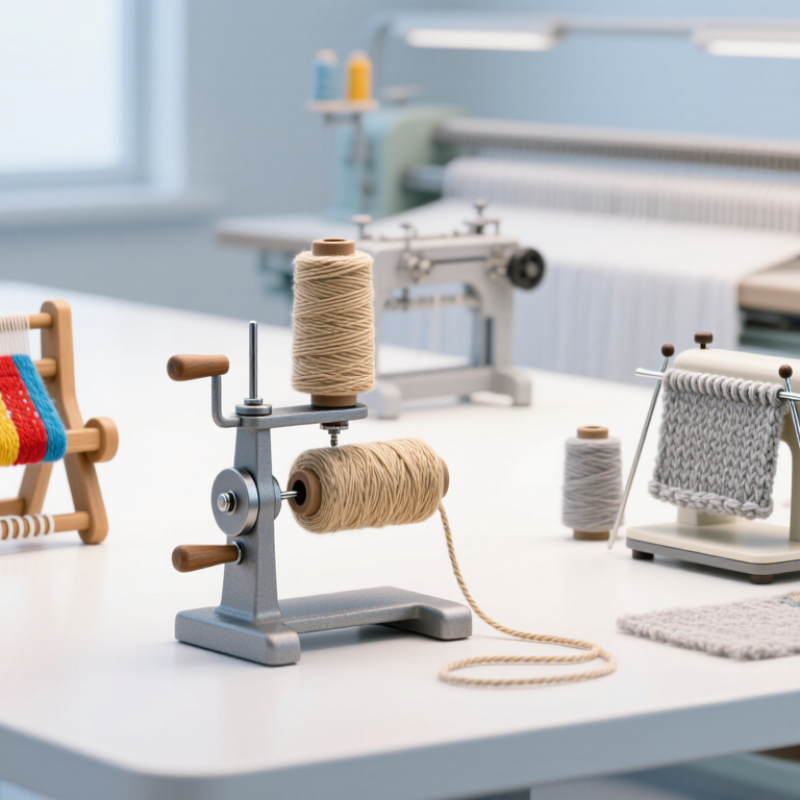
A mini textile machine is a compact device designed to perform a specific textile task, such as knitting, weaving, spinning, or stitching, on a smaller scale than standard production equipment. “Mini” has no single universal size definition. The term usually points to a smaller working area, lower material capacity, or a form that fits on a bench or in a small workshop. A narrow weaving frame, for example, may handle sample strips but not wide fabric rolls. Small footprint.
The machine’s function matters more than its appearance. Check the working width, compatible yarn or fabric thickness, operating speed, and whether adjustments require tools. These details show what the machine can realistically produce. A compact knitting unit may suit swatches, repairs, or short runs, while a miniature loom can help test patterns before larger production. Output may be slower, and manual setup can take patience. That trade-off is easy to underestimate.
A careful buyer or maker should match the machine to the material and the intended result. Thick yarn may jam a narrow feed path; delicate fibers may need lower tension. Read the operating instructions and test with spare material before committing to a finished piece. Small machines can be useful learning and sampling tools, but “mini” does not automatically mean simple or suitable for every textile project.
| Machine Type | What Makes It “Mini” | Typical Uses | Common Materials | Typical Scale or Output |
|---|---|---|---|---|
| Tabletop loom | Compact frame and narrow weaving width; designed to sit on a table or workbench. | Learning basic weaving, making samples, small bands, swatches, and craft projects. | Cotton, wool, linen, and other yarns suitable for hand weaving. | Often produces narrow fabric or samples; width depends on the loom design. |
| Compact knitting machine | Smaller working width and footprint than production knitting equipment. | Making small knitted panels, swatches, accessories, prototypes, and educational projects. | Yarns compatible with the machine’s needle spacing and feed system. | Typically suited to small pieces rather than continuous, high-volume fabric production. |
| Mini spinning machine | Small-scale spinning mechanism with limited batch capacity. | Learning fiber preparation and spinning, testing blends, and producing small quantities of yarn. | Prepared wool, cotton, and other fibers suitable for the machine. | Output is generally measured in small batches, with results varying by fiber and settings. |
| Compact embroidery machine | Smaller embroidery area and lighter-duty construction than industrial equipment. | Personalizing garments, accessories, samples, and small textile items. | Woven or knitted fabrics that can be stabilized for embroidery. | Suitable for small designs; maximum design area varies by model. |
| Small fabric cutting machine | Compact cutting bed or narrow material feed, intended for short runs and smaller pieces. | Cutting textile samples, pattern pieces, appliqué shapes, and craft materials. | Depending on the cutter: fabric, felt, nonwovens, or other supported sheet materials. | Cutting area and material thickness are limited by the specific machine. |
| Mini felting machine | Small working surface and limited processing capacity for localized or sample work. | Creating felt samples, embellishments, small craft pieces, and textile prototypes. | Suitable wool fibers and other fibers specified for the machine. | Best suited to small areas or individual pieces rather than broad fabric production. |
| General-purpose sample machine | Designed for testing a process on a small scale before using larger equipment. | Material trials, process demonstrations, product development, and training. | Depends on the textile process and machine configuration. | Processes small samples or batches; it does not necessarily match full-scale production conditions. |
Definition: “Mini textile machine” is a descriptive term, not a single standardized machine category. It generally refers to compact or small-capacity equipment used for learning, sampling, craft work, prototyping, or limited production. Dimensions, capacity, and compatible materials vary by machine type and model.