How to Use Padding Machine Textile for Efficient Fabric Production?
In the competitive world of textile production, the use of Padding Machine Textile has become increasingly essential. Industry expert Dr. Alan Smith emphasizes, “Efficiency in fabric production starts with the right technology.” His words resonate deeply as manufacturers seek to streamline operations.
The Padding Machine Textile helps achieve uniform application of chemicals, dyes, and finishes on fabrics. This technology enhances quality and minimizes waste. Simple adjustments can significantly impact production efficiency. However, many businesses still overlook the nuances of optimal usage. Common mistakes include incorrect settings and inadequate maintenance. These oversights can lead to inconsistent results and increased costs.
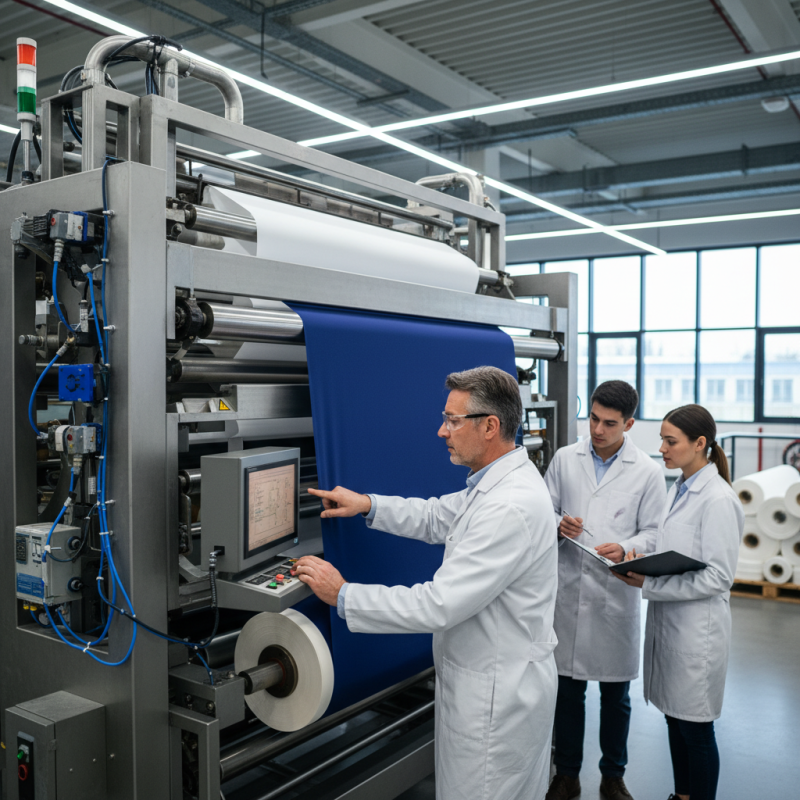
Visualizing the production floor, one might see machines humming steadily, but they require skilled operators. Personnel must understand the technology deeply to ensure optimal use. Misunderstandings in operation can disrupt the entire process. It’s crucial to focus on training and development in this area. Overall, leveraging the capabilities of Padding Machine Textile can lead to improved fabric production, but only if attention is paid to detail and understanding the machine’s potential.
Understanding the Basics of Padding Machines in Textile Production
Padding machines play a vital role in textile production. They are essential for applying liquids to fabrics. This process enhances the fabric's properties, such as color and texture. Padding machines use a roller mechanism, where the fabric passes through rollers that coat it with solutions like dyes and chemicals. This method ensures uniform application across large fabric surfaces.
Understanding how padding machines work is crucial. These machines can vary in design and operation. Some are manual, while others are fully automated. Each has its pros and cons. Manual machines provide flexibility but require more labor. Automated versions increase efficiency but may require skilled operators. It's important to choose the right type for your production needs.
Some challenges can arise during the padding process. Proper setup is essential to avoid uneven coating. Operators must regularly check the solution concentration. If it’s too thick, the fabric can become stiff. If too thin, the desired color may not set correctly. Continuous testing and adjustment are necessary. Not all machines handle every fabric type well. Understanding these nuances can lead to better production quality.
Key Features and Components of Padding Machines
Padding machines are vital for efficient fabric production. Their key components include a padding trough, squeeze rollers, and drying systems. The padding trough ensures even application of chemicals. This process is essential in dyeing and finishing textiles. According to industry reports, using a padding machine can increase production efficiency by 30%. This highlights the importance of modern technologies in textile manufacturing.
The squeeze rollers play a crucial role. They control the amount of liquid left on the fabric. It is essential to adjust the pressure correctly. If the pressure is too high, it can damage the fabric. If too low, it may lead to inadequate processing. Finding the right balance is fundamental for optimal results.
Tips: Always monitor the chemical concentrations. Regular maintenance of the machine is necessary. Identifying signs of wear on components can prevent costly downtime. Each element of a padding machine has its nuances. Understanding these helps in fine-tuning production, leading to better quality fabric. Adapting to these features and providing consistent material input can dramatically enhance the textile production process.
Step-by-Step Process of Using Padding Machines Effectively
Padding machines are vital in the textile industry. These machines help apply chemical treatments to fabrics, enhancing their properties. To maximize efficiency, follow a clear process when using them.
Start with fabric preparation. Ensure the fabric is clean and dry before padding. This step is crucial. Any moisture or debris can affect the treatment process.
Next, select the appropriate chemical solution based on the fabric type. The wrong choice can lead to unsatisfactory results. Adjust the padding machine settings according to the fabric's weight and desired finish.
After setting up, monitor the padding process closely. Check the application rate frequently to avoid over-saturation or under-treatment. Adjustments may be needed, especially with varying fabric types.
Always keep an eye on the output quality. Issues like uneven coating or fabric damage can arise, prompting further adjustments. Regular maintenance of the machine itself is essential, as wear and tear can affect performance. Continuous learning and adjustments can lead to better results in the long run.
Best Practices for Maintaining and Operating Padding Machines
Maintaining and operating padding machines requires attention and care. Regular cleaning is vital. Dust and debris can affect performance. A scheduled maintenance routine should include checks on all mechanical parts. If components show wear, address them immediately. Waiting could lead to bigger issues.
Operators must be properly trained. Misoperation can lead to fabric damage. It is important to understand the machine settings. Adjustments may be necessary based on fabric type. Always follow safety protocols when using machinery. Wear protective gear and be aware of your surroundings.
Despite best efforts, problems will arise. Sometimes, machines may not work as expected. Document these incidents and analyze them later. This reflection can help improve future operations. Don’t hesitate to ask for help or consult manuals. Learning from mistakes is key to efficient production.
Efficiency of Fabric Production Using Padding Machines
Common Challenges and Solutions in Fabric Production with Padding Machines
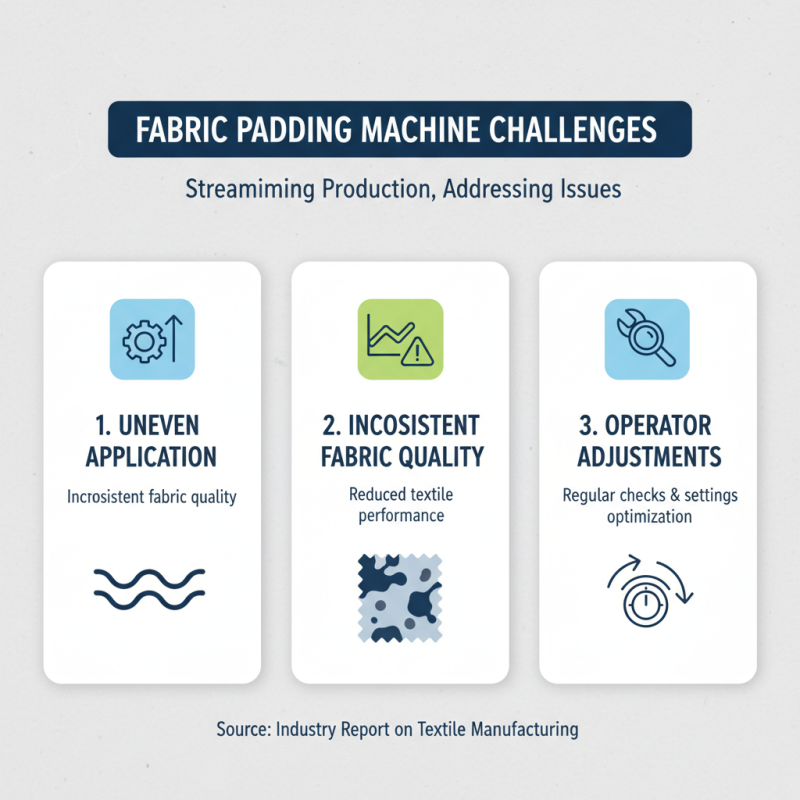
In fabric production, using padding machines can streamline processes. However, several challenges may arise during operation. One common issue is uneven application of chemicals. This can lead to inconsistent fabric quality. Operators must regularly check and adjust settings for optimal results.
Another challenge involves machine maintenance. Padding machines require routine cleaning and calibration. Ignoring this can cause fabric damage. Operators should develop a maintenance schedule, but it often gets overlooked in busy environments. Regular checks can significantly improve efficiency.
Additionally, there can be miscommunication in production teams. Staff members may not fully understand machine settings or fabric requirements. Training sessions can help mitigate these issues, yet they are often inadequately prioritized. Empowering employees with knowledge can lead to better output, but the implementation can be flawed. This creates room for continuous improvement in the production process.