What Is a High Speed Carding Machine?
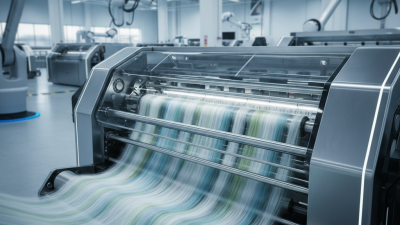
A High Speed Carding Machine is a key preparation system in modern spinning mills. It opens fiber tufts, removes impurities, separates tangled fibers, and forms a consistent web. That web becomes a controlled sliver for subsequent drawing and spinning processes. The machine may appear like a long metal cabinet, but its working zone contains precise flats, cylinders, sensors, and suction points.
Industry investment shows why this equipment matters. The International Textile Machinery Federation reported approximately 8.5 million new short-staple spindles shipped worldwide in 2023, confirming continued demand for efficient fiber preparation. The International Textile Machinery Federation also highlights automation, energy efficiency, and production flexibility as major machinery priorities. Textile Exchange’s Materials Market Report 2024 reported that recycled fibers represented about 7.6% of global fiber production in 2023. That shift creates tougher carding requirements, because recycled fibers often contain shorter lengths and more irregularities.
As textile-machinery specialist Dr. Thomas Waldmann has stated, “The card is the heart of the spinning mill.” The phrase is simple. Its meaning is practical. Poor carding can become visible later through uneven sliver, neps, waste, and unstable yarn quality. A High Speed Carding Machine therefore should not be judged by speed alone. Cylinder speed, wire condition, feed consistency, suction, and maintenance discipline must work together.
Real factories also face compromises. Higher output can increase heat, vibration, fiber damage, or energy consumption. Faster is not always better. This guide examines machine structure, operating principles, performance indicators, maintenance needs, and selection criteria. Some published market figures differ by scope and methodology, so readers should verify supplier claims against tested production data.
Definition and Core Function of a High-Speed Carding Machine
What Is a High Speed Carding Machine?
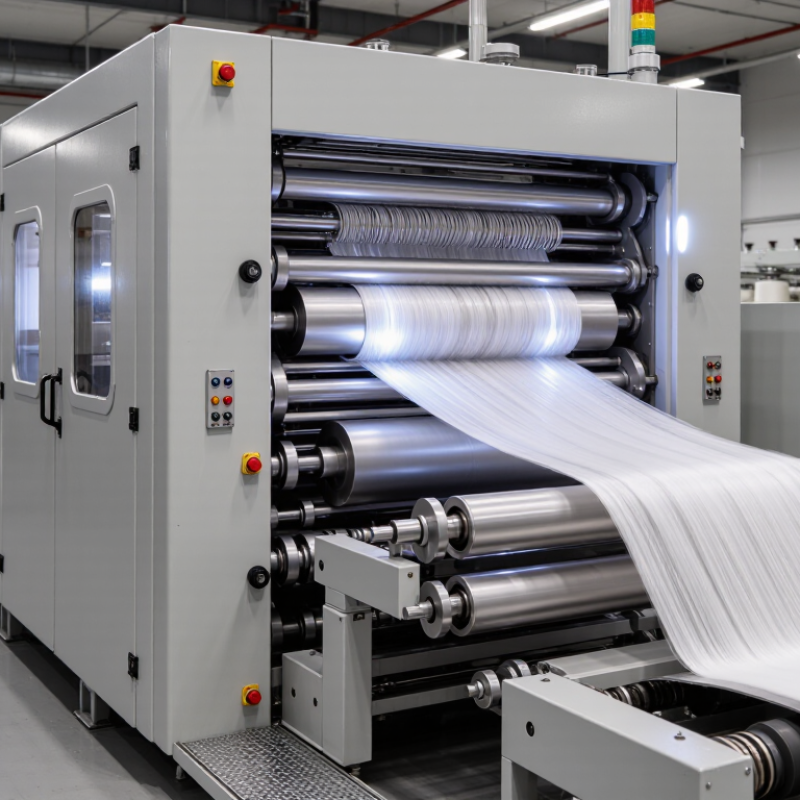
A high-speed carding machine opens, cleans, and aligns textile fibers before spinning. Its core function is fiber individualization. The machine separates compressed tufts into a controlled web. A feed roller delivers the material steadily. A rotating cylinder then carries fibers across the working elements. Flats, wires, and doffer settings remove impurities and improve alignment.
“High speed” does not mean one universal cylinder speed. Manufacturers and mills usually assess production through kilograms per hour, feed rate, cylinder settings, and sliver quality.
The Textile Exchange Materials Market Report 2024 estimated global fiber production at 124 million tonnes in 2023. This scale increases pressure for stable, efficient preparation.
However, faster operation can increase fiber damage, neps, and unevenness. Speed alone is not success.
In practice, operators check sliver linear density, neps count, trash removal, and coefficient of variation. A clean, quiet machine often signals balanced settings, but visual inspection cannot replace laboratory testing.
The ITMF International Textile Machinery Shipment Statistics 2023 reported continued investment in textile machinery despite weaker market conditions. That trend reflects the carding machine’s importance in automated production lines.
Still, every fiber type behaves differently. A setting that works for cotton may fail with recycled or shorter fibers. Careful trials remain necessary. That assumption needs testing.
Main Components and Their Roles in Fiber Processing
What Is a High Speed Carding Machine?
A high speed carding machine separates, cleans, and aligns fibers before spinning. Its performance depends on several coordinated components. The feed chute delivers a steady fiber batt to the licker-in. This opening roller removes large impurities and loosens compacted material. The main cylinder then carries fibers across its surface at high speed. Its wire clothing helps individualize fibers without excessive damage.
The flat bars work against the cylinder, removing short fibers, neps, and remaining impurities. Their spacing requires careful adjustment. A narrow setting may improve cleaning but increase fiber breakage. The doffer collects the aligned web and transfers it toward the sliver-forming unit. Suction ducts control dust and loose fibers around the working zone. Sensors monitor speed, load, temperature, and web consistency. These details matter during long production runs.
Tips: Check wire clothing, feed pressure, and suction flow regularly. Listen for unusual vibration. Small changes can affect sliver quality. Keep maintenance records, even when results seem stable. In practice, settings rarely behave perfectly. Fiber moisture, staple length, and room conditions can change performance. Experienced operators adjust gradually instead of changing several controls at once. That approach makes defects easier to trace and prevents avoidable fiber loss.
How the High-Speed Carding Process Works Step by Step
A high-speed carding machine turns compressed fiber into a controlled, uniform sliver. The process begins with feed preparation. Bales are opened, blended, and metered onto a moving feed table. A pinned roller removes large tufts before the main cylinder receives the fibers. The cylinder carries fibers past flats covered with fine wire points. These points separate tufts, release impurities, and improve fiber alignment. The action is fast, but not careless. Modern delivery rates can reach several hundred meters per minute, depending on fiber type, settings, and quality targets. Textile Exchange’s Materials Market Report 2024 reports 124 million tonnes of global fiber production in 2023. Stable carding matters when small losses multiply across large material flows.
At the taker-in, larger tufts open again before transferring to the main cylinder. A doffer gently removes the thin fiber web. A trumpet condenses it into sliver. Calender rollers compress the strand, while coilers place it into a can with controlled layering. Operators check sliver weight, neps, moisture, waste, and web appearance at regular intervals. Industry quality reports repeatedly emphasize consistency because minor irregularities can become visible yarn defects. The process is not perfectly linear. Excessive speed may increase neps, fiber breakage, or unevenness. In practice, a bright web can still hide poor blending. That is an easy mistake. ITMF’s 2023 machinery shipment statistics also show continuing investment in textile preparation equipment, yet energy use, maintenance, and waste still require honest measurement.
Key Performance Features and Production Advantages
A high speed carding machine separates, aligns, and forms textile fibers into a consistent web at elevated production rates. Its performance depends on cylinder speed, feed stability, carding surface design, and precise fiber control. Modern systems may operate with cylinder speeds above 1,000 revolutions per minute, but speed alone does not define efficiency. Poor settings can create uneven webs, fiber damage, and unnecessary waste.
According to Textile Exchange’s Materials Market Report 2024, global fiber production reached about 124 million tonnes in 2023. This expanding volume increases pressure on mills to improve throughput without sacrificing quality. A well-adjusted carding machine can deliver steadier web weight, fewer production interruptions, and better downstream spinning performance. Automatic monitoring also helps operators detect variations in moisture, feed rate, and web thickness during production.
Energy use deserves attention. The International Energy Agency reports that industrial motors account for a substantial share of global industrial electricity consumption, making motor efficiency important in continuous textile operations. High-speed carding equipment can reduce labor per kilogram and support longer production runs. However, the real advantage appears only when maintenance, fiber preparation, and suction control remain consistent. That is often overlooked. In practice, a slightly slower line may produce more saleable fiber than a faster line with unstable quality. Performance data should therefore include output, waste, energy consumption, and web uniformity, not speed alone.
Common Industrial Applications and Operating Considerations
What Is a High Speed Carding Machine?
Common Industrial Applications and Operating Considerations
A high-speed carding machine opens, separates, and aligns textile fibers into a uniform web or sliver. Its rotating cylinder, worker rollers, and flat elements remove fiber clumps and improve orientation. These machines support short-staple spinning, recycled-fiber processing, and nonwoven production. Common outputs include insulation layers, filtration media, hygiene materials, automotive textiles, and geotextiles.
Demand is substantial. Textile Exchange’s Materials Market Report 2024 states that global fiber production reached 124 million tonnes in 2023. It also projects approximately 160 million tonnes by 2030. This growth increases pressure on carding lines to deliver stable quality with less waste. However, maximum speed is not always the best setting. Excessive speed can increase neps, fiber breakage, heat, and web instability. Recycled fibers require even more care because their lengths and strengths vary.
Tips: Keep feed density consistent, monitor cylinder speed, and inspect wire clothing regularly. Control humidity around the operating zone. Dry air can increase static, while excessive moisture may reduce opening efficiency. Strong dust extraction protects product quality and worker safety. Operators should record sliver weight, unevenness, waste rate, and energy use. Small changes often reveal larger mechanical problems. One practical weakness is relying only on production speed. A slower, balanced setting may produce better yield and fewer stoppages. Regular calibration remains essential, even when the machine appears stable.