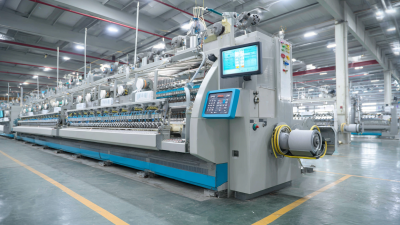
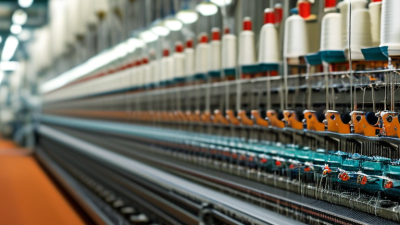
Best High Speed Carding Machine for Efficient Textile Production?
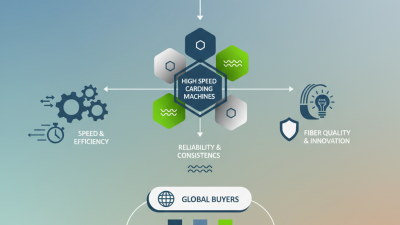
In the textile industry, efficiency and speed are paramount. The High Speed Carding Machine has emerged as a critical component in achieving these goals. According to a report by Smithers Pira, over 70% of textile manufacturers prioritize speed in production. This machine not only enhances productivity but also ensures high-quality fiber processing.
Quality is essential in textiles. A study by Textile World reveals that carding efficiency can impact subsequent production stages. Machines that operate at higher speeds tend to have lower fiber loss, resulting in better yield rates. However, some manufacturers may overlook necessary maintenance, which can lead to performance issues.
Investing in a high-speed carding machine is a strategic move for textile companies. It requires careful selection and ongoing assessment. While speed is crucial, durability and reliability must not be compromised. Companies are challenged to balance these factors for optimal production outcomes.
Types of High-Speed Carding Machines for Textile Production
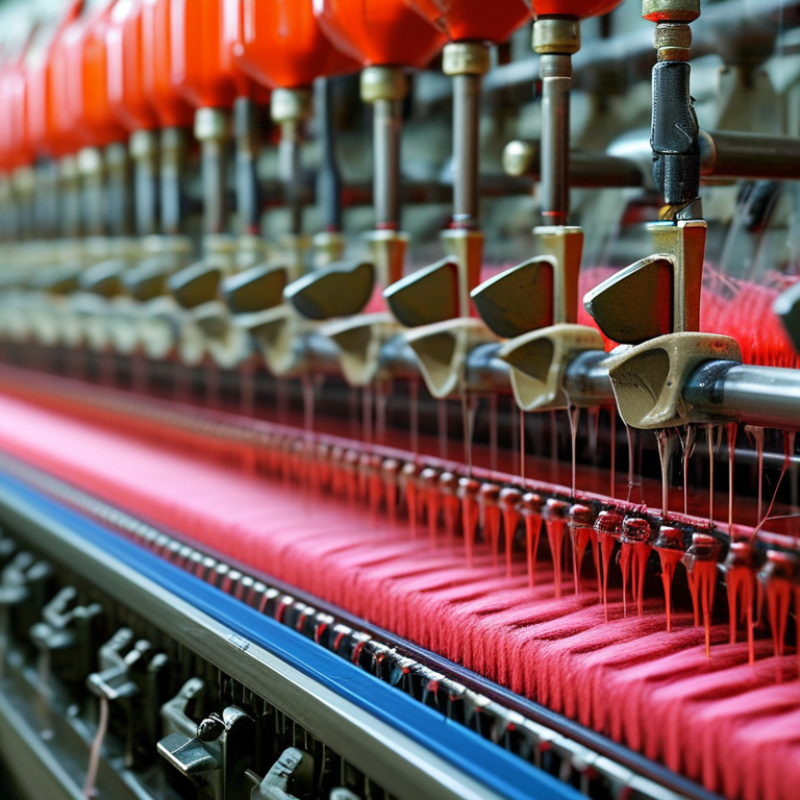
High-speed carding machines are crucial for efficient textile production. They help in processing fibers into a suitable form for spinning. Various types of carding machines exist, each designed to meet different production needs.
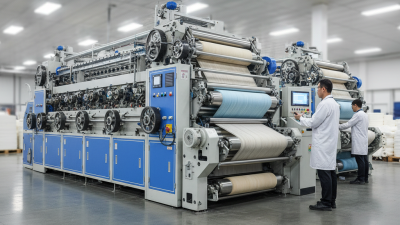
The most common type is the flat carding machine. It uses a series of rollers and wire-covered surfaces to separate and align fibers. This machine offers high output and uniform fiber quality.
Another type is the cylinder carding machine. It features a rotating cylinder that provides a continuous feed of raw materials. These machines are often favored for their speed and efficiency.
Despite their advantages, users must consider maintenance needs. High-speed machines can wear down quickly if not cared for properly. Regular checks on parts and adjustment of settings are necessary. Without proper maintenance, production quality may decline.
Understanding these aspects can help manufacturers make better choices in equipment selection.
Key Features to Consider in High-Speed Carding Machines
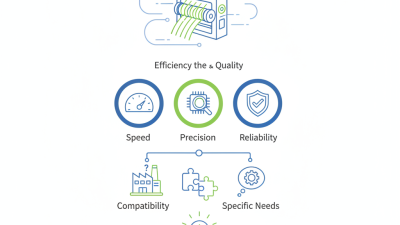
When selecting a high-speed carding machine, several key features stand out. One crucial aspect is the machine's throughput. A higher throughput means faster processing of fibers. This can significantly enhance productivity in textile production. However, ensuring quality is paramount. Sometimes, increased speed can compromise the final product's texture and strength. A balance is essential.
Another important feature is the machine's adaptability. The ability to process various fiber types without adjustments can save time and resources. Look for machines with intuitive controls to facilitate quick changes. However, operators may experience a learning curve, which could lead to initial inefficiencies. Adequate training is necessary for optimal performance.
Lastly, durability shouldn’t be overlooked. Machines constructed from high-quality materials are more reliable and have longer lifespans. Frequent maintenance, however, is sometimes neglected. This can lead to unexpected downtime and increased costs. Regular checks can help mitigate these risks, ensuring a smoother operation. Consideration of these features can lead to better decisions in high-speed carding machine selection.
Advantages of High-Speed Carding Machines in Textile Manufacturing
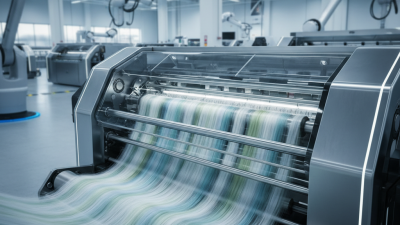
High-speed carding machines have transformed textile manufacturing. These machines optimize the carding process, allowing for higher output in less time. They swiftly blend and untangle fibers, ensuring a uniform feed into downstream processes. This speed directly impacts production efficiency, which is crucial in today’s competitive market.
Utilizing high-speed carding machines can significantly reduce labor costs. Fewer operators are needed, as these machines handle larger volumes. However, not all manufacturers have adapted smoothly. Maintenance challenges can arise due to the increased speed and complexity. Regular checks are essential to prevent downtime.
The quality of output can sometimes vary with automation. There are concerns regarding consistency, which requires careful adjustments. Balancing speed and quality remains a critical reflection for manufacturers. Investing in staff training may mitigate these issues, promoting better machine handling.
Top Brands and Models of High-Speed Carding Machines
The textile industry has seen significant advancements with the introduction of high-speed carding machines. These machines play a vital role in the fiber processing stage, contributing to overall efficiency. According to recent industry reports, high-speed carding machines can increase production rates by up to 30%, significantly reducing the time required to prepare fibers for spinning.
Top brands in the market offer various models designed for different textile applications. Some machines feature advanced technology that enhances fiber quality while maintaining speed. Data from the Textile Machinery Association reveals that these machines can operate at speeds exceeding 1,200 rpm. However, not all high-speed carding machines are equal in performance. Variability in design can lead to differences in output quality. It’s essential for manufacturers to evaluate their specific requirements before choosing a model.
Despite their efficiency, high-speed machines come with challenges. The delicate nature of certain fibers may require adjustments in machine settings. Inadequate handling can result in fiber damage and material waste. Industry experts encourage manufacturers to regularly train staff, ensuring they understand both the benefits and limitations of these machines. This knowledge is crucial for optimizing production and minimizing potential risks.
Maintenance and Care for Optimal Performance of Carding Machines
Maintaining carding machines is crucial for efficient textile production. Regular inspections can help identify issues early. Operators should check for wear and tear on components. This ensures that the machines run smoothly. Dust and fiber buildup is common, and it can affect performance. Cleaning should be a routine part of maintenance.
Lubrication is another key factor in maintaining optimal performance. Proper lubrication reduces friction and wear. It can also extend the lifespan of the machine. Operators must follow guidelines for the type and frequency of lubrication. Ignoring this can lead to costly repairs.
Training staff on the correct use of these machines is essential. Experienced operators can spot potential problems. They can also implement preventive measures. Investing in training can pay off with improved efficiency. Regular maintenance and a skilled workforce create a reliable textile production environment.
Best High Speed Carding Machine for Efficient Textile Production
| Machine Model |
Speed (RPM) |
Production Capacity (kg/h) |
Energy Consumption (kW) |
Maintenance Frequency (months) |
Key Features |
| Model A |
800 |
300 |
35 |
6 |
Automatic Feeding, Low Noise |
| Model B |
900 |
400 |
40 |
8 |
Enhanced Efficiency, Compact Design |
| Model C |
850 |
350 |
38 |
5 |
Easy Maintenance, User-Friendly Interface |
| Model D |
950 |
450 |
42 |
7 |
High Throughput, Advanced Technology |