What is the Best High Speed Carding Machine for Your Needs?
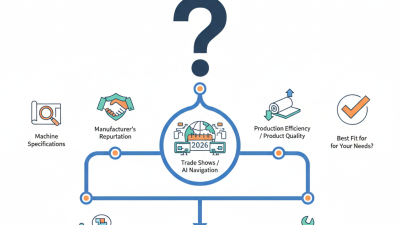
Choosing the right High Speed Carding Machine can significantly impact your production efficiency. Understanding your specific requirements is essential. Not all machines are created equal, and variations can make a big difference in quality and speed.
Many manufacturers offer numerous options, which can be overwhelming. Factors like fiber type and output volume are crucial when selecting the best machine. It’s vital to consider both performance and reliability. A high-quality machine can lead to better product consistency and lower operational costs.
However, it’s not just about features. Real-world performance can vary widely. Some machines may promise high speeds but fall short in practice. Evaluating user reviews and expert insights can provide valuable information. This process may feel tedious, but it’s necessary for making an informed decision on your High Speed Carding Machine.
What to Consider When Choosing a High-Speed Carding Machine
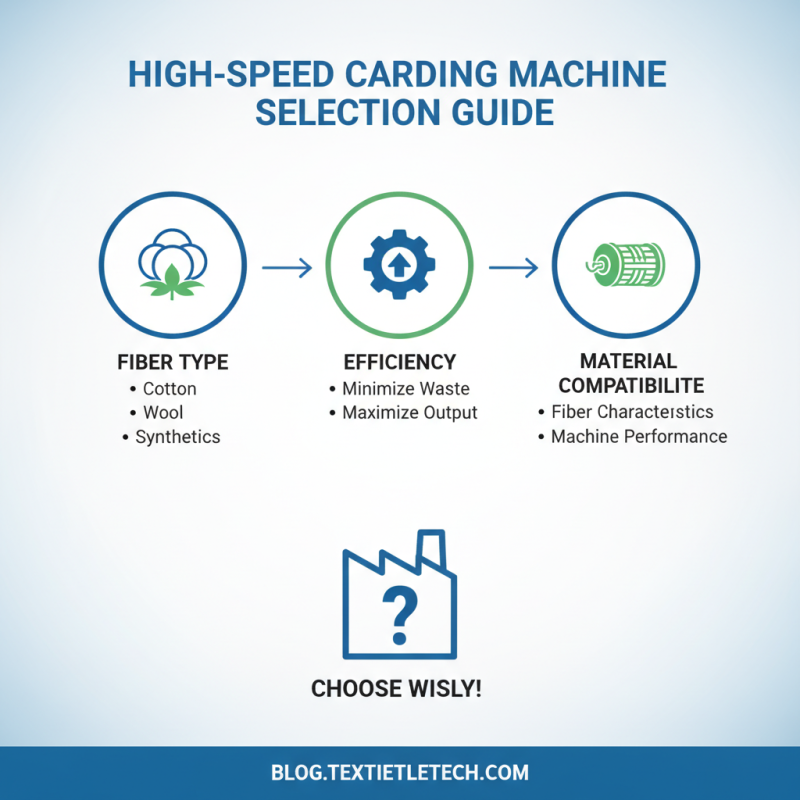
When selecting a high-speed carding machine, several factors come into play. One key consideration is the type of fiber you intend to process. Different machines excel with various materials, whether it be cotton, wool, or synthetic fibers. Knowing the fiber characteristics can help you choose a machine that minimizes waste and maximizes efficiency.
Another important aspect is the machine's capacity and speed. A high-speed carding machine should match your production needs. It is necessary to balance speed with quality. Sometimes quicker output leads to compromised quality. Be mindful of maintenance requirements as well. Regular upkeep ensures the machine operates smoothly and lasts longer.
Finally, consider the technical support and training available with the machine. Although a machine may boast advanced features, inadequate support can lead to operational challenges. Evaluate customer reviews and consult with users to gauge reliability. This real-world feedback is invaluable. In the end, the right machine is not just about specifications; it's about understanding your unique production environment and needs.
Key Features of High-Speed Carding Machines for Optimal Performance
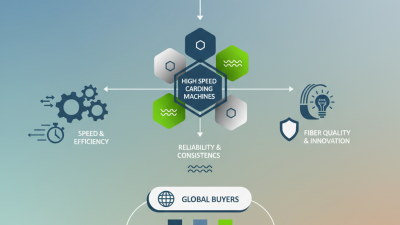
When selecting a high-speed carding machine, key features can significantly impact performance. One important aspect is the machine's production capacity. Industry reports indicate that high-speed models can process up to 1,500 kg of fiber per hour, compared to older models that manage only 600 kg. This increase in efficiency can noticeably affect output in large-scale operations.
Another critical feature is the carding cylinder speed. Machines with advanced technology reach speeds of 1,000 RPM. However, higher speed may lead to fiber damage if not properly managed. Careful calibration is necessary to maintain fiber quality while maximizing throughput. Operator training becomes essential to mitigate risks associated with high-speed operation.
Another consideration is energy efficiency. Recent studies show that modern high-speed carding machines use up to 30% less energy than older versions. This can lead to significant cost savings over time. Yet, it is essential to balance energy use and machine performance. In the quest for high speed, operators must constantly evaluate whether the gains in output justify potential trade-offs in energy consumption and fiber integrity.
High-Speed Carding Machines Performance Comparison
Comparison of Leading High-Speed Carding Machines in the Industry
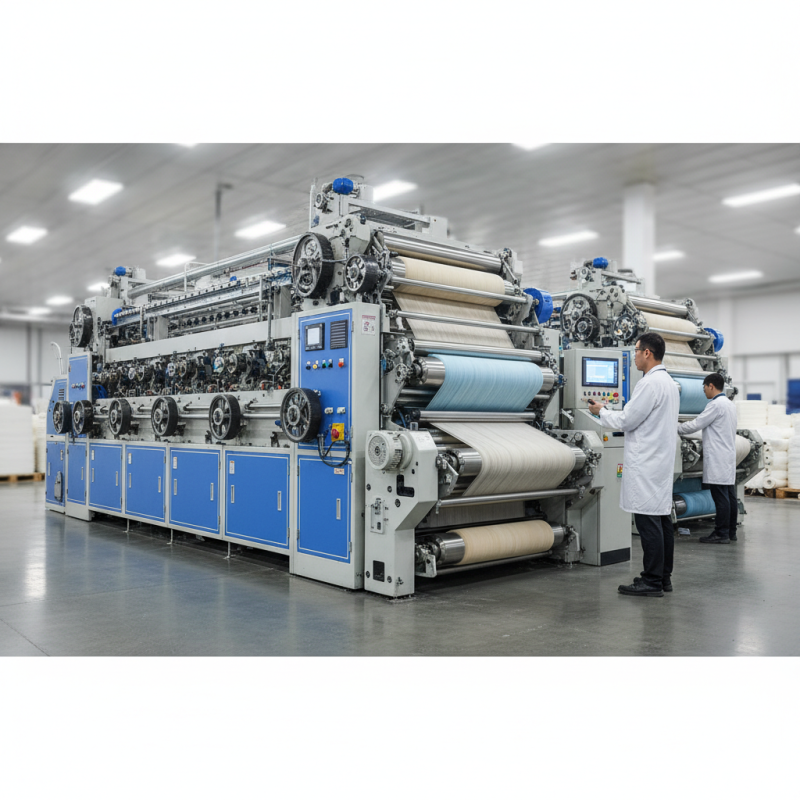
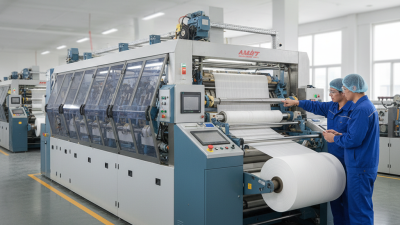
High-speed carding machines are essential in the textile industry. They convert raw fibers into a usable web. When it comes to choosing the best machine, several factors emerge, such as production speed, fiber type, and energy efficiency. Different models may excel in one area but falter in another. It’s a balancing act.
Consider the importance of adaptability. Some machines handle various fibers, while others focus on specific materials. This versatility can be a significant advantage. However, specific features may complicate operation. This can lead to delays in production if operators need extensive training. Operators should be comfortable with the technology to maximize effectiveness.
Maintenance is another critical aspect. High-speed machines require regular upkeep to ensure optimal performance. Neglecting maintenance can lead to mechanical failure and financial loss. Observing machine performance can help identify when tune-ups are necessary. It’s a constant evaluation process. Despite the impressive capabilities of these machines, they aren't infallible. The right balance of features, ease of use, and reliability is crucial for success.
Understanding Production Capacity and Efficiency Metrics in Carding
Choosing the right high-speed carding machine requires an understanding of production capacity and efficiency metrics. In the textile industry, these factors are crucial for maximizing output while minimizing waste. Carding machines play a vital role in fiber processing. A typical high-speed carding machine can process over 600 kilograms of fiber per hour. However, actual capacity may vary based on fiber type and machine settings.
Efficiency metrics are equally important. Studies indicate that a well-optimized carding machine can achieve an efficiency rate of up to 90%. This number reflects the machine's ability to convert raw materials into usable fiber effectively. Factors impacting this rate include the setup, maintenance, and operator skill level. Inadequate training for operators can lead to increased downtime and reduced efficiency.
Additionally, the choice of machine impacts waste levels. High-speed machines can generate more neps, which are small tangled fibers that degrade yarn quality. Reports suggest that reducing these imperfections is essential for maintaining product integrity. Understanding these dynamics will empower manufacturers to select the best carding machine tailored to their specific needs.
What is the Best High Speed Carding Machine for Your Needs? - Understanding Production Capacity and Efficiency Metrics in Carding
| Model |
Production Capacity (kg/h) |
Power Consumption (kW) |
Efficiency (%) |
Price (USD) |
| Carding Machine A |
300 |
45 |
92 |
25,000 |
| Carding Machine B |
250 |
40 |
90 |
20,000 |
| Carding Machine C |
350 |
48 |
95 |
30,000 |
| Carding Machine D |
280 |
42 |
88 |
22,500 |
| Carding Machine E |
320 |
46 |
93 |
28,000 |
The Impact of Technology and Innovations in Carding Machine Design
The design of carding machines has evolved significantly, driven by advancements in technology. Modern machines incorporate sophisticated sensors and automation. This innovation boosts efficiency and precision in fiber processing. Operators now enjoy enhanced control over machine settings, allowing for better quality output.
Despite these improvements, challenges persist. Not all facilities can integrate the latest technologies seamlessly. Older machines may still dominate some production lines. Operators must weigh the costs of upgrading versus maintaining existing systems. Each choice presents unique hurdles and potential setbacks.
Moreover, manufacturers are exploring eco-friendly materials in carding machine design. This focus on sustainability is crucial in today’s market. Yet, implementing greener technologies requires careful thought. Some innovations may not yield immediate benefits.
It's essential for decision-makers to reflect deeply before opting for the latest solutions. Balancing efficiency, cost, and environmental impact demands careful consideration.