Best Textile Making Machines for Efficient Production?
In the fast-evolving world of textile production, efficiency is key. Today's manufacturers seek advanced solutions. According to industry expert Mark Thompson, “The right Textile Making Machine can revolutionize production processes.” This highlights the growing significance of selecting the best machines for optimal output.
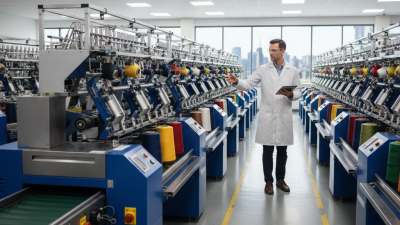
Modern Textile Making Machines integrate cutting-edge technology. They enhance production speed and quality while minimizing waste. For instance, automated weaving machines require less manual labor. Yet, not every textile manufacturer fully utilizes their features. Many still rely on outdated methods that hinder productivity.
It's essential for companies to evaluate their current machinery. Investing in quality Textile Making Machines can lead to significant improvements. However, choosing the wrong equipment can waste resources. Reflection on production needs is vital. Each machine must align with the specific goals of the textile maker. As the industry progresses, staying informed is crucial for success.
Types of Textile Making Machines for Varied Fabric Production
Textile manufacturing relies on various machines designed for specific fabric types. Understanding each type is crucial for efficient production.
Spinning machines are essential in converting raw fibers into yarn. They can process cotton, wool, or synthetics, depending on the design.
Weaving machines, on the other hand, produce cloth by interlacing yarns. There are shuttle and shuttle-less looms available. The choice affects production speed and fabric quality.
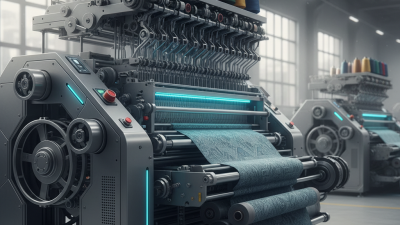
Knitting machines create elastic fabrics, ideal for garments and home textiles. They offer versatility, with options for flat or circular knitting.
Tip: When choosing machines, consider the type of fabric you want to produce. It can greatly influence your operational efficiency. Always evaluate the maintenance needs of each machine. This ensures better uptime and fewer interruptions.
Additionally, it’s wise to reflect on your production scale. If your needs grow, can your machines keep up? Investing in scalable technology may prevent future limitations.
Prioritize quality over quantity; it impacts your brand reputation. Adaptability is key in the ever-changing textile industry.
Key Features to Consider When Choosing Textile Making Machines
When selecting textile making machines, several key features deserve close attention. Efficiency is paramount. Machines should optimize speed while maintaining high-quality output. A well-designed machine can significantly reduce production time. Look for models that integrate smart technology to improve workflow. This added feature can enhance productivity and minimize downtime.
Another important aspect to consider is versatility. A good machine should handle various materials and styles. This adaptability allows manufacturers to respond quickly to changing market demands. However, finding a versatile machine may require careful research. Balancing between specialization and flexibility is a complex decision for many operators.
Cost-effectiveness is also crucial. While some machines have a higher initial investment, they may offer greater long-term savings. Consider energy consumption and maintenance costs. A seemingly expensive option might prove beneficial in the long run. Yet, some machines may not live up to their promises, leading to unexpected challenges. Always seek reliable reviews and insights from industry experts to make informed choices.
Innovative Technologies in Textile Production Machinery
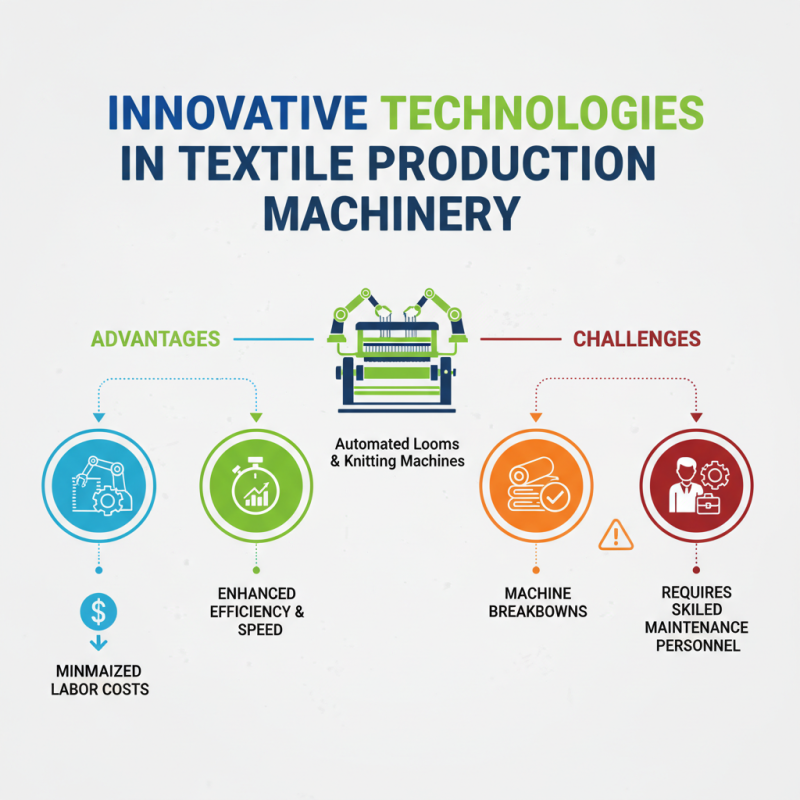
The textile industry is rapidly evolving with innovative technologies reshaping production machinery. Automation plays a crucial role, enhancing efficiency and minimizing labor costs. Automated looms and knitting machines can operate continuously, producing high-quality textiles at a faster rate. However, reliance on technology can create challenges. Machines may break down and require skilled personnel for maintenance.
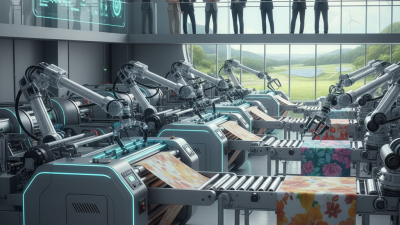
Moreover, advancements in digital printing technology have revolutionized textile design. This technology allows for intricate patterns and vibrant colors, which was once time-consuming. The precision of digital printers reduces waste, making production more sustainable. Yet, the initial investment in such technology can be significant for smaller manufacturers.
Sustainability is becoming a focal point in textile machine development. Eco-friendly materials and processes are essential for the environment. Some machines now use less water and energy. Nevertheless, implementing these innovations requires careful planning. Manufacturers must balance sustainability with production demands. The path to modern textile production is filled with opportunities and obstacles, necessitating constant adaptation.
Cost-Effectiveness and Efficiency of Textile Production Equipment
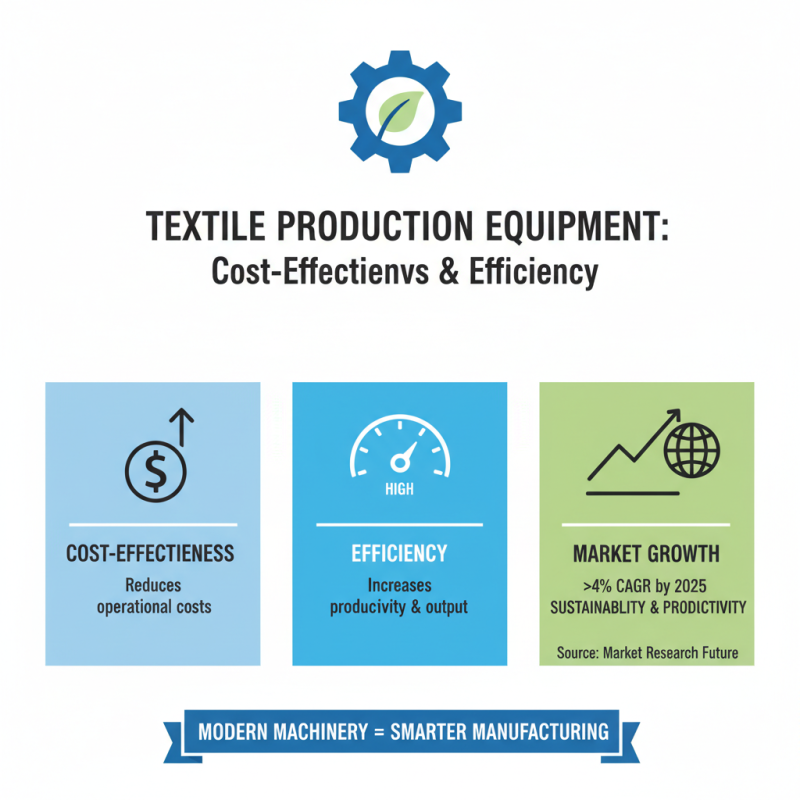
In the textile industry, efficiency is critical. Modern textile production equipment is designed to enhance cost-effectiveness. According to a recent report from Market Research Future, the global textile machinery market is projected to grow at a CAGR of over 4% by 2025. This growth is driven by demand for higher productivity and sustainable manufacturing practices.
Adopting advanced machinery can reduce labor costs significantly. For instance, automated weaving looms can operate with minimal human intervention. This not only cuts labor expenses but also increases output. However, the initial investment can be a barrier for smaller manufacturers. In some cases, outdated technologies still prevail due to financial constraints.
On the other hand, energy-efficient machines contribute to lower operational costs. A study by the Technical Textile Association found that using energy-efficient equipment can reduce energy consumption by up to 30%. While the upfront costs of these machines can be higher, the long-term benefits often outweigh these costs. Balancing initial expenses with operational savings is pivotal for manufacturers aiming to thrive in today's competitive landscape.
Future Trends in Textile Making Machines and Their Impact on Production
The textile industry is undergoing significant changes with the advent of advanced machinery. In recent years, automation and digital technologies have reshaped production processes. Reports suggest that integrating smart machines can boost productivity by up to 30%. This is crucial for meeting growing consumer demands.
Sustainability is also a focal point. A recent study indicates that over 60% of manufacturers aim to adopt eco-friendly practices by 2025. Machinery that minimizes waste and enhances energy efficiency is gaining traction. However, transitioning to high-tech machines poses challenges. The initial investment can be daunting. Many businesses express concerns about balancing cost and innovation.
Moreover, the workforce is impacted. As machines become smarter, the need for skilled labor increases. Training programs are vital to ensure employees adapt. The industry must address potential job displacements while focusing on enhancing skills. Balancing technology with human capability is essential for success.