Leave Your Message
Choosing the best Padding Machine Textile from China requires more than comparing prices or brochure photos. The right equipment must match fabric width, fiber type, chemical formulation, production speed, and finishing accuracy. A machine that performs well on polyester may behave differently with cotton, viscose, or blended fabrics.
Industry demand is substantial. Textile Exchange’s Materials Market Report 2024 estimated global fiber production at 124 million tonnes in 2023. It also projected growth toward 160 million tonnes by 2030. More fabric requires more controlled finishing. ITMF’s International Textile Machinery Shipment Statistics has repeatedly identified China as a major destination and manufacturing hub for textile machinery. However, its public data does not rank every padding machine model. That limitation matters.
Look beyond the sales label.
A reliable evaluation should examine two-roll or multi-roll squeezing performance, liquor pickup stability, fabric tension, drying integration, and operator safety. Ask for measured results, not only promises. For example, a supplier should explain how evenly the machine maintains 65% wet pickup across a 1.8-meter fabric width. It should also provide service records, spare-parts availability, electrical specifications, and commissioning support.
The “best” machine depends on your process. This is easy to overlook. A low-cost unit may appear attractive, yet inconsistent nip pressure can increase chemical waste and shade variation. Conversely, an advanced line may be unnecessary for a small dyehouse. Buyers should request fabric trials, inspect weld quality, verify control-system components, and compare total ownership costs. Chinese manufacturers offer strong value, but quality varies between factories. Careful verification remains essential.
What Is the Best Textile Padding Machine from China?
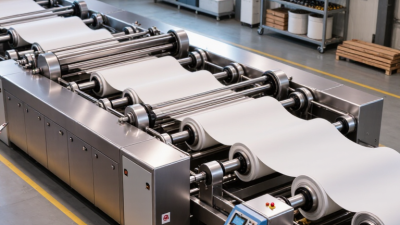
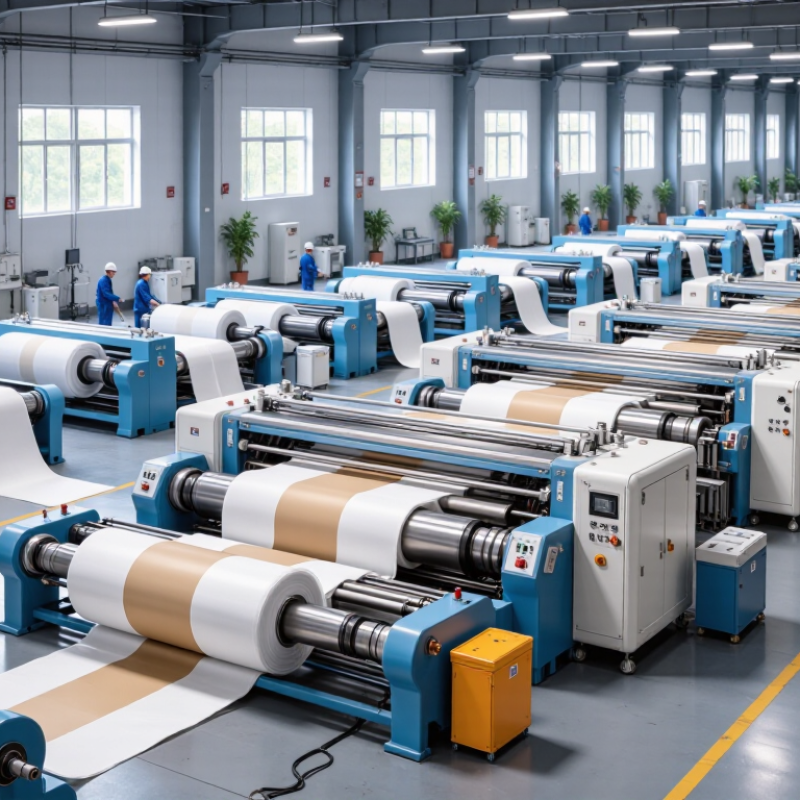
A textile padding machine, often called a padder, applies a controlled liquid treatment to fabric. The cloth passes through a trough, absorbs the solution, and moves between two rollers. These rollers squeeze out excess liquid and create a more even pick-up rate. The process supports dyeing, finishing, softening, water resistance, and other textile treatments.
A reliable machine should provide stable nip pressure, accurate speed control, and easy adjustment for different fabric weights. Stainless steel contact parts help resist chemical corrosion and simplify cleaning. In a practical production trial, measure wet pick-up, fabric width, roller hardness, and drying results. A good supplier should provide technical drawings, operating data, safety documents, and test support. The best textile padding machine from China is not always the most expensive model. It should match your fabric type, chemical formula, working width, and daily output.
Tips: Test your own fabric before ordering. Small changes in pressure can affect shade and hand feel. Check whether the rollers remain parallel during operation. Ask for spare-part lists and maintenance guidance. Do not rely only on catalogue numbers. In practice, the first setting is rarely perfect. Record each trial carefully, because minor adjustments often reveal weaknesses in the process.
| Evaluation Dimension | Laboratory Padding Machine | Batch Padding Machine | Continuous Padding Machine | Recommended Selection Consideration |
|---|---|---|---|---|
| Primary Function | Applies a controlled amount of dye, chemical, softener, resin, or finishing solution to small fabric samples. | Impregnates fabric in a trough and removes excess liquor through one or more squeeze rollers. | Integrates padding with continuous drying, curing, washing, or other finishing operations. | Choose according to production scale, fabric type, recipe accuracy, and required process continuity. |
| Typical Fabric Width | Approximately 200–600 mm. | Approximately 600–2,000 mm. | Approximately 1,600–3,200 mm, depending on the production line. | Working width should be at least slightly greater than the widest fabric being processed. |
| Typical Line Speed | Approximately 0.5–5 m/min. | Approximately 5–30 m/min. | Approximately 20–80 m/min; actual speed depends on fabric construction, chemical recipe, and drying capacity. | A lower speed generally provides better control for delicate, heavy, or highly absorbent fabrics. |
| Production Mode | Sample testing and laboratory development. | Short runs, multiple recipes, and flexible production batches. | Large-volume, repeatable, continuous production. | Batch equipment is usually more suitable for varied orders; continuous equipment is more efficient for stable, high-volume production. |
| Common Fabric Types | Woven and knitted samples made from cotton, polyester, viscose, nylon, blends, and technical fibers. | Woven fabrics, knitted fabrics, nonwovens, and selected technical textiles. | Woven and knitted fabrics, home textiles, apparel fabrics, automotive textiles, and industrial textiles. | Roller design, fabric tension control, and liquor circulation should match the fabric structure. |
| Typical Liquor Pickup | Approximately 50–100% wet pickup, depending on fabric absorbency and roller pressure. | Approximately 50–100% wet pickup for many common textile processes. | Approximately 40–100% wet pickup when the machine is correctly adjusted. | Lower and more uniform pickup can reduce chemical, water, and drying-energy consumption. |
| Squeeze Roller Arrangement | Usually one compact pair of rollers. | One or two pairs of rubber-covered squeeze rollers. | One or more precision-controlled roller pairs, often with pneumatic or hydraulic loading. | The squeeze system should provide even pressure across the full working width. |
| Typical Nip Pressure Range | Approximately 0.5–3 bar, depending on the compact design. | Approximately 1–6 bar, depending on roller diameter and fabric requirements. | Approximately 2–8 bar or an equivalent controlled loading force. | Actual pressure must be adjusted according to fabric thickness, elasticity, absorbency, and desired wet pickup. |
| Liquor Trough Capacity | Approximately 1–10 L. | Approximately 10–100 L. | Approximately 50–300 L or more, depending on line width and circulation design. | A smaller working volume helps reduce recipe waste during sampling and short production runs. |
| Process Control | Manual or basic digital control of speed, roller pressure, and temperature. | Digital control of line speed, nip pressure, liquor level, and selected process parameters. | PLC-based control with recipe management, automatic tension control, liquor circulation, and line synchronization. | For repeatable quality, select equipment with closed-loop control of speed, pressure, and fabric tension. |
| Energy Requirement | Low; usually suitable for laboratory electrical supplies. | Moderate; energy consumption depends mainly on roller drive and downstream drying. | Higher; continuous dryers, steam systems, gas heating, or thermal-oil systems may be included. | Padding itself requires relatively limited energy; drying and curing normally account for a larger share of line consumption. |
| Chemical Waste Control | Very low working volume and low sample waste. | Moderate waste, with practical recovery through liquor circulation and level control. | Potentially low waste per meter in stable production, especially with automatic dosing and circulation. | Look for low-liquor-ratio troughs, accurate level control, easy drainage, and corrosion-resistant wetted parts. |
| Best Application | Color matching, formulation development, research, and quality-control testing. | Small and medium production lots, development orders, and facilities requiring flexibility. | High-volume dyeing and finishing, standardized recipes, and integrated finishing lines. | For most general-purpose textile finishing operations, a well-controlled batch or continuous padding machine is the practical choice. |
| Main Advantages | Low operating cost, small footprint, fast recipe changes, and accurate sample comparison. | Good flexibility, moderate investment, easier maintenance, and suitability for varied fabric lots. | High productivity, consistent treatment, reduced labor per meter, and easy integration with drying or curing equipment. | The best machine is the one that balances width, speed, pickup uniformity, automation, maintenance access, and total operating cost. |
| Important Inspection Points | Roller parallelism, speed stability, sample clamping, control accuracy, and cleaning access. | Roller hardness, pressure uniformity, trough geometry, fabric alignment, safety guarding, and spare-part availability. | Full-width pressure uniformity, automatic tension control, emergency systems, heating efficiency, software support, and line integration. | Before purchase, request a fabric trial using the actual substrate, chemical recipe, target pickup, and production speed. |
| General Recommendation | Best for laboratories and textile development centers. | Best for flexible production with frequent fabric or recipe changes. | Best for continuous, high-volume manufacturing with stable product specifications. | A machine with uniform nip pressure, accurate tension control, corrosion-resistant components, and accessible service parts is generally the strongest overall choice. |
| Note: The figures shown are typical industry ranges rather than fixed specifications. Actual performance depends on fabric construction, fiber content, moisture regain, roller material, nip pressure, chemical formulation, machine width, and downstream drying conditions. | ||||