Leave Your Message
Choosing the best Textile Recycling Machine from China requires more than comparing price tags or motor power. The right choice depends on fiber composition, fabric density, contamination levels, and the intended output. A cotton T-shirt line needs different equipment from a polyester cutting-waste line.
The global need is substantial. The United Nations Environment Programme estimates that the world generates about 92 million tonnes of textile waste each year. Textile Exchange reported global fiber production at approximately 132 million tonnes in 2023. These figures show why reliable recycling equipment matters. They also expose a practical weakness: recycling capacity is growing, but high-quality textile collection and sorting remain inconsistent.
Textile Exchange CEO Claire Bergkamp has stated, “We need to move from a linear system to a circular system.” That principle should guide machinery selection. A strong Chinese supplier should explain opening efficiency, fiber damage, dust filtration, energy consumption, spare-parts access, and actual trial results. Ask for samples, not promises.
Look closely at the machine floor. Can operators clean the blades safely? Does the feeding system prevent fabric jams? Is the recycled fiber still usable after several passes? These details often decide profitability.
There is no universal winner. The “best” Textile Recycling Machine is the one matched to your waste stream, production target, and maintenance capability. Some buyers overlook after-sales service. That may become the most expensive mistake. Reliable performance should be verified through factory testing, documented data, and independent customer feedback.
What Is the Best Textile Recycling Machine from China?
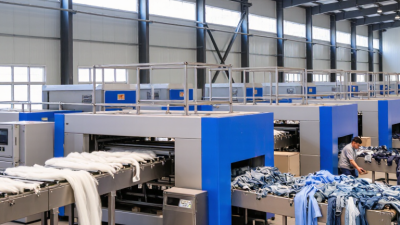
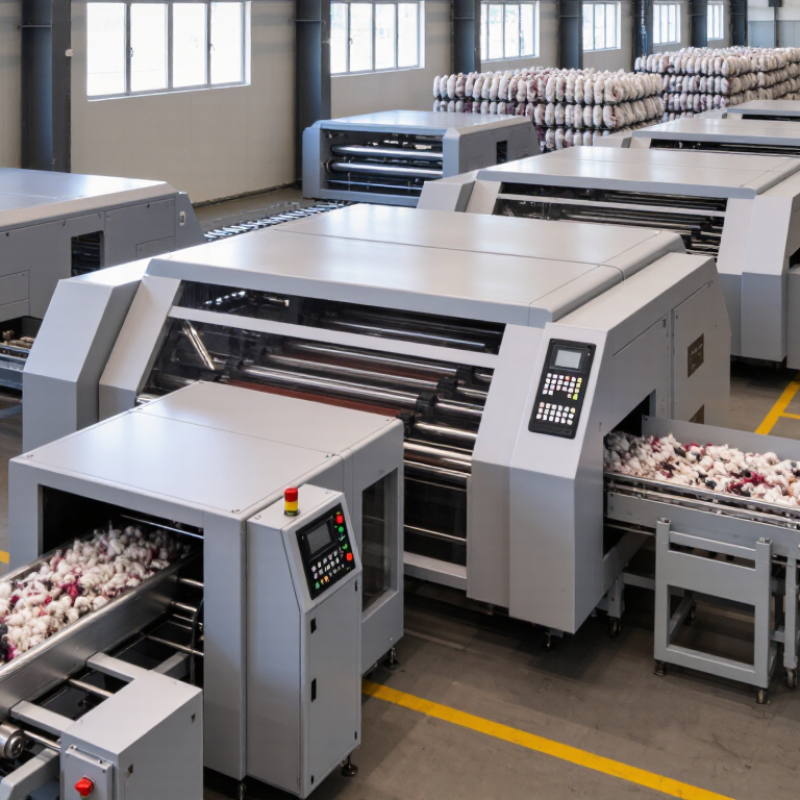
Textile recycling machines from China cover several processing stages. Cutting machines reduce bulky garments into manageable strips. Shredders then separate fabric layers and loosen compacted waste. Garnetting machines open fibers for reuse in yarn, felt, insulation, and nonwoven products. Some lines also include dust removal, magnetic separation, and fiber blending units.
The best choice depends on fiber type, contamination, and the intended output. Cotton-rich waste usually requires gentle opening to preserve fiber length. Synthetic fabrics may need sharper cutting and controlled feeding. A practical line should process zippers, seams, and mixed colors without frequent stoppages. Operators should check feed speed, knife access, dust control, and electrical protection before purchase. Small details matter.
Textile Exchange reported global fiber production at about 124 million tonnes in 2023, with output potentially reaching 160 million tonnes by 2030. This growth increases demand for reliable recycling equipment. China’s machinery sector offers compact units for workshops and continuous lines for larger recycling facilities. Applications include recycled yarn preparation, mattress filling, automotive felt, acoustic panels, and thermal insulation. These machines are not equally suitable. A high-capacity shredder can damage delicate fibers, while a gentle opener may struggle with dense denim. In my view, supplier testing with real waste is essential. Laboratory samples can look perfect. Factory feedstock is rarely so cooperative.
| Machine Type | Primary Function | Typical Feedstock | Main Output | Typical Capacity Range | Common Applications | Important Selection Factors |
|---|---|---|---|---|---|---|
| Textile Cutting Machine | Reduces fabric, garments, and textile waste into more uniform strips or pieces before opening and fiber recovery. | Garment offcuts, woven fabric waste, carpets, used clothing, and bulky textile pieces. | Cut textile pieces prepared for tearing, shredding, or further sorting. | Approximately 100–1,000 kg/h | Pre-processing for recycling lines, recycled stuffing, wiping materials, and nonwoven production. | Cutting width, blade durability, material thickness, feeding method, and protection against metal contamination. |
| Textile Shredder | Breaks large textile items into smaller pieces through rotary cutting or shearing action. | Used garments, fabric rolls, industrial textile waste, carpets, and mixed soft materials. | Shredded textile pieces with a controlled approximate size. | Approximately 200–2,000 kg/h | Material preparation, waste-volume reduction, insulation filling, and fiber-opening lines. | Single- or twin-shaft design, screen size, torque, feed opening, and the ability to handle zippers or seams. |
| Textile Fiber Opener | Separates compressed or cut textile pieces and loosens them into fiber tufts using spiked or pinned cylinders. | Cotton waste, denim scraps, knitted waste, wool blends, and pre-cut garments. | Loosened fiber tufts suitable for cleaning, blending, or carding. | Approximately 100–800 kg/h | Recycled yarn preparation, mattress filling, acoustic products, felt, and nonwoven materials. | Fiber damage, opening intensity, dust extraction, cylinder speed, and compatibility with natural or synthetic fibers. |
| Garnett Machine | Opens textile waste and converts it into fiber through a sequence of feed rollers and toothed cylinders. | Woven and knitted cotton waste, wool waste, denim, polyester textiles, and blended fabric scraps. | Opened recycled fibers with varying degrees of fiber length preservation. | Approximately 150–1,000 kg/h | Recycled yarn, felt, insulation, padding, automotive textiles, and nonwoven products. | Number of cylinders, wire configuration, production speed, fiber breakage, dust control, and blend composition. |
| Rag Pulling Machine | Pulls and tears fabric waste into smaller fiber tufts while reducing the size of textile remnants. | Cotton rags, denim cuttings, knitted scraps, garment waste, and soft textile offcuts. | Partially opened fibers or small textile tufts. | Approximately 100–600 kg/h | Low- to medium-capacity recycling, filling materials, felt production, and fiber-blend preparation. | Feed consistency, tear intensity, fiber length retention, energy use, and ease of cleaning. |
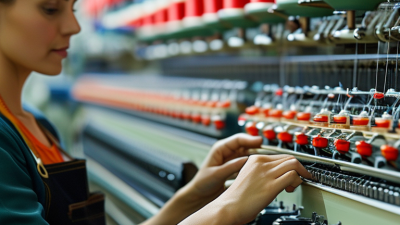
| Textile Carding Machine | Aligns, separates, and further cleans opened fibers to form a more uniform fiber web. | Opened cotton, wool, polyester, viscose, and blended recycled fibers. | Carded fiber web or aligned fiber feed for spinning and nonwoven processes. | Approximately 50–500 kg/h | Recycled yarn spinning, needle-punched felt, thermal-bonded products, and insulation materials. | Working width, wire clothing, fiber length, web uniformity, production speed, and dust removal. |
| Fiber Blending Machine | Mixes different recovered fibers, virgin fibers, colors, or functional additives to achieve a more consistent feedstock. | Recycled cotton, polyester, wool, viscose, colored fibers, and virgin-fiber blends. | Homogeneous fiber blend for carding, spinning, or nonwoven production. | Approximately 100–1,000 kg/h | Recycled yarn, color-matched products, insulation, padding, and engineered nonwovens. | Mixing accuracy, batch size, material density, fiber compatibility, dosing control, and contamination management. |
| Textile Dust and Fiber Separator | Removes dust, short fibers, loose contaminants, and lightweight impurities from opened textile material. | Dusty post-consumer clothing, cotton waste, opened fiber tufts, and production scraps. | Cleaner recycled fibers plus separated dust and waste fractions. | Approximately 100–1,000 kg/h | Improving fiber quality, protecting downstream equipment, and reducing airborne dust in recycling lines. | Airflow control, filter efficiency, fire protection, dust collection volume, and maintenance access. |
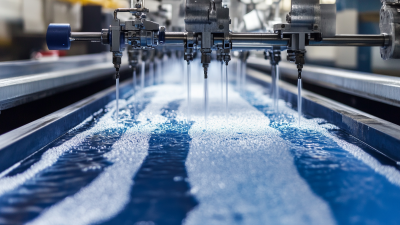
| Textile Washing and Drying Line | Washes contaminated textiles and removes dirt, oils, dyes, and selected chemical residues before drying and reprocessing. | Post-consumer garments, industrial wiping cloths, synthetic textiles, and heavily soiled textile waste. | Washed and dried textile material or cleaned flakes, depending on the process design. | Approximately 300–3,000 kg/h | High-quality recycling, recycled polyester preparation, industrial textile recovery, and plastic-fiber processing. | Water consumption, wastewater treatment, drying energy, detergent compatibility, material shrinkage, and color separation. |
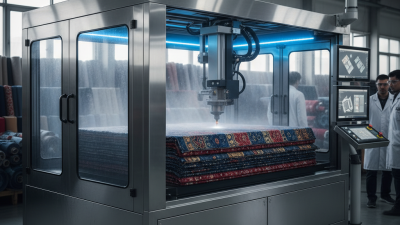
| Nonwoven Production Line | Converts recycled fibers into a web and bonds the web mechanically, thermally, or chemically. | Carded recycled fibers, polyester fibers, cotton waste, wool fibers, and blended fibers. | Felt, padding, insulation, geotextiles, filtration media, or other nonwoven rolls. | Approximately 100–2,000 kg/h | Automotive interiors, furniture padding, mattresses, acoustic panels, construction insulation, and geotextiles. | Web weight, working width, bonding method, tensile strength, fiber blend, energy consumption, and product thickness. |
| Hydraulic Textile Baler | Compresses sorted or processed textile waste into dense bales for storage, transport, or feeding into recycling equipment. | Used clothing, fabric scraps, opened fiber, nonwoven remnants, and sorted textile waste. | Compressed textile bales with reduced storage and transport volume. | Approximately 3–20 tonnes/day | Collection centers, sorting facilities, recycling plants, export preparation, and warehouse handling. | Bale density, chamber size, pressing force, automatic tying, safety interlocks, and compatibility with the material type. |
| Integrated Textile Recycling Line | Combines sorting, cutting, shredding, opening, dust removal, blending, carding, and optional baling in a continuous process. | Pre-sorted post-industrial waste, post-consumer clothing, denim, cotton, wool, polyester, and selected blends. | Recycled fiber, fiber web, nonwoven material, or compressed bales, depending on the configuration. | Approximately 500–3,000 kg/h | Large-scale recycled yarn, nonwoven products, insulation, padding, felt, and industrial textile applications. | Feedstock composition, contamination level, required fiber quality, automation, floor space, dust and fire safety, and lifecycle operating cost. |