China Top Mini Textile Machine Manufacturers?
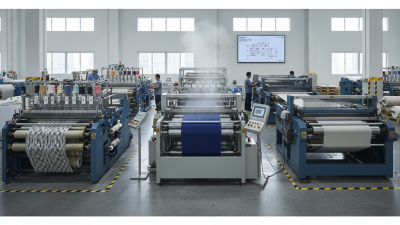
China’s mini textile machine sector serves workshops, schools, sampling rooms, and small manufacturers. These compact machines can reduce floor space and shorten product development cycles. However, choosing a supplier requires more than comparing prices.
Dr. Seshadri Ramkumar, a recognized textile materials expert, once noted, “Innovation matters only when it works reliably in real production.” That practical view fits every Mini Textile Machine purchase. A buyer should inspect spindle stability, motor noise, frame strength, control systems, and spare-part access. A smooth sample run is useful. It is not enough.
This guide examines China’s leading Mini Textile Machine manufacturers through practical criteria. These include manufacturing experience, product specialization, customization ability, quality control, technical support, and export communication. It also considers whether suppliers provide clear manuals, test reports, installation guidance, and responsive after-sales service. Small details matter. A loose belt can distort yarn tension. Delayed replacement parts can stop a workshop for days.
The phrase “top manufacturer” can be misleading. Market position changes. Public information may also be incomplete. Therefore, the assessment should remain evidence-based, not promotional. Buyers should request videos of operating machines, factory references, warranty terms, and sample outputs before making a decision.
Some manufacturers may offer impressive specifications but limited support. Others may look less polished while delivering dependable machines. That difference deserves attention. This introduction sets a practical foundation for comparing China’s top Mini Textile Machine manufacturers with greater confidence, while recognizing that no single supplier fits every production goal.
What Are Mini Textile Machines and How Are They Used?
What Are Mini Textile Machines and How Are They Used?
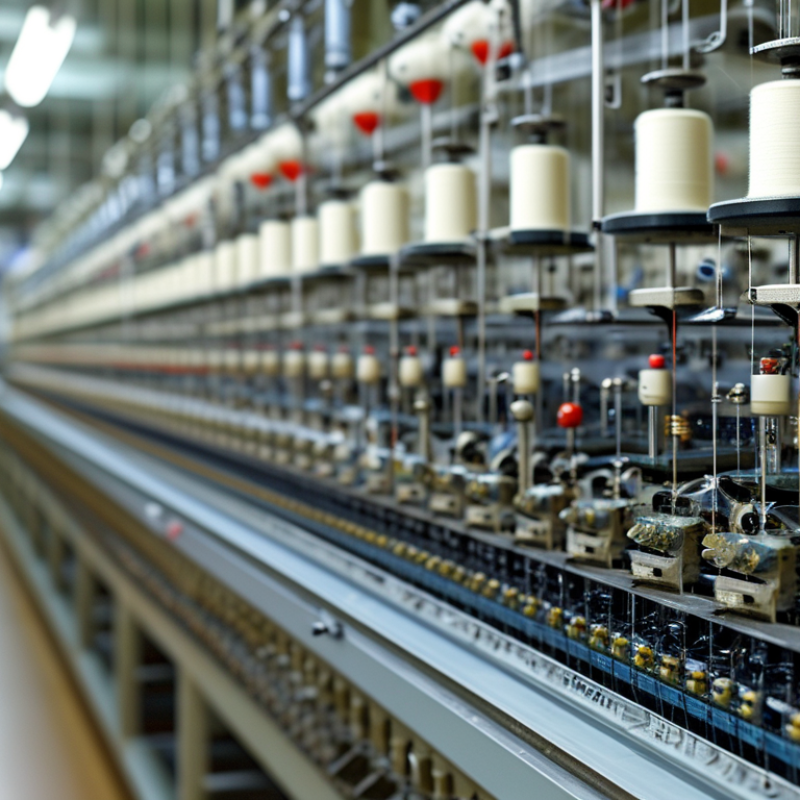
Mini textile machines are compact tools for making, testing, or finishing fabric with limited space and materials. They can include small looms, knitting units, spinning devices, embroidery machines, and fabric sample equipment. Their smaller frames make them useful in classrooms, home studios, laboratories, and developing workshops.
These machines support product trials before larger production begins. A designer may test yarn tension, weave density, stitch size, or color placement on a small sample. Small businesses can also produce short runs, custom patches, simple knitted items, or repair pieces. In practice, mini equipment uses less material and usually needs simpler maintenance. However, output is slower, and some machines cannot handle thick yarn or wide fabric. That limitation matters.
A workshop operator should check machine capacity, motor power, needle size, and adjustment range before purchasing. Guards, stable tables, proper lighting, and clear operating instructions reduce avoidable mistakes. Keep fingers away from moving parts. It sounds obvious, but rushed work often causes poor samples and damaged yarn. My first trial would not be perfect; uneven tension can appear after only a few rows. That result is useful. It shows where training or machine calibration needs improvement.
Tips: Start with inexpensive yarn, record each setting, and inspect the sample under bright light. Clean lint regularly. Test one variable at a time.
Key Factors for Evaluating Chinese Mini Textile Machine Manufacturers
China’s top mini textile machine manufacturers should be judged by evidence, not attractive catalogs. A reliable supplier can show factory records, production photos, and clear machine specifications. Ask how long the company has built similar equipment. Request a live video test with your fabric and yarn. Small machines still need stable tension, accurate feeding, and safe moving parts. I have found that a polished website proves very little.
Technical expertise appears in practical details. Check motor power, working width, speed control, noise levels, and expected output. Ask for a sample report after a continuous test run. The report should include fabric weight, machine settings, and operating temperature.
Confirm whether key components are traceable and replaceable. A vague answer may create expensive delays later. The cheapest quotation is rarely the lowest total cost.
Service reliability matters after installation. Evaluate response times, spare-part availability, remote training, and warranty terms. Request manuals in clear English, with wiring diagrams and maintenance schedules. Check whether the supplier follows applicable safety and electrical requirements for your market. An independent factory inspection can verify staff, equipment, and testing procedures. I would also speak with recent customers, not only provided references. My own evaluation is not perfect; production conditions can change, and one successful sample may hide long-term weaknesses. Keep written records and compare several suppliers using the same checklist.
Leading Types of Mini Textile Machine Manufacturers in China
China’s leading mini textile machine manufacturers are often grouped by the production task they support. Compact knitting machine makers serve small sweater studios, sample rooms, and custom apparel workshops. Their equipment may handle rib, plain, or patterned fabrics, but output depends heavily on yarn quality and operator skill. Some manufacturers focus on mini weaving machines for narrow fabrics, scarves, home textiles, and educational labs. These machines usually need careful tension control.
Another important group produces compact embroidery machines. They support logos, decorative panels, and short production runs. Buyers should inspect needle accuracy, frame movement, software compatibility, and service training. Mini spinning machine manufacturers supply equipment for fiber preparation, drafting, and yarn sampling. This category suits schools, research centers, and small material developers rather than high-volume factories. Small dyeing and finishing equipment makers also serve laboratories that test color, shrinkage, and fabric hand feel.
A reliable Chinese manufacturer should provide clear specifications, test videos, spare-part guidance, and realistic production figures. Ask about motor noise, power requirements, maintenance intervals, and operator training. A low purchase price can become expensive when critical parts are difficult to replace. Compact does not always mean simple. Workshop trials often reveal uneven tension or slower output than advertised. That is not necessarily a failure, but it deserves investigation before ordering. Buyers should request sample production with their own yarn or fabric whenever possible. Local technical support and transparent communication may matter more than an impressive machine brochure.
How Chinese Manufacturers Compare in Quality, Cost, and Customization
China’s mini textile machine manufacturers compete through practical engineering, competitive pricing, and flexible customization. The International Textile Machinery Federation reported 8.61 million new short-staple spindles shipped globally in 2023, despite a 19% annual decline. This weaker market makes Chinese suppliers more willing to adapt compact frames, low-speed drives, and modular control panels for small workshops or testing rooms.
Quality varies widely. Better manufacturers document motor efficiency, temperature stability, vibration levels, and spare-part availability. A compact machine should run steadily for several hours, not only look precise during a demonstration. The International Organization for Standardization emphasizes repeatable testing and documented quality systems, yet certification alone cannot prove daily durability. Factory audits and sample trials still matter. They take time.
Cost is usually attractive because Chinese production benefits from dense component networks and large-scale machining capacity. However, the lowest quotation may exclude installation, software updates, tooling, or replacement sensors. That is a common weakness. Buyers should compare the complete ownership cost over three years, rather than comparing only the purchase price.
Customization is a stronger advantage. Manufacturers may adjust roller widths, yarn paths, voltage, control interfaces, or production capacity. WIPO reported 1.64 million patent applications from China-based applicants in 2023, suggesting substantial engineering activity, although patent volume does not guarantee better textile machinery. A clear technical drawing, acceptance test, and response-time agreement reduce misunderstandings. For mini equipment, small design details often decide whether the machine fits the operator’s workflow.
China Top Mini Textile Machine Manufacturers? - How Chinese Manufacturers Compare in Quality, Cost, and Customization
| Manufacturer Segment |
Typical Mini Machine Types |
Typical Output Capacity |
Typical Export Price Range
(USD, EXW) |
Typical Lead Time |
Quality Consistency |
Customization Capability |
Best Fit |
| Export-Oriented Integrated Manufacturers |
Compact knitting machines, narrow-width looms, small embroidery machines, fabric inspection units |
Approximately 5–80 kg/day or 0.5–30 m/min, depending on machine type and material |
$2,500–$18,000 |
20–60 days |
High |
Medium to high |
Exporters, training centers, small production workshops, and buyers requiring documentation and stable after-sales support |
| Specialized Mid-Sized OEM Manufacturers |
Mini looms, computerized knitting machines, yarn twisting machines, compact heat-setting or finishing equipment |
Approximately 3–60 kg/day or 0.3–20 m/min |
$1,500–$12,000 |
15–45 days |
Medium to high |
High for mechanical and electrical options |
Private-label projects, product development, small factories, and buyers needing modified dimensions or controls |
| Entry-Level OEM and Trading-Integrated Suppliers |
Hand-operated looms, basic knitting machines, small winding machines, manual cutting and pressing equipment |
Approximately 1–30 kg/day or 0.1–10 m/min |
$300–$4,500 |
7–30 days |
Variable |
Low to medium |
Samples, hobby production, vocational training, pilot projects, and cost-sensitive buyers |
| Application-Specific Custom Builders |
Non-standard narrow looms, laboratory textile equipment, recycled-fiber processing units, and sample-making systems |
Approximately 0.5–25 kg/day or 0.1–15 m/min |
$4,000–$30,000+ |
45–120 days |
Medium to high after testing |
Very high |
Research laboratories, textile schools, material developers, and buyers with unusual fabric or process requirements |
| Comparison Dimension |
What Buyers Should Check |
Typical Advantage of Chinese Mini-Machine Suppliers |
Main Limitation or Risk |
| Initial Cost |
EXW price, tooling, software, spare parts, packaging, freight, and installation |
Competitive pricing across manual, semi-automatic, and compact computerized equipment |
The lowest quotation may exclude commissioning, operator training, or critical accessories |
| Quality and Reliability |
Frame rigidity, motor and drive quality, control-system stability, safety guards, and test-run records |
Strong variation in quality makes it possible to select a suitable quality-to-price level |
Component selection and quality-control procedures can differ significantly between suppliers |
| Customization |
Working width, gauge, voltage, language, automation level, fabric type, and production speed |
OEM manufacturing and modular design support many practical modifications |
Non-standard changes may increase engineering fees, testing time, and spare-parts complexity |
| After-Sales Service |
Warranty terms, remote troubleshooting, manuals, spare-parts availability, and technician response time |
Remote video support and replacement parts are commonly available for export orders |
On-site service may be limited outside major export markets and may involve additional charges |
| Compliance and Documentation |
Electrical specifications, user manuals, packing lists, certificates, and destination-country requirements |
Export-oriented suppliers are generally familiar with international shipping documentation |
Certification scope should be verified for the exact model and destination market |
| Overall Value |
Total cost of ownership, energy use, maintenance frequency, output quality, and expected service life |
Good value when the machine specification is matched to the intended material and production volume |
A low purchase price does not always mean the lowest long-term operating cost |
Note: Price, output, and lead-time figures are typical indicative ranges for compact textile equipment and vary by machine configuration, material, automation level, order quantity, testing requirements, and shipping terms.
How to Select the Right Chinese Mini Textile Machine Supplier
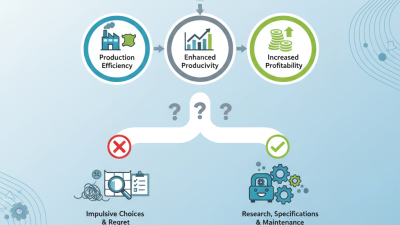
Selecting the right Chinese mini textile machine supplier requires more than comparing online prices. Start by defining the fabric, output, machine size, power supply, and required automation level. A supplier should explain these choices clearly, not push one standard model.
Ask for a working video and a sample made from your own yarn or fabric. Check stitch consistency, noise, heating, control-panel language, and changeover time. Request technical drawings, electrical specifications, maintenance schedules, and spare-parts prices. Reliable manufacturers usually provide detailed documents without hesitation.
Look beyond the factory quotation. Calculate shipping, installation, training, tooling, customs duties, and future repairs. Confirm production capacity through dated workshop images, live calls, or an independent inspection. Ask how warranty claims are handled and how quickly replacement parts can leave the warehouse. Clear written communication matters, especially when measurements or voltage requirements differ.
Small details expose weak preparation.
A supplier that avoids testing may create expensive delays. I would also verify applicable safety and quality requirements in the destination market before payment. This step is easy to overlook. It should not be.
Do not rely only on polished brochures. Compare two or three sample results, record every promised specification, and use a contract with measurable acceptance standards. A slightly higher price may be reasonable when engineering support, stable components, and operator training are included. However, I would still question vague guarantees and unusually low offers.