Why Choose a Mini Textile Machine for Your Business?
Choosing the right production equipment can shape a textile business for years. A Mini Textile Machine offers a practical entry point for workshops, sample rooms, and growing manufacturers. It usually requires less floor space, lower initial investment, and simpler daily handling than larger industrial systems.
It starts small. A compact machine can help businesses test fabrics, refine patterns, and produce limited batches without filling an entire facility. Operators can work beside cutting tables, storage racks, or a small quality-control station. This layout may reduce material movement and improve workflow visibility. However, compact equipment is not a magic shortcut. Its output, fabric width, automation level, and motor capacity still require careful evaluation. Results vary.
Experienced buyers should compare hourly productivity, power consumption, replacement-part availability, and maintenance requirements. A reliable supplier should provide clear specifications, operating instructions, training, and responsive technical support. Certification details and safety features also deserve attention, especially when employees use the machine daily. Speaking with existing users can reveal practical issues that brochures often omit. Noise, vibration, cleaning time, and setup difficulty may influence productivity more than expected.
The best choice depends on your business model. A Mini Textile Machine may suit custom orders, educational production, prototyping, or gradual capacity expansion. It may not satisfy a factory needing continuous, high-volume output. That trade-off matters. Careful testing with your actual yarns or fabrics can prevent costly assumptions. When selected with realistic targets, documented procedures, and regular maintenance, this equipment can support controlled growth while preserving flexibility.
What Is a Mini Textile Machine?
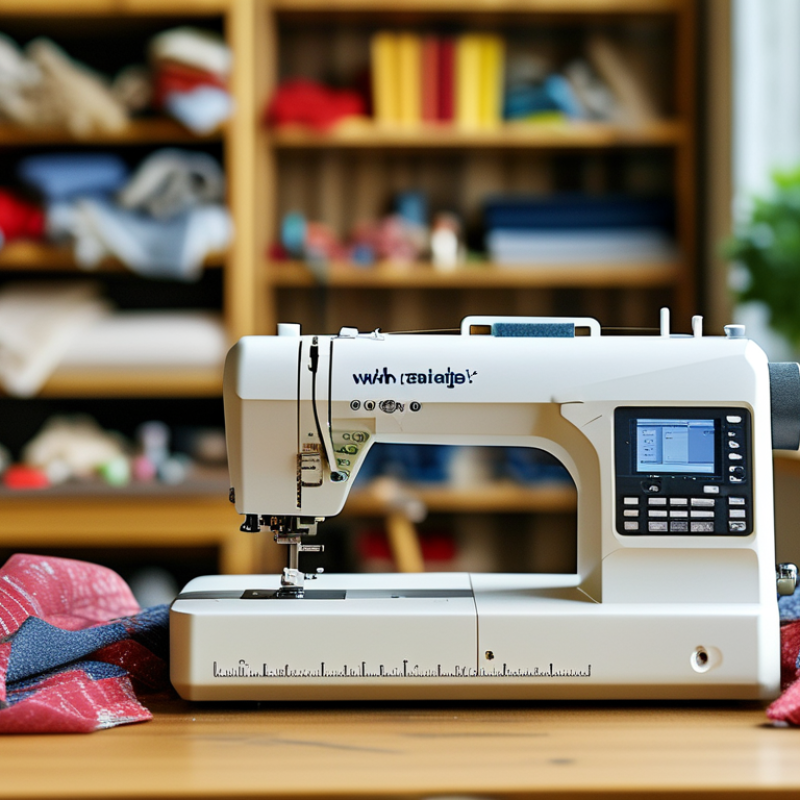
A mini textile machine is a compact device designed to perform one or more fabric-making tasks. Depending on its design, it may knit, weave, spin, embroider, cut, or finish textile materials. Unlike a full industrial line, it usually handles smaller batches and occupies less floor space. A typical unit includes a motor, working head, material guides, controls, and safety guards. Some machines also offer digital settings. The exact structure varies widely.
For a small workshop, this machine can produce samples, short runs, repairs, or customized textile items. It may fit on a sturdy table, but that does not make it simple. Thread tension, needle condition, feed speed, and cleaning affect the final result. Experienced operators know that machine size is only one consideration. It is not a magic solution. Small equipment still needs stable power, suitable ventilation, safety guarding, and regular inspection. Keep hands clear of moving parts.
The word mini can be misleading.
A compact machine is not automatically cheap, quiet, or suitable for every fabric. Thick materials may strain the drive system, while delicate fibers may require slower settings. Before choosing one, review the working width, output limits, maintenance access, spare-part availability, and user instructions. Test materials in small quantities first. Results can vary. That uncertainty deserves attention, especially when a business depends on consistent quality and delivery times.
How Mini Textile Machines Work
A mini textile machine turns yarn into fabric through a compact, controlled sequence. The process begins when yarn passes through a guide and tensioning device. Stable tension matters. Loose yarn can create uneven loops, while excessive tension may cause breaks.
In a knitting machine, needles catch the yarn and form interlocking loops. In a small weaving machine, the warp threads stay lengthwise while the shuttle carries weft yarn across them. A motor, hand crank, or simple control panel moves these parts in rhythm. The fabric then travels toward a take-up roller, where its length becomes easier to monitor. Some machines include sensors that detect yarn breaks or irregular movement.
For a small business, this direct operation can reduce setup space and simplify product testing. Operators can adjust speed, stitch size, fabric density, and yarn type for different samples. A short test run is essential. I have seen how one careless tension setting can distort an entire panel. Mini machines are useful, but they are not effortless. Needles require cleaning, moving parts need inspection, and production records should include yarn type, settings, and defects. It is easy to trust the control panel too much. Careful observation still matters.
Why Choose a Mini Textile Machine for Your Business? — How Mini Textile Machines Work
Typical operating ranges for compact textile equipment. Actual performance depends on material, machine configuration, operator skill, and product design.
| Mini Machine Type |
Main Textile Process |
How It Works |
Typical Power |
Typical Capacity |
Approx. Footprint |
Best Business Use |
| Mini Weaving Loom |
Fabric weaving |
Interlaces lengthwise warp yarns with crosswise weft yarns. A compact shuttle, rapier, or hand-operated mechanism inserts the weft through the raised warp shed. |
Manual to 0.4 kW |
About 1–5 m²/hour, depending on width and fabric structure |
Approximately 0.8–2.0 m² |
Custom fabrics, samples, craft textiles, and small-batch home décor |
| Compact Flat Knitting Machine |
Weft knitting |
Needles form loops from one or more yarns and connect each new loop to the previous row, creating stretchable knitted fabric or shaped panels. |
About 0.2–0.75 kW |
About 0.5–3 kg/hour, depending on gauge and pattern |
Approximately 1.0–2.5 m² |
Small apparel runs, accessories, prototypes, and made-to-order products |
| Mini Spinning Machine |
Fiber-to-yarn spinning |
Drafts and attenuates prepared fibers, then adds twist to bind the fibers into a continuous yarn. |
About 0.2–1.0 kW |
About 0.1–1 kg/hour, depending on fiber type and yarn count |
Approximately 0.5–1.5 m² |
Artisan yarn, recycled-fiber trials, educational production, and product development |
| Single-Head Embroidery Machine |
Decorative stitching |
A programmed needle penetrates the fabric while a hoop moves in the X and Y directions to build a digital design stitch by stitch. |
About 0.1–0.5 kW |
Approximately 400–1,000 stitches/minute |
Approximately 0.8–1.5 m² |
Personalized garments, uniforms, caps, patches, and small branded-product orders |
| Portable Fabric Cutting Machine |
Fabric cutting |
A rotary or straight blade moves through one or more fabric layers along a marked or guided cutting path. |
About 0.2–0.75 kW |
About 5–20 m/min, depending on layers and fabric type |
Approximately 0.2–0.8 m² when stored |
Sample rooms, small apparel workshops, alterations, and short production runs |
| Mini Overlock Machine |
Edge finishing and seam joining |
Multiple threads form interlocking loops around the fabric edge while one or more needles join and secure the seam. |
About 0.3–0.6 kW |
About 4,000–6,000 stitches/minute |
Approximately 0.4–0.9 m² |
Garment repair, knitwear, lightweight apparel, and finishing small production orders |
Why choose a mini textile machine?
Compact equipment generally requires less floor space, lower initial investment, and lower energy consumption than full-scale industrial machinery. It is especially suitable for prototyping, customized orders, training, workshops, and gradual business expansion.
Choosing the Right Machine for Your Production Needs
Choosing the Right Machine for Your Production Needs
A mini textile machine can suit a small workshop, sampling room, or growing supplier. However, compact size should not decide the purchase alone. Match the machine with your fiber type, fabric structure, daily output, and available labor. A machine designed for delicate yarn may struggle with recycled blends or heavier technical fabrics. That failure becomes expensive quickly.
The ITMF’s 2023 International Textile Machinery Shipment Statistics reported weaker global shipments across several equipment categories. This uneven demand suggests a practical lesson: avoid buying capacity that your orders cannot support. Check actual production targets, not optimistic forecasts. Measure output per hour, changeover time, power use, waste, and maintenance access. The Textile Exchange Materials Market Report 2024 states that global fiber production reached 124 million tonnes in 2023. Demand is large, but it is also shifting toward recycled and lower-impact materials. Your machine should handle the materials you can realistically source.
Tips: Request a material trial before payment. Test your exact yarn, tension, and fabric settings. Ask for measured output, energy consumption, operator training, and spare-part lead times. Leave space around the machine for cleaning and repairs. Small details matter. I would also record defects during the first thirty production days. A spreadsheet may reveal problems that sales demonstrations hide. One honest weakness remains: mini machines often sacrifice speed for flexibility. That trade-off may be acceptable, but only when your production plan allows it.