Leave Your Message

2026 How to Choose the Best Automatic Viscose Equipment for Your Production Needs?

Choosing the right Automatic Viscose Equipment is crucial for any textile manufacturer. With the industry evolving rapidly, staying updated is essential. The right machinery not only enhances production efficiency but also impacts quality. Thus, understanding the various factors is key to making an informed choice.

Automatic Viscose Equipment comes in various forms, each with distinct features. These features can significantly affect output and operational costs. Manufacturers must assess their specific needs carefully. It is not just about selecting the latest technology. Consideration of functionality and compatibility with existing systems can often lead to better results.

Investing in Automatic Viscose Equipment requires thoughtful evaluation. Potential buyers should seek advice from industry experts. Engaging with experienced professionals can uncover insights that bullet points may overlook. Gathering opinions and conducting thorough research will help identify the right fit. Each piece of equipment carries its own set of challenges and benefits. Being prepared for potential hiccups is crucial for a smooth production process.
2026 How to Choose the Best Automatic Viscose Equipment for Your Production Needs?

Understanding Viscose Production and Its Equipment Requirements

Viscose production requires specific equipment designed to handle the unique properties of the fiber. Key areas of focus include the spinning, washing, and drying processes. Industry reports indicate substantial fluctuations in production rates, which can reach up to 800 tons per day in high-capacity plants. Thus, selecting the right automatic viscose equipment can significantly impact efficiency and product quality.

When assessing equipment needs, manufacturers should consider factors like fiber quality and production speed. A recent analysis revealed that poorly calibrated machines can decrease output by 20%. Accurate control of temperature and chemical usage is critical during the process. Lack of precision can lead to inconsistencies in fiber quality, resulting in waste and increased costs.

Furthermore, automation offers various benefits, such as improved safety and reduced labor costs. However, over-reliance on technology can lead to significant downtime if faults occur. Training staff to understand equipment limitations and potential pitfalls can mitigate these risks. Reports suggest that companies with thorough training programs yield 15% more productivity per shift. Balancing state-of-the-art technology with human expertise remains essential in achieving optimal results in viscose production.
Key Factors to Consider When Choosing Automatic Viscose Equipment

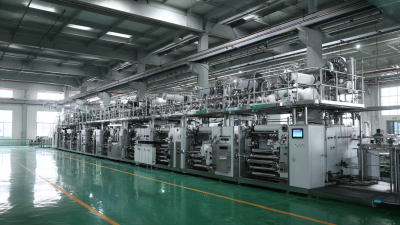
Selecting the right automatic viscose equipment is crucial for optimizing production. Key factors significantly impact your choice. Start with the equipment's capacity. Assess if it aligns with your production scale. If your operation grows, will it sustain future demands?

Next, consider the level of automation. Fully automated systems can streamline processes. However, they require skilled personnel for oversight. Evaluate your workforce’s expertise. A balance between automation and manual control may be necessary.

Quality control features are essential as well. Equipment should consistently maintain fiber quality. Look for options with advanced monitoring systems. These can detect anomalies early.

It’s also wise to think about maintenance. Equipment with complex mechanics may require frequent repairs. Simplified designs can enhance reliability. Balancing these elements can prove challenging. Reflect on your specific needs before making a final decision.

Types of Automatic Viscose Equipment Available in the Market

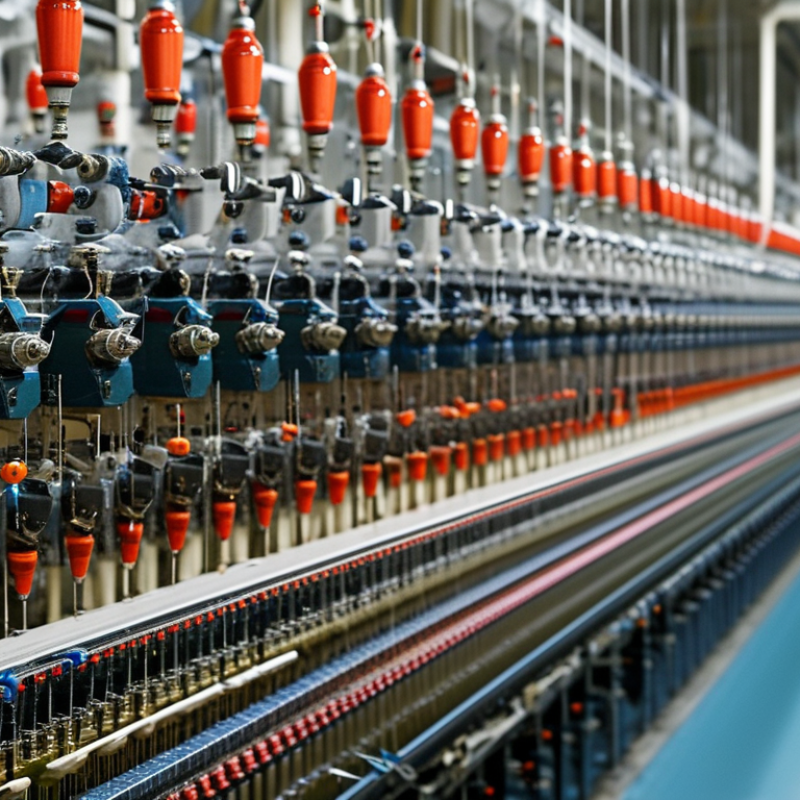
When choosing automatic viscose equipment, it is essential to understand the different types available in the market. Each type has unique features and capabilities. Some machines focus on spinning while others specialize in weaving or finishing. Spinning equipment often creates fibers from raw viscose, making it a vital step for production.

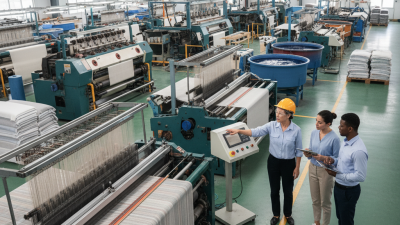
Weaving machines can transform viscose fibers into fabric. These devices have varying degrees of automation. Some high-tech models come with advanced control systems. It's crucial to evaluate the production scale and required output. Not every facility needs the most advanced model. Sometimes, simpler machines perform just as well, depending on the operation.

Finishing equipment adds the final touches to viscose products. It includes dyeing, printing, and various treatments. Selecting the right finishing machine impacts product quality. However, with many options, it’s easy to feel overwhelmed. Researching user feedback can also guide effective decisions. Understanding these nuances will significantly influence your production efficiency.

2026 How to Choose the Best Automatic Viscose Equipment for Your Production Needs?

Type of Equipment Production Capacity (kg/h) Power Consumption (kW) Automation Level Typical Application
Viscose Spinner 200 15 High Fiber Production
Dissolving Pulp Line 150 25 Medium Pulping Process
Viscose Dope Preparation Unit 100 10 High Chemical Mixing
Filtration System 75 5 Medium Purification
Winding Machine 80 12 High Winding Fibers

Evaluating Supplier Reputation and Equipment Reliability

When selecting automatic viscose equipment, supplier reputation and equipment reliability are crucial. According to recent industry reports, almost 70% of businesses cite supplier trust as a primary factor for purchasing decisions. This reflects the market’s demand for quality. Reliable equipment minimizes downtime, ensuring production efficiency.

Industry experts recommend evaluating suppliers based on historical performance data. Look for suppliers with at least a five-year track record. Customer reviews and case studies offer valuable insights. A supplier's transparent communication during the purchasing process is equally important. If they can provide real-world examples of their equipment in action, that's a good sign.

**Tips:** Always request a demo or trial period. This helps assess the reliability of the equipment before making a significant investment. Check if the supplier offers ongoing support and maintenance. A reliable backup plan can save costs in the long run. Searching for certifications and compliance with industry standards also enhances confidence in your choice. Remember that a well-researched choice today can lead to higher productivity tomorrow.

2026 Best Automatic Viscose Equipment Evaluation

Cost Analysis: Balancing Price and Quality in Equipment Selection

When selecting automatic viscose equipment, cost analysis is crucial. Balancing price and quality can shape production efficiency. According to the Textile World 2022 report, 60% of manufacturers report equipment costs as a primary concern. Finding the right balance can drive overall production success.

Quality equipment often comes at a higher initial investment. However, low-cost options may lead to increased maintenance costs. A 2021 survey by the International Textile Manufacturers Federation found that 40% of companies experienced higher operational costs due to inefficient machinery. This highlights the need for careful consideration.

Investing wisely requires a detailed analysis of potential returns. Look into longevity and reliability. Cheaper models may require frequent repairs, impacting profitability. The challenge lies in knowing when to invest in high-quality machinery versus when to opt for budget options. Each choice impacts production timelines and operational capacity. Taking time to reflect on these factors is essential for long-term gains.