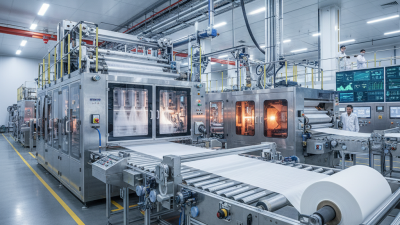
Automatic Lyocell Equipment supports the precise steps behind modern lyocell production, from dope preparation and fiber spinning to washing, drying, and solvent recovery. Each stage places different demands on machinery. A spinning line, for example, must manage stable extrusion through fine spinnerets, while recovery systems need to handle process solvent efficiently. Small design choices can affect fiber consistency, energy use, and maintenance needs.
This guide introduces ten manufacturers active in the global market and outlines factors buyers can compare: equipment range, automation, process integration, technical support, and experience with production-scale lines. A detailed review should look beyond catalog images. Ask about throughput assumptions, control-system compatibility, commissioning, spare-parts access, and performance data from comparable installations. These details help distinguish a complete production solution from a collection of individual machines. There is no perfect shortlist. Public information varies, and manufacturer capabilities can change over time; buyers should verify current specifications directly and request references where possible. The right choice depends on plant capacity, product requirements, local service, and investment priorities. That takes careful checking.
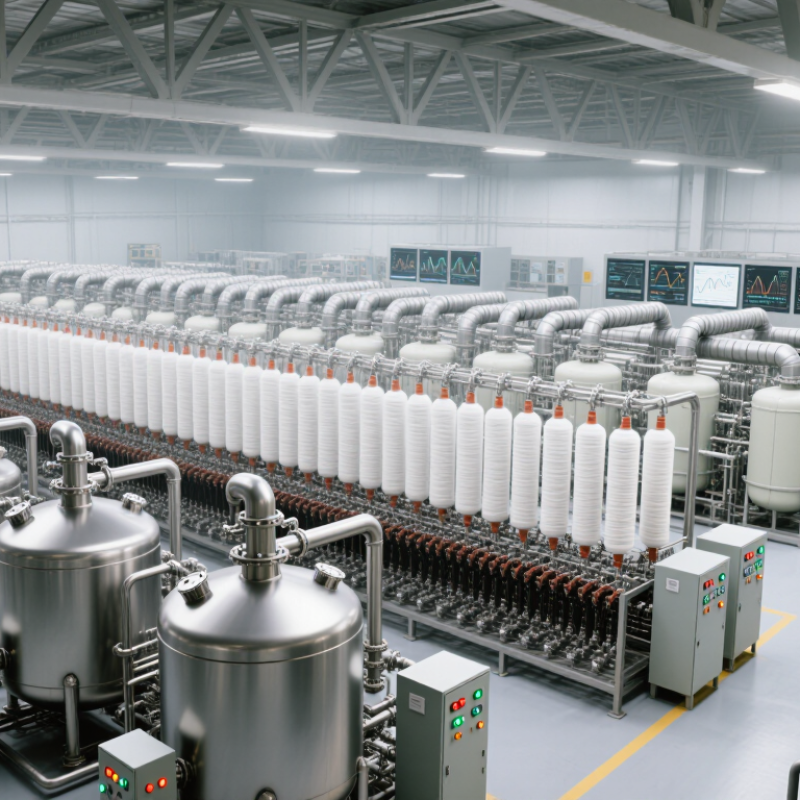
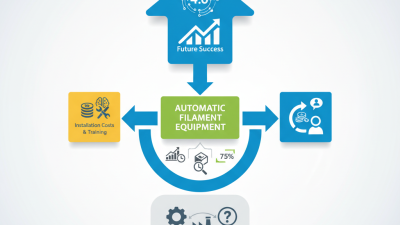
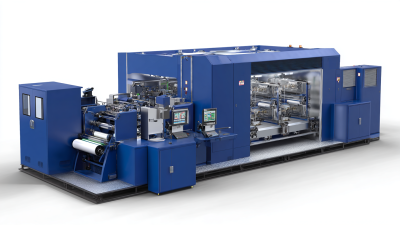
Automatic lyocell equipment covers the full route from dissolving cellulose pulp to winding finished filament. A typical line includes pulp feeding, solvent mixing, filtration, metering pumps, spinnerets, coagulation baths, washing units, drying cylinders, and winders. Automated sensors track temperature, pressure, flow, and web tension. Small changes matter.
The control system also coordinates solvent recovery and reuse. Operators monitor concentration and contamination because both can affect spinning stability. Textile Exchange’s Materials Market Report 2024 estimates global fiber production reached 124 million tonnes in 2023, including about 7.9 million tonnes of man-made cellulosic fibers. This figure includes several fiber types, not lyocell alone, so it indicates industry scale rather than lyocell machine demand.
For buyers, equipment specifications should match the intended output: staple fiber or continuous filament, line speed, product fineness, and plant capacity. Ask for measured energy and solvent-recovery data, plus records from comparable production runs. A polished control screen is not proof of consistent fiber quality. One gap remains: automation cannot correct uneven pulp quality, and that point is easy to overlook. Process trials matter.
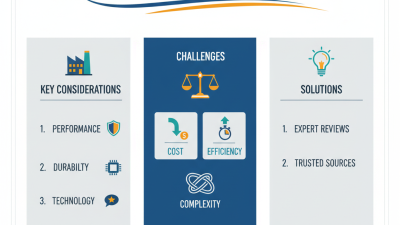
An automated lyocell production line starts with cleaned cellulose pulp, which is mixed with an aqueous NMMO solvent. Heated vessels help dissolve the pulp into a uniform spinning solution. Temperature and concentration sensors track the mixture, while pumps move it through fine filters. Small changes matter. Uneven flow can affect the consistency of the finished fiber.
The solution is deaerated, metered, and pushed through spinnerets into a short air gap. Filaments then enter a water-based coagulation bath, where cellulose forms into continuous fibers. Automated controls adjust pump speed, bath conditions, and line tension. Operators still check pressure readings and inspect the filaments; sensors can drift, and a neat display does not guarantee a perfect thread.
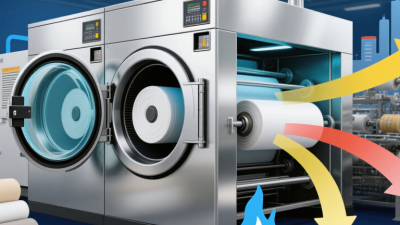
Then comes washing. The fibers pass through wash stages that remove residual solvent, while recovery equipment collects and reuses much of it. Dryers reduce moisture before the fibers are finished and cut to the required length. Each stage depends on stable settings, but real pulp can vary between batches. That part is easy to underestimate. Careful sampling and routine equipment checks help teams spot changes before they affect a full production run.
Evaluating automatic lyocell equipment manufacturers starts with the production process, not a glossy capacity figure. Ask how the line controls pulp dissolution, dope filtration, spinning, washing, and drying. Can the supplier explain how temperature, pressure, and flow changes affect fiber quality? Request operating data from comparable installations, including uptime and maintenance intervals. Numbers matter.
Automation should make critical steps visible. Review alarm histories, sensor calibration routines, recipe controls, and how operators respond to a process deviation. A useful demonstration might track one batch from dope preparation through fiber drying, rather than show a polished dashboard alone. No scorecard is perfect. Energy and water use also deserve close inspection, along with solvent recovery performance and the method used to verify those figures. Ask what happens during startup, shutdown, and unplanned stops; these moments can expose weak process integration.
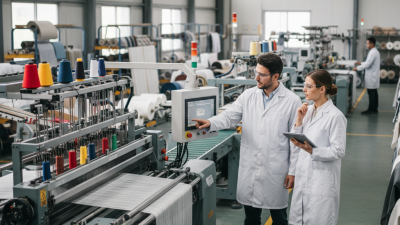
Assess service in practical terms: spare-parts availability, technician response times, training materials, and support for troubleshooting. Check references from plants with similar output and product requirements, then speak with their maintenance teams if possible. A factory visit can reveal details a brochure misses, such as access to filters or the time needed to clean a line. Be cautious with promises that lack test conditions or written acceptance criteria. Even a capable system may need adjustment after installation, so clarify commissioning responsibilities and how performance will be measured.
A practical evaluation framework for comparing suppliers of automatic lyocell production equipment. Weights are suggested assessment values, not manufacturer rankings or verified supplier performance data.
| No. | Evaluation criterion | Suggested weight | What to evaluate | Evidence to request |
|---|---|---|---|---|
| 1 | Process integration and automation | 15% | Integration of dope preparation, filtration, spinning, coagulation, washing, finishing, and winding; process controls and data traceability. | Process-flow diagrams, control-system specifications, automation scope, and commissioning test procedures. |
| 2 | Solvent recovery and process-loop design | 15% | Design for recovery and reuse of N-methylmorpholine N-oxide (NMMO), including solvent separation, concentration, monitoring, and loss control. | Solvent mass-balance assumptions, recovery-system design data, monitoring plan, and performance guarantees with defined test conditions. |
| 3 | Product quality and process stability | 12% | Ability to maintain the agreed fiber specifications and stable operation across the proposed product range and operating conditions. | Product specification limits, sampling and test methods, trial-run results, and documented acceptance criteria. |
| 4 | Capacity and scalability | 10% | Suitability of the proposed line capacity, equipment configuration, and expansion options for the intended production plan. | Capacity calculations, line-layout drawings, utility requirements, and documented assumptions for rated output. |
| 5 | Energy, water, and resource efficiency | 10% | Expected consumption of electricity, heat, water, and process chemicals per unit of output, with clear system boundaries. | Utility balance, consumption guarantees, measurement points, and calculation basis at the stated operating rate. |
| 6 | Process safety and environmental controls | 10% | Risk controls for hot process streams, chemical handling, containment, emissions, wastewater, and safe maintenance access. | Hazard assessments, safety-system descriptions, emissions and wastewater design data, and applicable compliance documentation. |
| 7 | Materials, corrosion resistance, and equipment durability | 8% | Suitability of wetted materials, seals, and components for the specified process conditions and chemical exposure. | Materials lists, design conditions, component specifications, maintenance intervals, and wear-part recommendations. |
| 8 | Installation, commissioning, and performance acceptance | 7% | Clarity of project scope, site interfaces, schedule, operator training, start-up support, and measurable acceptance tests. | Project schedule, responsibility matrix, commissioning plan, training plan, and draft acceptance-test protocol. |
| 9 | After-sales service and spare-parts support | 7% | Availability of technical support, troubleshooting, maintenance guidance, training, and critical replacement parts. | Service response commitments, spare-parts list, support coverage details, and maintenance documentation samples. |
| 10 | Commercial scope and lifecycle cost transparency | 6% | Completeness and comparability of equipment scope, exclusions, operating costs, warranty terms, and expected maintenance needs. | Itemized quotation, scope and exclusions, warranty conditions, payment milestones, and lifecycle-cost assumptions. |
| Total suggested weighting | 100% | Score each criterion using the same evidence requirements and project assumptions. | ||
Profiles of ten leading automatic lyocell equipment manufacturers are most useful when they show what each company actually builds. Rather than suggest an unsupported ranking, compare their engineering strengths across a production line. One profile may focus on pulp preparation; another, on precise dissolution and mixing. Others may specialize in fine filtration, stable spinning, or controlled washing. Details matter. A strong profile explains how equipment handles temperature, flow, and fiber consistency, not just its stated capacity.
The remaining profiles can highlight solvent recovery, drying and cutting, automated process controls, retrofit services, and complete line integration. Look for practical evidence: maintenance access around pumps, clear monitoring points, and settings operators can adjust without disrupting production. These details help readers judge whether a system suits a specific plant. Not every line fits. Published specifications may not reveal performance across different feedstocks or operating conditions, so manufacturer claims deserve careful comparison. A useful profile also notes commissioning support, spare-parts planning, and the limits of available data. The ten profiles should therefore help buyers ask better technical questions, rather than imply that one design works equally well for every facility.
Comparing automatic lyocell equipment manufacturers means looking beyond headline output rates. A complete line may include pulp feeding, cellulose dissolution, filtration, spinning, washing, and solvent recovery. The degree of automation varies: some systems coordinate these stages through centralized controls, while others rely on more operator adjustments. That difference affects consistency during shifts and product changes.
Spinning equipment deserves close attention. Buyers should compare spinneret capacity, filtration precision, tension control, and the range of fiber fineness a line can produce. Air-gap stability and coagulation conditions also influence fiber strength and uniformity. Small differences matter. A line designed for staple fiber may not suit continuous filament production without modifications. Ask for operating data from comparable installations, not just maximum rated capacity.
Applications shape the best equipment choice. Textile producers may prioritize soft hand feel and stable dyeing performance, while nonwoven producers may need reliable throughput and consistent fiber dimensions. Solvent recovery efficiency, wash-water demand, and maintenance access affect operating costs over time. Pilot trials can reveal issues that specifications miss, such as filter changes disrupting production. This comparison is not perfectly neat: site utilities, feedstock quality, and operator experience can shift real-world results. A technically impressive line may still require more adjustment than expected.