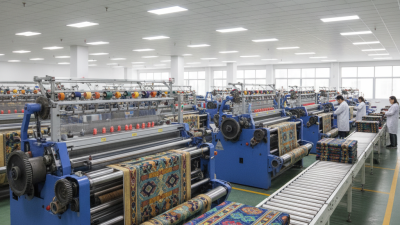
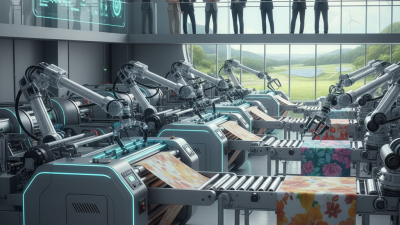
Ultimate Tips for Choosing the Right Automatic Textile Machine?
Choosing the right Automatic Textile Machine can significantly impact your production efficiency. With the textile industry evolving rapidly, understanding your options is crucial. There are myriad features and specifications to consider. Each machine has its own strengths and weaknesses.
Begin with the purpose of your investment. Think about the types of textiles you will produce. Some machines excel at certain fabrics, while others may struggle. It’s important to evaluate the brand’s reputation and longevity in the market. Established manufacturers offer reliability and better support.
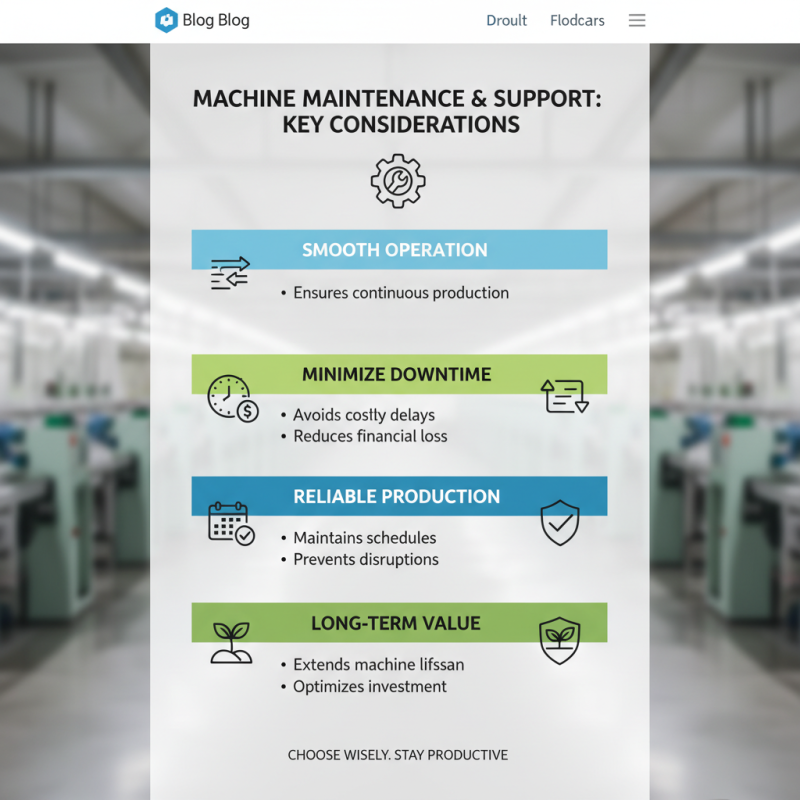
Don’t overlook the importance of user reviews and expert opinions. They can shed light on practical experiences that specs alone might not reveal. Asking questions about maintenance and availability of spare parts is vital. An Automatic Textile Machine is not just a purchase; it’s a long-term partnership. Weigh the options carefully, reflecting on what will best meet your needs in the ever-changing landscape of textile production.
Understanding the Different Types of Automatic Textile Machines
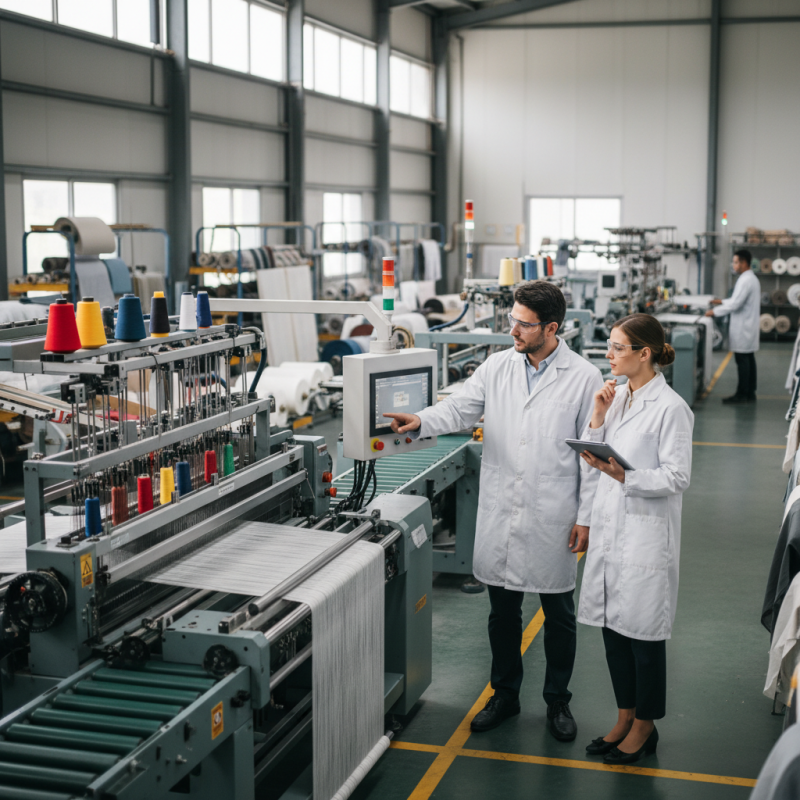
When selecting an automatic textile machine, understanding the varieties available is crucial. There are several types, each designed for specific purposes in textile production. For instance, weaving machines focus on interlacing threads to create fabric, while knitting machines work by looping yarn together. Each type has unique features that cater to different textile needs.
Consider filament and staple yarn machines. Filament machines handle continuous strands and are ideal for creating smooth fabrics. In contrast, staple yarn machines produce textiles from shorter fibers, resulting in a textured surface. Think about your production requirements. The right choice impacts efficiency and product quality significantly.
However, every technology has limitations. Automatic machines may struggle with complex designs or delicate fabrics. You must assess the machine's capabilities against your design aspirations. Do not overlook maintenance requirements either. A machine's reliability may vary based on how well it is maintained. Overall, balancing machine specifications and production goals is essential for a successful investment.
Assessing Production Needs and Capacity Requirements
When selecting an automatic textile machine, understanding production needs is crucial. Market research indicates that 70% of manufacturers face capacity issues when choosing equipment. This often leads to over or under-utilization. A machine that fits your current demand may not meet future growth. Analyze your production volume carefully to avoid this pitfall.
Capacity requirements must align with operational goals. For instance, if your target is to produce 1,000 units per day, ensure the machine can handle at least 20% more. This buffer helps maintain efficiency during peak times. Additionally, consider the variety of textiles you produce. Machines with flexible capabilities may better serve diverse production needs.
Evaluating your workforce's skill level is important too. Investing in complex machines might require advanced training. According to industry reports, 30% of companies report a skills gap. This gap can hinder performance and return on investment. Assess your team's capabilities before committing to a machine, ensuring that it aligns with both production and operational realities.
Ultimate Tips for Choosing the Right Automatic Textile Machine
This chart assesses the production capacity requirements for different types of automatic textile machines based on their efficiency and output rate.
Evaluating Features and Technology in Textile Machinery
Choosing the right automatic textile machine involves careful evaluation of features and technology. Industry reports indicate that around 70% of textile manufacturers value automation for improving efficiency. Key technologies, like computerized controls and advanced sensors, significantly enhance production. Machines equipped with real-time monitoring can reduce downtime by 15-20%.
Another important aspect is the type of fabric the machine can process. Many machines boast versatility, but they may not perform well with all materials. For example, a machine that excels with denim may struggle with lightweight fabrics. Manufacturers should assess compatibility with their specific textile types. Furthermore, energy consumption rates can vary widely. A report by the International Textile Manufacturers Federation states that energy-efficient machines can reduce costs by up to 30%.
Despite these advancements, it's crucial to acknowledge limitations. While automation can boost productivity, it may lead to a steep learning curve for operators. Regular training is essential to maximize machine capabilities. Additionally, some features may require frequent updates or replacements, adding to long-term operational costs. Understanding these nuances can guide manufacturers toward better investment decisions.
Budgeting and Cost Analysis for Automatic Textile Machines
When considering budgeting for automatic textile machines, it’s vital to assess initial costs versus long-term savings. Research indicates that investing in high-quality machines can lead to a 30% reduction in labor costs over five years. This statistic alone highlights the importance of evaluating not just the purchase price but also what the machine can save in operational costs.
Hidden costs also play a significant role. Maintenance, energy consumption, and training for staff are common overlooked expenses. A study shows that maintenance can account for up to 15% of operating budget. It’s wise to prepare for these additional costs when forming your budget. Energy-efficient machines can provide savings that often offset initial expenditures. The right technology can lead to efficiency increases of up to 25%, enhancing productivity and profitability.
Market trends show a strong emphasis on cost-effective solutions. Many manufacturers are now prioritizing machines that offer a balance between performance and affordability. Such machines often provide essential features at a lower price point. However, choosing too many low-cost options can affect quality and consistency. A thoughtful approach is necessary to avoid financial strain while ensuring high production standards.