China Top Automatic Viscose Equipment Manufacturers
China has a substantial industrial base, but choosing among Automatic Viscose Equipment manufacturers takes more than comparing company names. This guide explains what buyers should examine when assessing suppliers for viscose fiber production lines and related machinery. The right setup depends on the process, desired capacity, available utilities, and the level of automation required.
A production line may include dissolving and mixing systems, metering pumps, filtration units, spinnerets, temperature controls, and winding equipment. Each component affects process stability. Small details matter: pump accuracy, accessible maintenance points, and clear control-panel displays can influence daily operation. Not every supplier offers the same scope. Some focus on individual machines, while others provide engineering, installation, commissioning, and operator training. Details matter.
This overview considers manufacturers through practical criteria, including documented technical specifications, customization options, quality-control procedures, spare-parts support, and communication after delivery. Buyers should request equipment layouts, operating requirements, and relevant project references, then confirm that the proposed configuration fits their own production conditions. A polished brochure is not proof of performance. Factory visits or independent inspections may help, where practical.
The word “top” can be misleading if it suggests a universal ranking. Supplier strengths vary, and published claims should be checked against verifiable evidence. A careful review may take longer, but it can reveal gaps in service or technical fit before purchase. That matters. The following sections provide a grounded framework for comparing China-based manufacturers and asking more useful questions before making a decision.
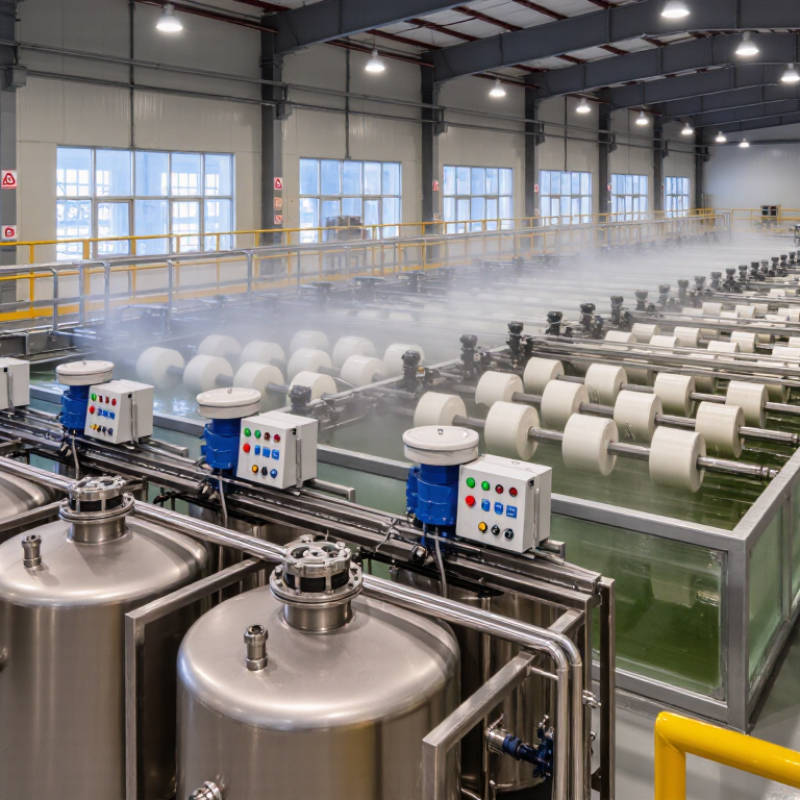
Automatic Viscose Equipment: Definition and Industry Overview
Automatic viscose equipment refers to machinery that prepares and processes cellulose solution into regenerated fibers, with automated controls coordinating key production stages.
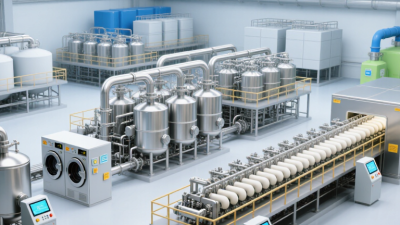
A typical line may include dissolving vessels, filters, deaeration units, metering pumps, spinning heads, and washing or drying sections. Sensors track factors such as temperature, pressure, flow, and bath concentration. These readings help operators keep the process steady and spot changes before they affect fiber quality.
Small details matter. A blocked filter or uneven feed can disturb spinning, even when the control panel shows normal values.
The industry overview includes both complete production lines and individual machines designed for specific steps. Automatic systems can improve repeatability, reduce manual handling, and record operating data for quality checks. They do not remove the need for skilled supervision. Operators still inspect filters, verify sensor readings, and adjust settings when raw materials or production conditions vary. Maintenance also matters: pumps, seals, and measuring devices can wear over time.
Automation is not magic.
Selecting equipment therefore involves matching capacity, process requirements, available space, and service support. A line that performs well on paper may need careful adjustment once it meets real factory conditions.
How Automatic Viscose Production Systems Work
China Top Automatic Viscose Equipment Manufacturers
How Automatic Viscose Production Systems Work
Automatic viscose production systems coordinate material movement, process timing, and operating conditions across several connected stages. Cellulose pulp is steeped in sodium hydroxide, then pressed and shredded into crumb. After controlled aging, the crumb reacts with carbon disulfide to form cellulose xanthate. Operators monitor temperature, mixing, and transfer times because uneven conditions can affect the final dope. Small details matter.
The xanthate is dissolved in dilute alkali, then the viscous solution is ripened, filtered, and deaerated. Pumps move it through pipes to spinnerets, where fine streams enter a chemical bath and regenerate as filaments. Automated controls can track flow, pressure, and temperature, while alarms flag deviations. In practice, handoffs between stages are not always perfectly smooth; sensors need calibration, and maintenance still depends on skilled people.
Tips: Check filtration and deaeration records before spinning. Watch for pressure changes, clogged filters, or air bubbles, which may signal inconsistent dope. Keep process logs clear and compare readings across shifts. Automation helps with repeatability, but it cannot replace sound process judgment.
Leading Chinese Manufacturers and Their Equipment Specialties
Chinese manufacturers serving viscose-fiber plants often specialize in particular process sections rather than building every machine. Some focus on automated pulp handling, steeping, shredding, and aging systems, where steady feed rates help maintain batch consistency. Others supply dissolving and filtration equipment, such as sealed vessels, metering pumps, and fine-screen filter units. These details matter. Pressure fluctuations can affect dope flow and lead to uneven spinning conditions. Spinning equipment makers may specialize in metered delivery, spinneret assemblies, bath circulation, and take-up control. Their equipment is most useful when matched to a plant’s fiber grade, throughput, and existing layout.
Automation specialists connect these stages through sensors, programmable controls, alarm systems, and production records. Some also integrate winding, packaging, and utility monitoring; others focus on narrower equipment packages. Buyers should request material specifications, operating ranges, cleaning access, and commissioning support—not just headline capacity. Not every line. Viscose production requires careful temperature control and equipment suited to corrosive process media, so seals and wetted parts deserve close review. A supplier’s efficiency claims are only a starting point: energy use, filter life, downtime, and service response need plant-level verification. No brochure captures every failure mode. Comparisons can be imperfect, but trial data often reveals more than polished promises.
China Top Automatic Viscose Equipment Manufacturers - Leading Chinese Manufacturers and Their Equipment Specialties
This chart maps core equipment functions across the main stages of a generic viscose-rayon production process. Counts represent process functions, not company rankings, market shares, or manufacturer-specific data.
The process flow includes alkali-cellulose preparation, xanthation and dissolution, viscose finishing, and wet spinning with after-treatment. Equipment functions are grouped by stage for a practical overview of common production-line specialties.