The 2026 search for top Textile Bobbin Machine manufacturers worldwide requires more than a polished supplier list. It demands practical judgment. A factory may advertise high speed, yet struggle with unstable winding tension. Another may offer advanced automation, but provide weak after-sales support. These differences appear clearly on the production floor.
Professor Thomas Gries, a respected textile technology specialist, states, “Reliable textile production begins with matching machine capability to the yarn, process, and people.” This principle guides our review. The strongest manufacturers are examined through measurable details, including bobbin dimensions, spindle accuracy, winding speed, material compatibility, energy consumption, and control-system reliability. Operator training also matters. So does spare-parts availability.
Small details matter.
A machine should run smoothly beside a noisy spinning frame. Its control panel should remain understandable during a late-night shift. Bobbins should leave the winding area with consistent shape and density. These physical results often reveal more than a brochure.
This overview compares established and emerging manufacturers across Asia, Europe, and other important production regions. It considers engineering experience, customization capacity, factory references, inspection procedures, and service responsiveness. Price is included, but it is not treated as the final answer. Low initial cost can become expensive when downtime interrupts delivery schedules.
No ranking is perfect. Manufacturer data can change. Regional service quality may also vary. Readers should verify specifications, conduct sample trials, and request current certifications before purchasing. That caution is intentional. A dependable Textile Bobbin Machine is not merely a machine on paper; it is a long-term production decision shaped by yarn behavior, operator experience, and daily factory conditions.
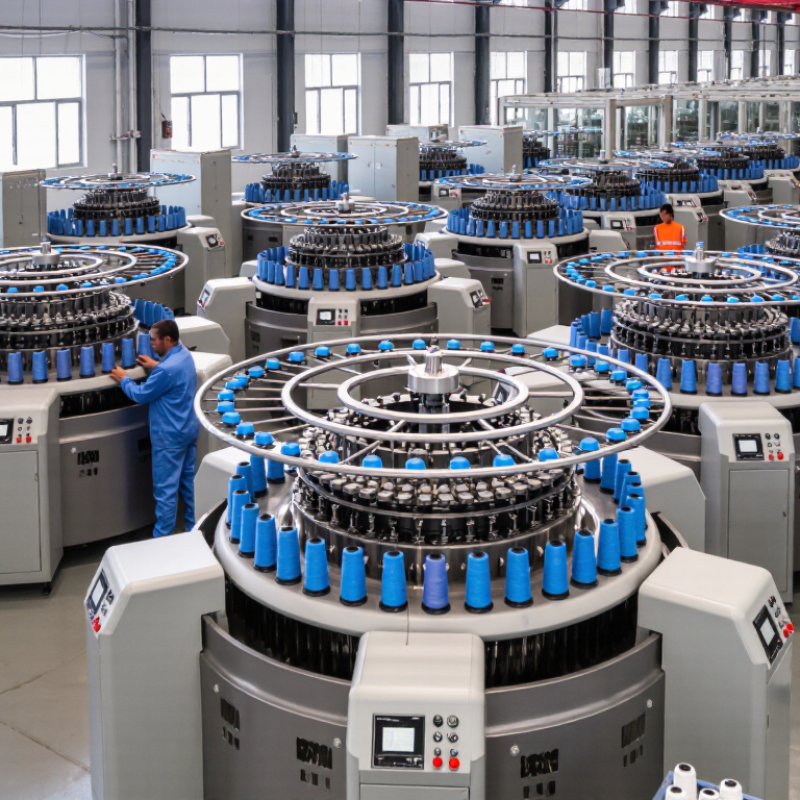
A textile bobbin machine is industrial equipment that forms, winds, or handles yarn packages on bobbins. Depending on its design, it may shape paper or plastic cores, then apply yarn at controlled tension. The machine guides yarn through sensors, traversing systems, spindles, and winding heads. Its purpose is simple: produce stable packages. Yet precision matters. A poorly built bobbin can collapse, snag, or feed unevenly during later processing.
In daily production, operators adjust winding speed, yarn tension, traverse ratio, and package density. These settings affect unwinding behavior, surface smoothness, and yarn breakage. Modern equipment may record tension changes and stop automatically when yarn breaks or diameter limits are reached. Regular checks should include spindle alignment, sensor response, bearing noise, and bobbin dimensions. Small deviations become expensive at scale.
Textile mills use bobbin machines before weaving, knitting, embroidery, sewing, and some dyeing operations. They support cotton, polyester, rayon, blended, and technical yarns when the machine matches the material. A knitting line needs consistent unwinding, while embroidery requires clean, compact packages. From factory experience, material changes often expose weak settings. I would not treat “fully automatic” as maintenance-free. Operators still need training, sampling, and documented quality checks. Humidity, yarn hairiness, and core variation can disturb results. Reliable manufacturers address these variables through test runs, traceable specifications, and responsive technical support.
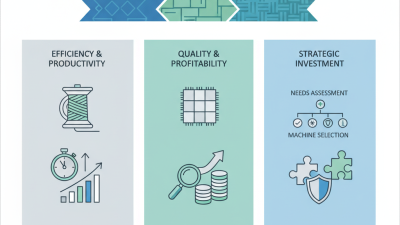
In 2026, textile bobbin machine manufacturing is moving toward smarter, cleaner, and more responsive production. Servo-driven winding systems now adjust tension within milliseconds. This helps prevent loose layers, broken yarn, and uneven bobbin shapes. Machine vision checks flanges, surfaces, and thread placement without slowing the line.
Digital twins are also entering factory planning. Engineers can test spindle speeds, yarn paths, and energy loads before building equipment. Connected sensors collect vibration, temperature, and motor-current data. Predictive maintenance then identifies possible failures earlier.
However, sensor data is not automatically useful. Poor calibration can create confident but incorrect warnings. Human inspection still matters, especially with delicate or recycled yarns.
Tips: Choose machines with open data interfaces and adjustable tension control. Ask for trial records using yarn similar to yours. Check cleaning access, noise levels, and operator training. Energy-saving motors are valuable, but their real performance depends on production speed and maintenance habits. Manufacturers with documented testing, clear spare-parts support, and measurable safety procedures deserve closer attention. One overlooked detail is software usability. A powerful dashboard can still fail when workers cannot read it quickly.
2026 Top Textile Bobbin Machine Manufacturers Worldwide
Textile bobbin machine manufacturers now serve highly different regional production needs. East Asian suppliers often emphasize automated winding, servo control, and compact factory layouts. Their machines may support rapid bobbin changes and digital tension monitoring. This suits large mills producing uniform yarn packages. However, advanced interfaces can require stronger technical training.
South Asian manufacturers commonly focus on practical designs, accessible maintenance, and competitive operating costs. Their equipment often uses familiar mechanical components that local technicians can repair quickly. European producers generally prioritize precision, energy efficiency, and strict process documentation. Buyers may find excellent control over winding density and bobbin dimensions. The initial investment can be substantial. North American suppliers often compete through customization, integration, and responsive service networks. Regional demand frequently favors machines that connect with existing production software.
In Latin America, manufacturers and distributors increasingly address flexible production, shorter delivery routes, and adaptable machine configurations. A reliable evaluation should include spindle runout, winding tension, noise levels, and spare-parts availability. Ask for production samples using your actual yarn. Catalog data is not enough. Operators should inspect thread paths and cleaning access during a factory visit. One overlooked detail can increase stoppages. Regional categories help comparison, but they are not perfect. A lower purchase price may hide training costs, difficult imports, or limited after-sales support. Experienced buyers therefore compare total operating performance over several years, not only the machine quotation.
Leading Textile Bobbin Machine Manufacturers by Global Market Region
The chart presents an estimated 2026 regional share of global textile bobbin machine demand. Values are regional market estimates based on textile manufacturing capacity, yarn production activity, replacement cycles, and machinery investment trends; no individual company or brand data is included.
Choosing among textile bobbin machine manufacturers requires more than comparing catalog prices. A reliable evaluation starts with the machine’s working details. Check bobbin diameter, winding width, spindle speed, yarn compatibility, and tension control. Ask for test videos using yarn similar to yours. A machine may perform well with cotton but struggle with delicate synthetic yarn. That difference matters.
Inspect the manufacturer’s technical evidence. Request dimensional drawings, electrical specifications, maintenance schedules, and production records. A serious supplier should explain how the machine controls vibration, yarn breakage, and uneven winding. Visit the factory when possible, or arrange a live video inspection. Look closely at assembly quality, safety guards, wiring, and spare-part storage. Customer references can reveal response times better than promotional claims. Warranty terms should include clear coverage, service methods, and replacement-part availability. The cheapest machine often becomes expensive when downtime appears.
Tips: Compare sample bobbins, not promises. Measure winding density, edge shape, noise, and output consistency. Ask how quickly operators can learn the controls. Confirm installation support and training in writing. Leave room for doubt. A polished brochure can hide weak after-sales service, while a small manufacturer may offer careful technical support. My evaluation would also include one uncomfortable question: what happens when the machine fails during peak production? No answer is useful. Reliability is proven through details, records, and practical testing.
Practical evaluation matrix for comparing textile bobbin winding machine manufacturers, technologies, product capability, compliance, and after-sales support.
| Evaluation Area | Key Metric | Typical Requirement or Benchmark | Evidence to Request | Evaluation Guidance |
|---|---|---|---|---|
| Manufacturer Experience | Years of relevant production experience | A reliable supplier should demonstrate several years of experience specifically in textile winding, bobbin, spool, or precision package equipment. | Company registration records, product history, installation references, and documented machine generations. | Give higher confidence to manufacturers with a stable product history and verifiable installations. |
| Product Application | Supported yarn and bobbin types | The machine should clearly specify compatibility with spun yarn, filament yarn, elastic yarn, technical yarn, paper tubes, plastic bobbins, or other required materials. | Application list, yarn samples, bobbin drawings, and trial-winding results. | Do not rely on a general claim that one machine can process every yarn type. |
| Winding Performance | Winding speed and package quality | Commercial machines commonly provide adjustable winding speeds, with actual limits depending on yarn count, material, package shape, tension, and bobbin dimensions. | Rated speed range, production test report, package density data, and yarn-breakage records. | Compare usable production speed rather than the maximum no-load speed. |
| Tension Control | Tension stability during winding | A suitable machine should provide controlled and repeatable yarn tension across the full package, with settings appropriate to the yarn material and process. | Tension-control method, calibration procedure, test curves, and sample packages from different machine positions. | Check package hardness, shape, sloughing, and downstream unwinding performance. |
| Automation | Automation level and operator workload | Relevant features may include automatic doffing, bobbin loading, yarn joining, stop-motion detection, fault alarms, and recipe management. | Functional specification, cycle-time data, operator instructions, and automation demonstration. | Assess labor savings together with maintenance complexity and spare-part availability. |
| Production Capacity | Spindle or winding-position count | Machine configurations vary from compact single-position or laboratory units to multi-position industrial systems. Capacity should match the required output and available floor space. | Position count, output calculation, layout drawing, and recommended staffing level. | Use expected utilization and changeover time when calculating real capacity. |
| Bobbin Dimensions | Tube length, diameter, and package geometry | The machine must accommodate the required inner diameter, outer diameter, tube length, winding width, and package shape within defined tolerances. | Dimensional range, tooling drawings, change-part list, and dimensional inspection report. | Confirm whether changing bobbin formats requires tools, software adjustments, or extended downtime. |
| Changeover Efficiency | Format-change time and repeatability | Fast and repeatable changeover is important when producing multiple yarn types, package sizes, or winding patterns. | Timed changeover demonstration, standard operating procedure, and tooling checklist. | Include setup, calibration, first-piece approval, and cleaning time in the calculation. |
| Electrical and Machine Safety | Safety design and documentation | The machine should be risk-assessed and supplied with guarding, emergency stops, protective interlocks, electrical documentation, and operating instructions. ISO 12100 and IEC 60204-1 are commonly referenced for machinery safety. | Risk assessment, electrical diagrams, safety-circuit details, declaration of conformity, and user manual. | Verify that compliance documents match the actual machine configuration and destination market. |
| Quality Management | Manufacturing and inspection controls | A documented quality-management system, commonly aligned with ISO 9001, should cover incoming components, assembly, testing, traceability, and corrective action. | Valid certificate, scope of certification, inspection plan, factory acceptance test, and nonconformance records. | Check the certificate scope and validity instead of accepting an unsupported logo or statement. |
| Energy and Operating Cost | Power consumption per production unit | Energy demand depends on motor power, number of positions, automation, suction systems, speed, and operating conditions. It should be compared using a consistent production basis. | Installed power, measured power consumption, compressed-air demand, and annual operating estimate. | Compare energy per kilogram, per bobbin, or per operating hour under equivalent conditions. |
| Maintenance | Preventive maintenance and serviceability | The supplier should define lubrication, cleaning, inspection, calibration, wear-part replacement, and troubleshooting intervals. | Maintenance schedule, spare-parts list, recommended tools, service manual, and remote-support procedure. | Prefer accessible components, clear diagnostics, and documented maintenance intervals. |
| Software and Controls | Interface, recipes, data access, and diagnostics | A modern control system should support parameter recipes, alarm history, access levels, production monitoring, and backup or restore procedures. | Control-system specification, sample screens, user-access policy, backup method, and software-update policy. | Assess usability for operators and the availability of technical support after commissioning. |
| Environmental Compliance | Materials and market-specific compliance | Depending on the destination market, requirements may include CE-related conformity, RoHS restrictions, REACH obligations, electromagnetic compatibility, and local electrical rules. | Declaration of conformity, technical file summary, material declarations, EMC test records, and applicable certificates. | Compliance must be evaluated against the importing country and the final machine configuration. |
| Delivery and Installation | Lead time, commissioning, and acceptance testing | A professional supplier should define manufacturing lead time, packaging, shipping responsibility, installation scope, training, and factory or site acceptance criteria. | Project schedule, installation plan, FAT/SAT protocol, training agenda, and acceptance checklist. | Tie final payment to measurable acceptance conditions rather than delivery alone. |
| After-Sales Support | Response time and spare-parts coverage | The service program should include technical contact channels, remote diagnosis, field service options, critical spare-parts availability, and warranty terms. | Service-level agreement, warranty conditions, spare-parts lead times, escalation process, and customer references. | Evaluate total downtime risk, not only the length of the warranty period. |
| Total Cost of Ownership | Five-year operating and ownership cost | The calculation should include purchase price, tooling, installation, training, labor, energy, maintenance, consumables, spare parts, downtime, and expected productivity. | Itemized quotation, operating-cost model, replacement-part pricing, and productivity assumptions. | The lowest purchase price is not necessarily the lowest-cost solution over the equipment life cycle. |
Future trends in textile bobbin machine manufacturing are being shaped by higher output, tighter energy budgets, and more varied yarns. The 2024 Textile Exchange Materials Market Report estimates global fiber production reached 124 million tonnes in 2023. It may approach 160 million tonnes by 2030. Bobbin equipment must therefore handle faster changeovers without damaging delicate fibers.
Efficiency is becoming measurable. The International Textile Machinery Federation’s 2023 shipment statistics showed uneven demand across major spinning and weaving equipment categories. This signals cautious investment, not declining ambition.
Manufacturers are adding servo control, real-time tension monitoring, and predictive maintenance. A bobbin line can now flag vibration before a winding defect reaches hundreds of packages. That matters.
Digital integration will expand. Machines will share production data with factory systems, supporting traceability and remote diagnostics. Recycled fibers create a harder engineering problem. Their variable length and surface friction can increase slippage, waste, and uneven winding. Automation helps, but it cannot replace skilled process judgment. The forecast is not flawless. Smaller mills may struggle with software costs, training gaps, and incompatible data standards. Future leaders will need quieter drives, modular components, repairable electronics, and energy reports that operators can actually verify on the factory floor.