Best Textile Processing Machines for Global Buyers?
In today's competitive market, selecting the right Textile Processing Machine is crucial for businesses. These machines enhance efficiency and improve product quality. However, with numerous options available, global buyers often face challenges in making informed decisions.
Understanding the nuances of various textile processing technologies is essential. Some machines offer advanced features, while others focus on cost-effectiveness. Buyers must evaluate their specific needs and consider long-term investment potential.
Moreover, the journey involves reflection on past choices. Many businesses have experienced frustrations with subpar machinery. Hence, gathering knowledge from trusted sources is vital. This guide aims to provide insights and advice, paving the way for informed selections in the textile processing domain.
Overview of Textile Processing Machines in the Global Market
Textile processing machines play a crucial role in the global market. They encompass various equipment used for the production, dyeing, and finishing of fabrics. Understanding these machines helps buyers make informed decisions. The global textile industry continues to evolve, driven by innovation and sustainability. Modern machines are now designed to enhance efficiency while minimizing waste.
Investing in the right machinery is vital for competitiveness. Buyers should consider specific needs, such as production volume and fabric type. Choosing versatile machines can provide flexibility in production while accommodating various textiles. However, it’s important to weigh the initial investment against potential long-term gains. Not all machines will fit every operation, and understanding their limitations is essential.
Tips: Always start with a thorough market analysis. Explore different machine functionalities before making a decision. Assess the total cost of ownership, including maintenance and energy consumption. Moreover, prioritize manufacturers known for reliability over those promoting the latest technology. Building partnerships with trusted suppliers can enhance operational efficiency and performance.
Types of Textile Processing Machines and Their Functions
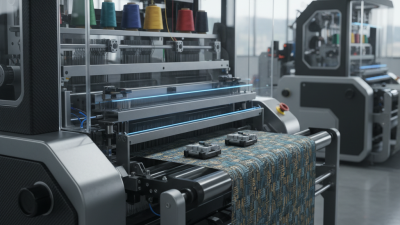
Textile processing machines play a vital role in the production chain of the textile industry. There are several types of machines, each with specific functionalities that enhance efficiency and quality. For instance, spinning machines convert fibers into yarn, while weaving machines produce fabric from these yarns. According to a report by Grand View Research, the global textile machinery market is projected to reach USD 25.5 billion by 2025, highlighting the importance of innovation in this sector.
Dyeing machines are crucial for adding color to fabrics. They ensure uniformity and consistency in color application, which is essential for product appeal. Finishing machines, on the other hand, prepare fabrics through processes like softening and wrinkle reduction. These machines help create textiles that meet consumer demands for comfort and durability.
Tip: Regular maintenance of machinery can significantly increase its lifespan. Schedule routine checks to avoid unexpected downtimes. Also, consider investing in energy-efficient machines to reduce operational costs and enhance sustainability. Choosing the right textile processing machines can lead to enhanced productivity but can be a challenge due to the vast array of options available. It's essential to assess the specific needs of your production line.
Best Textile Processing Machines for Global Buyers
Key Features to Consider When Selecting Processing Machinery
When selecting textile processing machinery, key features are instrumental in ensuring efficiency and quality. Experience from industry reports indicates that automation capabilities are vital. Over 60% of textile manufacturers now prioritize automated systems for cutting, dyeing, and finishing. This shift significantly lowers labor costs while enhancing precision.
Energy efficiency is another critical factor. Machinery that consumes less energy aligns with sustainability goals. Data suggests that energy-efficient machines can reduce utility costs by up to 30%. This is essential as global regulations tighten and consumers demand greener products.
It’s also important to consider the machine's adaptability. Versatility in handling various fabric types can significantly improve production flexibility. Yet, many operators struggle with integrating new technologies. Reports show a notable gap in training, highlighting a need for ongoing education in the use of advanced machinery. Selecting machines with comprehensive support can mitigate this issue, ensuring teams can maximize their potential.
Top Brands and Manufacturers of Textile Processing Equipment
When searching for reliable textile processing equipment, buyers must consider various brands and manufacturers. Each company offers unique advantages and capabilities. Evaluate machines based on technology, efficiency, and quality. Consult industry reports and reviews to assess their reputation.
Tips: Always check for user feedback before making a purchase. Real experiences often reveal the machine’s true performance. Consider potential downtime and repair services when evaluating a brand.
Not every well-known name guarantees top performance. Lesser-known brands can offer innovative solutions at competitive prices. Explore options beyond your initial choices. Researching lesser-known brands may lead to valuable discoveries.
Collaborating with experienced professionals in the field is essential. They can provide insights and help refine your choices. Remember, the right equipment is not just about brand name but also about meeting your specific needs.
Future Trends in Textile Processing Technologies and Innovations
The landscape of textile processing is rapidly evolving. Innovations in technology are reshaping how materials are manufactured. Biodegradable materials are seeing increased use. This shift aligns with global sustainability goals. Eco-friendly processes attract more buyers. Both consumers and manufacturers want a greener future.
Automation is another key trend. Machines now use advanced AI for better efficiency. These tools reduce labor costs and enhance precision. However, the learning curve can be steep. Companies need skilled workers to manage this technology. Training programs must be established to bridge the skill gap.
Digital textile printing is taking off as well. It offers unmatched flexibility and speed. Brands can quickly respond to market trends. Yet, this technology also requires significant upfront investment. The balance between innovation and cost-effectiveness is challenging. Companies must weigh risks carefully as they invest in these new methods.