How to Choose the Best Automatic Textile Machine for Your Needs?
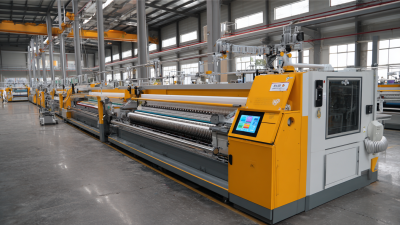
Choosing the right Automatic Textile Machine is crucial for optimizing production in the textile industry. Recent reports indicate that the global automatic textile machinery market is projected to reach $9.2 billion by 2025, reflecting a growing need for efficiency and innovation. As competition increases, manufacturers must leverage advanced technology to enhance productivity and reduce waste.
Industry expert Dr. Emily Chen emphasizes, "Selecting the right automatic textile machine can significantly impact both quality and efficiency." Her insights highlight the importance of understanding specific business needs when investing in such equipment. Factors to consider include the types of fabrics produced and the desired production speed.
When navigating various options, it is easy to overlook details. Often, businesses focus more on brand reputation than the machine's actual capabilities. Additionally, not all machines come with the best technical support or after-sales service. Evaluating these aspects is essential for making a well-informed decision that aligns with operational goals.
Understanding Different Types of Automatic Textile Machines
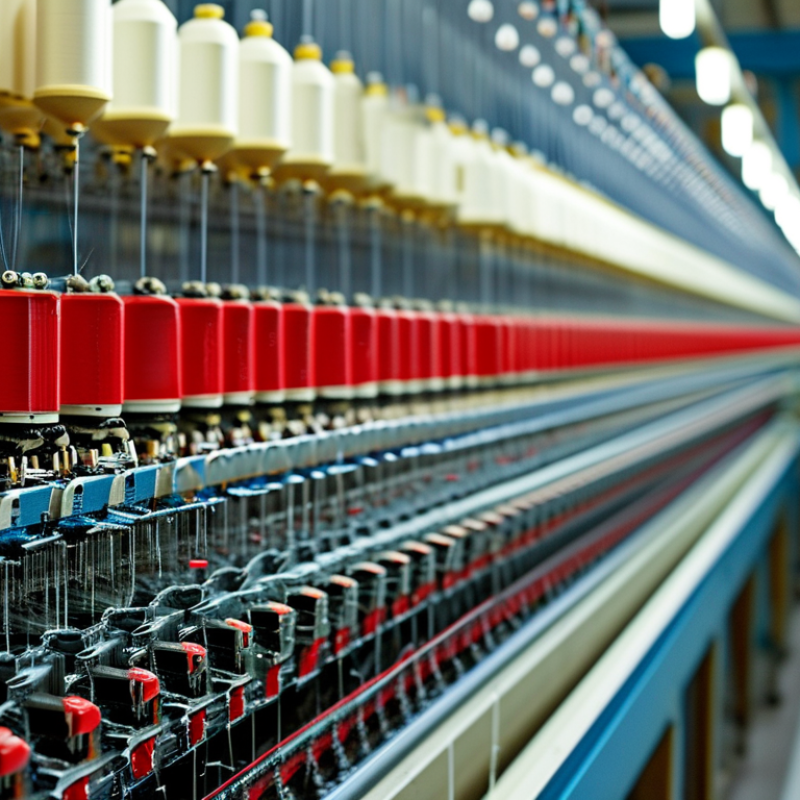
Choosing the right automatic textile machine requires understanding the types available. Different machines serve various purposes, adapting to the specific needs of fabric production. Industry reports show that, as of 2022, investments in automatic textile machinery have increased by over 8% annually. This trend reflects the growing demand for efficiency and precision in textile manufacturing.
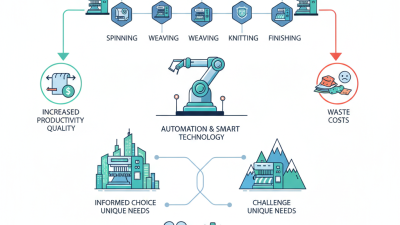
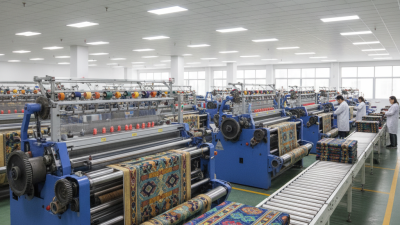
We often see three main types of automatic textile machines: weaving, knitting, and dyeing. Weaving machines, such as rapier and air-jet looms, excel in producing complex patterns quickly. Knitting machines offer versatility for both elastic and non-elastic fabrics, often reporting over 95% operational efficiency. Dyeing machines have also evolved, adopting eco-friendly technologies that minimize water usage and waste. Some models now recycle up to 70% of water during processes.
However, selecting a machine is not straightforward. The cost of high-tech equipment can be daunting. Maintenance and training also require consideration. Many companies report struggling with skilled labor shortages, further complicating effective machine use. These factors merit careful evaluation before making a significant investment in equipment.
Assessing Your Production Needs and Volume Requirements
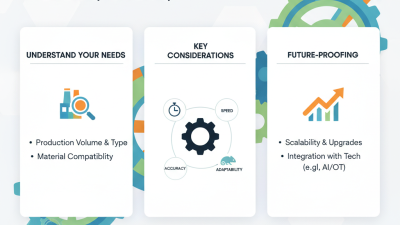
When selecting an automatic textile machine, understanding your production needs is crucial. Start by evaluating your current and projected production volumes. High-demand areas require machines that can handle greater workloads efficiently. This detail ensures that your operations remain smooth without unexpected downtime.
Tips: Look into machines with flexible settings. These allow adjustments as your needs evolve. Consider how often you will change materials or patterns.
Assessing the types of textiles involved is equally important. Different machines specialize in various materials like cotton, polyester, or blends. Identify which materials you'll use most frequently to match the machine's capabilities with your requirements. This alignment will lead to more efficient processes.
Tips: Visit trade shows or industry expos. Engaging with experts can provide insights not available online. Sometimes, the right choice might seem less obvious at first glance, so doing thorough research is essential.
Evaluating Key Features and Technologies in Textile Machines
When selecting an automatic textile machine, evaluating key features is crucial. Modern textile machines offer various technologies that enhance efficiency and quality. Features like automated threading systems significantly reduce setup time. This can save up to 30% on labor costs, according to industry reports from the Textile Machinery Association.
Another important aspect is the machine's software capabilities. Advanced machines come with integrated design software. This technology allows seamless design modifications, promoting creative flexibility. Research indicates that 65% of textile manufacturers noted improved productivity with user-friendly interfaces. Furthermore, energy efficiency is becoming a priority. Machines that consume less energy not only lower operational costs but also support sustainability efforts.
Despite advancements, some manufacturers overlook maintenance needs. Regular upkeep is vital for optimal performance. Inadequate maintenance can lead to breakdowns, impacting production schedules. It's essential to balance high-tech features with practicality. Evaluating how often a machine requires servicing can prevent future complications. Investing in a machine is not only about current capabilities but also about longevity and reliability.
Comparing Costs and Budget Considerations for Your Purchase
When exploring the costs associated with automatic textile machines, it’s essential to analyze your budget critically. Prices can vary greatly based on features and functionalities. A machine with advanced technology may save time and enhance productivity but often requires a higher initial investment. Weighing these factors can help you make an informed choice.
Tips: Determine your needs. Consider what fabrics you will work with. Basic machines may suffice for simpler projects. For complex tasks, investing in more advanced features could be worthwhile.
Additionally, don’t overlook ongoing costs. Maintenance, repairs, and supplies should be factored into your budget. Sometimes, cheaper machines might lead to higher long-term expenses due to frequent breakdowns. A thorough evaluation of lifespan and reliability is crucial.
Tips: Research user reviews. Users often share experiences about long-term reliability. Their insights can reveal hidden costs. Stay within your budget but prioritize durability and support services. These factors can significantly impact your overall satisfaction and productivity.
Researching Brands and Reviews for Reliability and Support
When choosing an automatic textile machine, researching brands is crucial. A strong brand can indicate reliability and consistent support. Look into brands that have been around for years. Longevity often signals quality and durability. Check online forums and industry websites to gather insights. User testimonials can reveal real-life experiences. Take note of both positive and negative feedback.
Ratings and reviews provide valuable information. Pay attention to how brands respond to issues. A company that addresses customer concerns promptly shows commitment to its users. Consider the availability of technical support. Machines often require maintenance or troubleshooting. Ensure that help is easy to access.
While online research is essential, understanding your needs matters too. Reflect on the features that suit your projects. Does the machine have the necessary capabilities? Ask questions in community groups. Engage with other users to gather different perspectives. This dialogue can uncover aspects you might overlook. Machine choices should align with your specific requirements to ensure satisfaction.
How to Choose the Best Automatic Textile Machine for Your Needs?
| Machine Type |
Key Features |
Reliability Score (out of 10) |
Support Availability |
Average Price ($) |
| Automatic Sewing Machine |
Multi-thread capability, Automatic thread cutter |
8.5 |
24/7 Online Support |
1500 |
| Automatic Quilting Machine |
Computerized patterns, Stitch regulation |
9.0 |
Email & Phone Support |
2000 |
| Automatic Embroidery Machine |
High speed, Built-in designs |
8.8 |
Workshops & Manuals |
1800 |
| Automatic Knitting Machine |
Multi-gauge, Customizable patterns |
8.7 |
User Forums |
1600 |
| Automatic Fabric Cutter |
Laser cutting technology, High precision |
9.2 |
On-site support |
2500 |