How to Choose the Best Textile Industry Machines for Your Needs?
Choosing the right machines is crucial in the textile industry. With the global market for Textile Industry Machines expected to reach $2 billion by 2027, selecting equipment that meets your specific needs is essential. According to a recent report by Market Research Future, efficiency and innovation are key factors in machine selection.
Renowned textile expert Dr. Emily Carter emphasizes, "Investing in the best textile machinery can dramatically improve production quality and efficiency." This statement highlights the importance of understanding your operational requirements before making a purchase.
Many businesses overlook the long-term impact of their machinery choices. Often, companies focus solely on initial costs. However, factors such as durability, maintenance, and energy efficiency contribute significantly to overall value. Ensuring that the right machines are chosen can lead to sustained operational success and competitiveness in the textile market.
Identifying Your Specific Textile Production Requirements
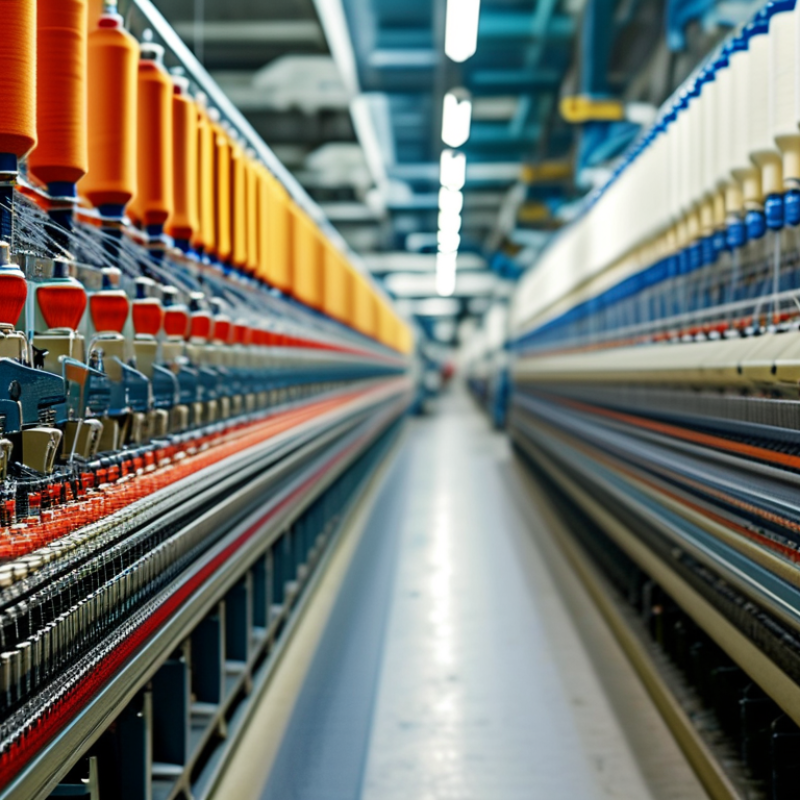
Identifying your specific textile production requirements is crucial when selecting the best machines for your operation. The textile industry has seen significant advancements. According to the International Textile Manufacturers Federation, productivity can rise by up to 30% with the right machinery. A clear understanding of your production capacity, fabric types, and finishing processes is essential.
Consider your production scale. Are you a small business or a large manufacturer? Each scenario demands different machinery. High-speed weaving and knitting machines may be suitable for large-scale production. Yet, small businesses may benefit from versatile and compact machines that handle several functions.
Tips: Regularly assess your workflow. An adaptable machine can accommodate changes in design or fabric. Evaluate the energy consumption of machines, as efficiency can lead to cost savings.
Another key aspect is maintenance. Machines that require frequent servicing can disrupt production. The right choice minimizes downtime. Reports indicate that consistent upkeep can extend machinery life by up to 50%. Investing in quality, reliable machines ultimately meets your unique production needs.
Evaluating Key Features of Textile Industry Machines
When choosing textile industry machines, key features are crucial. Consider the specific needs of your operation. Performance is essential; machines should operate efficiently under your production demands. Look for energy efficiency as well. Energy-saving machines can reduce costs significantly.
Versatility is another important factor. Your business may require different fabric types or styles. A machine that can adapt to these needs saves you time and resources. Check the ease of operation as well. User-friendly designs help minimize training time and errors. Take a look at durability; machines should withstand heavy usage over time.
Don’t overlook maintenance and support options. Machines require upkeep, and reliable service can prolong their lifespan. Regular maintenance ensures they run smoothly. There may be times when repairs are necessary, so consider how easy it is to access parts. Evaluate all these features carefully. The right choice could mean the difference between smooth operations and costly downtime.
Comparing Different Types of Textile Machines
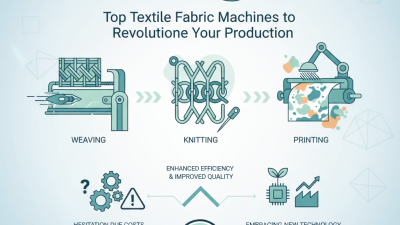
When selecting machines for the textile industry, understanding the various types is essential. There are several categories, each serving specific functions in production. For instance, weaving machines, knitting machines, and dyeing equipment all play distinct roles in textile manufacturing. A report by Market Research Future indicates that the global textile machinery market is projected to reach $180 billion by 2027, which highlights the industry’s growth and technological advancements.
Weaving machines, like shuttle and shuttleless types, determine fabric quality. Shuttleless looms can produce higher speeds and reduce fabric defects. Meanwhile, knitting machines cater to different fabric types and textures. According to industry analysis, the circular knitting segment alone is expected to grow at a CAGR of 5.2% from 2021 to 2026. The benefits of efficient dyeing machines also cannot be overlooked; they increase color accuracy while minimizing water usage, aligning with sustainability efforts in textile production.
However, selecting the right machine isn’t always straightforward. Misalignment with production needs can lead to inefficiencies. For example, investing in a high-speed machine without adequate training can create operational challenges. Acknowledge that each company’s needs differ, and ongoing research into machine performance is vital. Understanding your specific requirements will guide you in making informed choices that align with machinery trends and market demands.
Assessing Budget Considerations for Machine Purchase
When considering the purchase of machines for the textile industry, budget is a critical factor. A well-planned budget allows for better decision-making. Initial costs often include the machine price, installation fees, and training for operators. These expenses add up quickly, impacting your overall cash flow. It's essential to account for ongoing costs as well, such as maintenance and energy consumption. A budget that overlooks these elements can strain future operations.
Conducting a cost-benefit analysis can provide clarity. Evaluate the anticipated production capacity against potential revenue. If a machine costs more upfront but offers higher efficiency, it might be worth the investment. However, reflect on whether the machine will meet your production needs over time. Industry trends can shift, and a machine that seems ideal now may not suit future demands.
Take time to compare different options. Gathering insights from industry experts can aid your decision-making. Their experiences can shed light on hidden costs and long-term value. Investing in the right equipment requires careful consideration of both current financial capabilities and future growth. Balancing these aspects can feel overwhelming, but it’s crucial for sustainable success in the textile industry.
Researching Reliable Suppliers and Manufacturers in the Industry
When looking for reliable suppliers and manufacturers in the textile industry, research is key. Start by identifying suppliers with a strong reputation. Their experience often indicates quality. Check industry certifications and customer reviews to gauge reliability. Look for companies that specialize in your specific needs, such as weaving or printing machines. This specialization can lead to better service and technical support.
Networking within the industry can provide insights. Attend trade shows or join online forums. Engaging with other professionals can yield recommendations for trustworthy manufacturers. Conducting site visits can also be beneficial. Seeing the production processes firsthand helps assess the capabilities and quality of potential suppliers.
However, don't rush the decision. Taking time to evaluate options might reveal red flags. Some suppliers may promise fast delivery but compromise on quality. Reflect on the long-term implications of your choices. Reliable suppliers not only provide good machinery but also offer ongoing support. Aim for partnerships rather than simple transactions. This perspective helps ensure better outcomes in the long run.
Market Share of Textile Industry Machines by Type (2023)