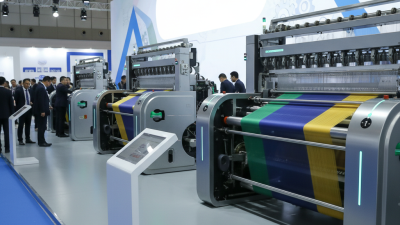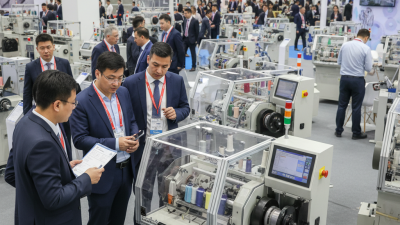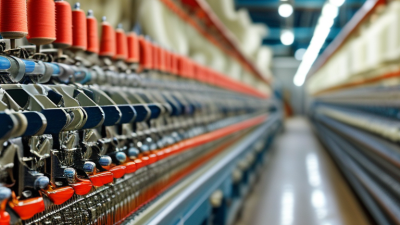
The textile industry is evolving rapidly, and the **Ring Spinning Machine** plays a pivotal role in this transformation. As we approach 2026, various trends are emerging that could reshape production processes and enhance efficiency. These machines, known for their ability to create high-quality yarn, are witnessing advancements that promise improved performance.
Recent technological innovations are making the **Ring Spinning Machine** more adaptable. Automation is becoming central in many manufacturing setups. However, this shift raises questions about workforce displacement and training needs. Companies must balance efficiency with employee skills development.
Moreover, sustainability is taking center stage. Manufacturers are exploring eco-friendly materials and practices. The challenge lies in integrating these approaches while maintaining output standards. Investing in new technologies is crucial, yet the costs can be daunting. Businesses must weigh potential gains against initial investments. As we delve into the trends for 2026, it’s vital to consider both opportunities and obstacles surrounding the **Ring Spinning Machine**.
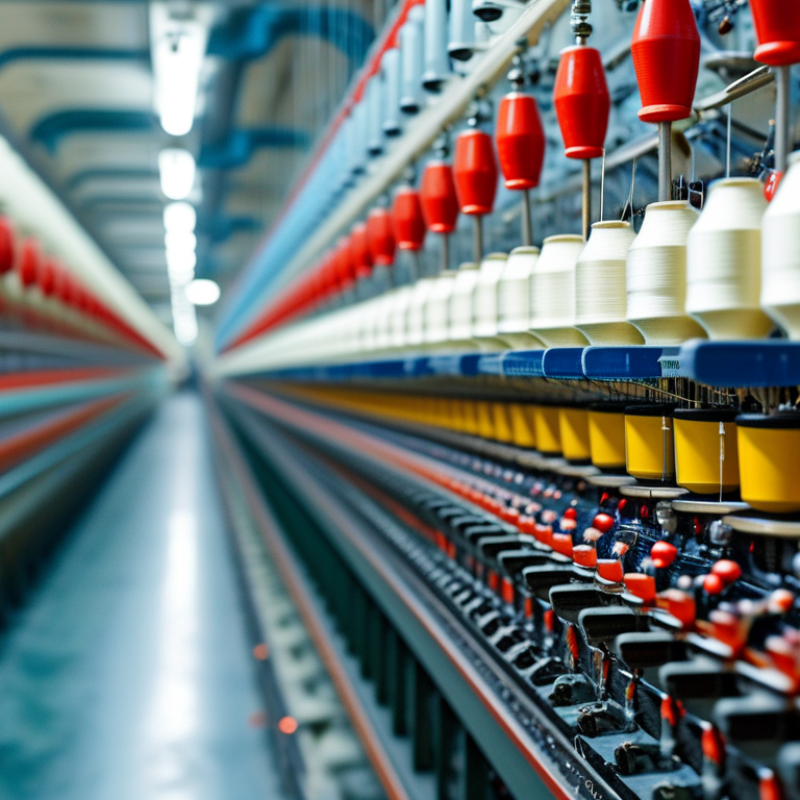
As the textile industry evolves, so do the technologies within ring spinning machines. The year 2026 brings forth a range of innovations. These advancements focus on improving efficiency and sustainability. Smart sensors are emerging as vital components. They monitor machine performance in real-time, identifying issues before they escalate. This proactive maintenance reduces downtime and enhances productivity.
Another trend is the use of eco-friendly materials. Manufacturers are exploring biodegradable lubricants and recyclable components. This shift aligns with global sustainability goals. Advanced automation is also reshaping the landscape. Automated feeding systems streamline material input, minimizing waste. However, this increased reliance on technology poses challenges. Not all workers are trained for these advanced systems. Bridging this skills gap is crucial for a successful transition.
Data analytics is gaining traction too. By analyzing performance metrics, companies can optimize production processes. Yet, there are potential pitfalls. Over-reliance on data can lead to neglecting human insight. Striking a balance between technology and human expertise is essential. As we approach 2026, staying informed about these trends will be vital for industry players. The future is exciting but complex. Embracing change while recognizing its challenges is key.
When considering ring spinning machines for the future, specific features can greatly enhance performance and efficiency. Look for machines with advanced technology for better yarn quality. Improved spindle speeds lead to increased production rates. Automation is gaining traction and helps reduce labor costs. Machines equipped with smart sensors can monitor and adjust settings on the fly.
Energy efficiency is another critical aspect. Many modern machines consume less power without compromising performance. This not only lowers operational costs but also aligns with sustainability goals. Additionally, ensure the machine has a user-friendly interface. Operators should find it easy to make adjustments and troubleshoot issues.
While high-tech features are appealing, consider the reliability and maintenance of the machines. Some models may require frequent servicing, which can disrupt production. It's essential to weigh the benefits against potential downtime. Investing in a machine with a strong track record can pay off in the long run, but it's crucial to do thorough research.
Sustainability is reshaping ring spinning technology. As the textile industry faces increasing environmental scrutiny, manufacturers must adapt. Implementing eco-friendly practices is not optional; it’s essential for remaining competitive.
Tips: Regular audits can improve your sustainability practices. Track energy consumption and waste. Make small adjustments that lead to significant savings.
Innovations in ring spinning machines focus on reducing energy and water usage. Many machines now feature energy-efficient motors and advanced automation. This cuts down on production costs and environmental impact.
Tips: Experiment with machine settings. You might find new ways to minimize resource use. Engage your team in this process for broader insights.
The future of ring spinning hinges on sustainable practices. Companies that embrace these innovations can enhance their market position. However, not every change is straightforward. Challenges do arise as old systems are replaced with new technology. Adaptation will require patience and resilience.
The ring spinning machine market is evolving rapidly. In 2026, manufacturers will face new challenges. As technology advances, companies must adapt quickly. Automation and digital integration are becoming essential. Data analytics will help optimize production processes. This shift towards smart manufacturing will change how businesses operate.
Competitors are investing heavily in sustainable practices. Eco-friendly materials and energy efficiency are key trends. Balancing profitability with sustainability is not easy. Organizations must innovate while managing costs. Supply chain resilience is also critical as disruptions become common. Companies need agility to respond to unforeseen challenges.
Customer preferences are shifting too. Consumers increasingly demand high-quality, sustainable textiles. This trend drives manufacturers to rethink production strategies. Firms that prioritize quality and sustainability may gain a competitive edge. However, adapting to these changes requires careful planning and execution. Companies must embrace a culture of continuous improvement to thrive in this dynamic landscape.
This chart illustrates the projected growth in global demand for ring spinning machines across various sectors by 2026. The data indicates a marked increase in demand for sustainable and energy-efficient machines.
The ring spinning industry faces significant challenges and opportunities heading into 2026. According to recent data from the Textile Machinery Association, global demand for ring spinning machines is projected to grow by 4.5% annually. This growth is driven by the rising need for high-quality fabrics in fast fashion and technical textiles. Manufacturers must adapt to shifting consumer preferences and sustainability demands.
Challenges include rising raw material costs and supply chain disruptions. As noted by the International Textile Manufacturers Federation, nearly 70% of manufacturers reported difficulties in sourcing materials. This situation pressures operational efficiency. To remain competitive, manufacturers must innovate and invest in advanced technologies. Digital transformation is key. Integrating AI and machine learning enhances production processes and reduces waste.
Moreover, sustainability remains at the forefront. The Global Sustainable Textile Coalition reports that 60% of consumers prioritize eco-friendly products. Manufacturers face pressure to implement sustainable practices in production. This trend presents an opportunity for those willing to embrace change. Emphasizing sustainability in marketing can capture a growing segment of the market. Adapting to these evolving needs will define the future landscape of the ring spinning industry.
| Trend | Description | Potential Impact | Opportunities | Challenges |
|---|---|---|---|---|
| Increased Automation | Integration of AI and automation in ring spinning machines. | Higher efficiency and reduced labor costs. | Improved production rates and quality control. | High initial investment for technology. |
| Sustainability Focus | Development of machines using eco-friendly materials and processes. | Enhanced brand image and compliance with regulations. | Access to green financing and consumer preference for sustainable products. | Potential higher costs for sustainable materials. |
| Data-Driven Decision Making | Utilization of data analytics for production optimization. | Increased operational efficiency and reduced waste. | Real-time insights for proactive decision-making. | Need for skilled workforce to interpret data. |
| Customization and Flexibility | Rise in demand for customized yarns and flexible manufacturing systems. | Ability to cater to niche markets and customer preferences. | Attracting diverse clients and adapting to market changes. | Complexity in machine setups and transitions. |
| Integration of IoT | Implementation of Internet of Things for machine connectivity. | Enhanced monitoring and predictive maintenance. | Minimized downtime and optimized maintenance schedules. | Cybersecurity risks associated with connected devices. |