
Leave Your Message

2026 Top Water Jet Looms for Textile Buyers?

Choosing a water jet loom in 2026 is not just a speed decision. Buyers must match fabric specifications, available utilities, and maintenance capacity to the machine. Water-jet weaving is commonly considered for suitable filament fabrics, but performance depends on yarn, construction, and process settings. A fast loom can still be the wrong investment.

Industry data helps set the context. Textile Exchange’s Materials Market Report 2024 estimates that global fiber production reached 124 million tonnes in 2023. That figure signals the scale of textile manufacturing, not demand for any specific loom. ITMF’s International Textile Machinery Shipment Statistics provides a more direct reference by tracking machinery shipments across loom technologies. Shipment data, however, cannot establish a model’s uptime or service quality. Look closely at the details.

This guide compares leading water jet looms through practical buyer criteria: operating speed, fabric range, water management, controls, spare-parts access, and after-sales support. It also considers where a Water Jet Machine Textile setup may fit—and where another weaving method deserves a closer look. Ask suppliers for trial results using your actual yarn and fabric construction. Request clear energy and water-use figures, too. Numbers vary by conditions. That is easy to overlook. Treat published specifications as a starting point, not a guarantee; the best choice still depends on your mill’s real production needs.
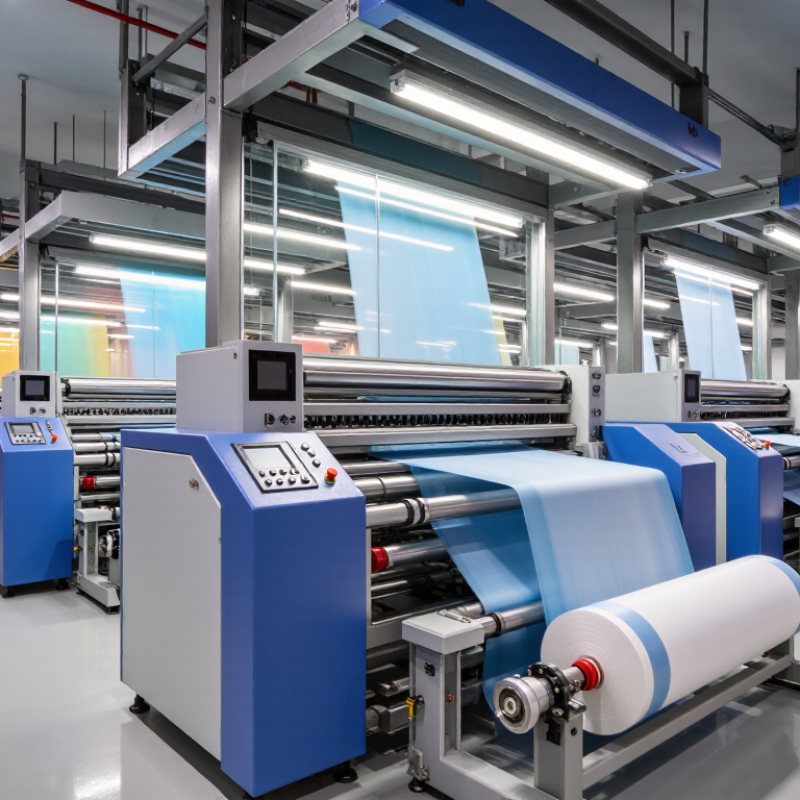
2026 Top Water Jet Looms for Textile Buyers?

How Water-Jet Looms Form Fabric

A water-jet loom forms fabric by pushing a weft yarn across the shed—the opening between raised and lowered warp threads—with a narrow water stream. As the yarn reaches the far side, the reed beats it into place. The warp then shifts, creating a new shed for the next pick. Fast and precise, the process suits many smooth, water-resistant filament yarns, including polyester. Textile Exchange’s Materials Market Report 2024 estimates that global fiber production reached 124 million tonnes in 2023, with polyester making up 57%. That scale helps explain the demand for efficient filament weaving, though fiber volume alone does not determine which loom is right.

Tips: Check yarn compatibility, water quality, and fabric width before comparing machine speeds. Watch a trial run closely: uneven tension or a poorly timed jet can leave visible weft bars. Water use matters, too. Water propels the yarn, but it does not automatically make the process resource-efficient. The choice is not always obvious; fabric feel and production conditions can change the result. And a sample may look perfect while hiding a setup that is difficult to maintain.

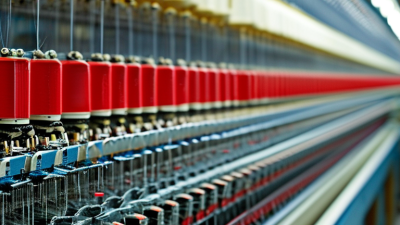
Key Components and Specifications of Modern Water-Jet Looms

2026 Top Water Jet Looms for Textile Buyers?

A modern water-jet loom depends on coordinated components, not speed alone. The main nozzle carries the weft across the shed, while a pump and accumulator deliver a controlled water pulse. The reed beats each pick into place. Let-off and take-up systems manage warp tension and cloth winding. A stable warp path matters. Even a small tension mismatch can cause stops, loops, or uneven edges.

Compare effective weaving width, rated speed, and compatible yarn ranges before reviewing a quotation. Ask which fabric construction and yarn count were used to measure the stated speed. Nozzle pressure, water flow, filtration, and drainage all affect pick quality and maintenance. Check for repeatable control settings, useful fault alarms, and accessible wear parts. Water-jet looms often suit hydrophobic filament yarns, but finishes and fabric design can change that fit. A brochure cannot show every production compromise. Trial runs may reveal issues that specifications miss.

Tips: Request a sample weave using your own yarn. Check edge quality, water use, and stoppage frequency. Results can vary between yarn lots.

Leading Water-Jet Loom Options for Textile Buyers in 2026

Leading Water-Jet Loom Options for Textile Buyers in 2026

Water-jet looms can suit mills producing polyester filament fabrics, where smooth yarn runs quickly through the shed. They are less versatile with absorbent natural fibers, which may need different insertion methods and handling. Check the yarn range first. Textile Exchange’s Materials Market Report 2024 estimates global fiber production reached 124 million tonnes in 2023. That figure describes the wider fiber market, not water-jet loom demand. Buyers should treat it as context, not a sales forecast.

Compare candidate machines using the same fabric specification: yarn type, width, picks per inch, and target speed. Request a sustained-production trial, not only a peak-speed demonstration. Watch the selvedge, stop marks, and fabric tension under real shift conditions. Ask suppliers to document water circulation, filtration needs, energy use, and maintenance intervals. A low purchase price can look attractive until pumps, filters, and downtime enter the calculation. Not every mill needs the fastest model. One caveat: published performance figures may not reflect your yarn quality or operator experience. Ask for comparable trial data, then verify it on your own floor before committing.

How to Compare Loom Performance, Fabric Range, and Efficiency

2026 Top Water Jet Looms for Textile Buyers?

When comparing water jet looms, look beyond the advertised speed. Check actual output during a full shift, including stops for filling changes, cleaning, and routine adjustments. Ask for production records on fabric similar to yours. A glossy sample roll proves little.

Fabric range matters just as much. Confirm the loom handles your target width, yarn type, and fabric density without frequent defects. Water jet weaving suits many synthetic filament fabrics, but it is not a universal choice. Test a short run. Inspect selvages, pick consistency, and surface marks under steady lighting. Small flaws count.

Efficiency is more than meters per minute. Compare water and power use per unit of acceptable fabric, then include waste, operator workload, and maintenance time. One detail is easy to miss: local water conditions can affect cleaning needs and operating costs. No machine wins every category, and buyer comparisons are rarely perfect.

Tips: Request a trial using your own yarn. Record speed, stoppages, and usable output. Keep the test conditions consistent. A slightly slower loom may deliver better results.

Factors to Consider Before Purchasing a Water-Jet Loom

Before purchasing a water-jet loom, match its capabilities to the yarns and fabrics you actually plan to produce. These looms are commonly suited to continuous-filament synthetic yarns, but water-sensitive materials may need another weaving method. Check the required fabric width, pick density, and expected production mix. A fast machine is not automatically the right machine.

That matters. Ask for a trial using your own yarn and target construction, not just a standard sample. Observe fabric formation, selvedge quality, and stoppages during a sustained run.

Test it first. Water quality can affect machine performance, so review filtration needs, water use, and options for managing or reusing process water.

A showroom demonstration may not reflect your factory conditions.

Compare the full operating setup, not only the purchase price. Look at power requirements, routine maintenance access, spare-part availability, and the training operators will receive. Ask how quickly common wear parts can be inspected or replaced.

Measure output under realistic settings; production figures alone can hide changeover time and downtime.

Some details are easy to overlook. I would also leave room in the evaluation for uncertainty: a promising trial is useful, but several weeks of production may reveal issues a short test misses.