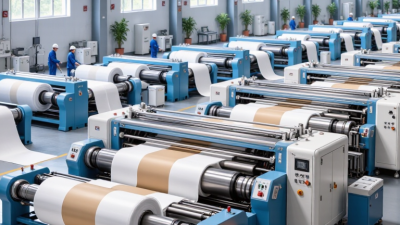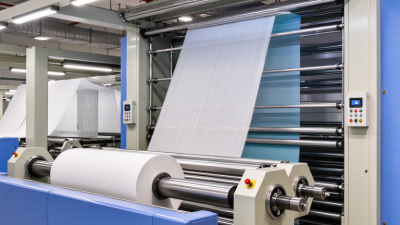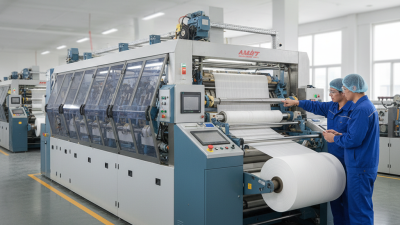
Choosing the right machine begins with understanding the fabric, not the machine brochure. A Padding Machine Textile must match fabric width, weight, fiber type, and finishing chemistry. Cotton, polyester, wool, and blended fabrics react differently under pressure and heat. A setting that works for woven cotton may damage delicate knitted material.
In practical factory evaluations, I check the padding trough, roller pressure, speed range, and fabric tension control. These details affect liquor pickup, shade consistency, and edge quality. A stable machine should maintain even pressure across the full working width. Small variations can create visible streaks after drying.
Look closely at the control system. Clear displays and repeatable recipes reduce operator errors. Good accessibility also matters. Operators should clean the trough, inspect rollers, and adjust guides without unsafe or awkward movement. Maintenance should be simple.
Think beyond purchase price. Energy use, spare-part access, technical support, and training can change the real investment. Ask the supplier for test results using your own fabric and chemicals. Sample testing reveals problems that polished demonstrations may hide.
No machine is perfect.
I would also question promised production speeds. Maximum speed may reduce pickup accuracy or increase fabric tension. A slower, consistent process can deliver better commercial results. This guide explains how to compare machine structure, performance, safety, and long-term reliability before making a confident decision. Some choices remain uncertain, especially when future fabrics or finishes are not yet known. That uncertainty deserves careful planning, not rushed confidence.
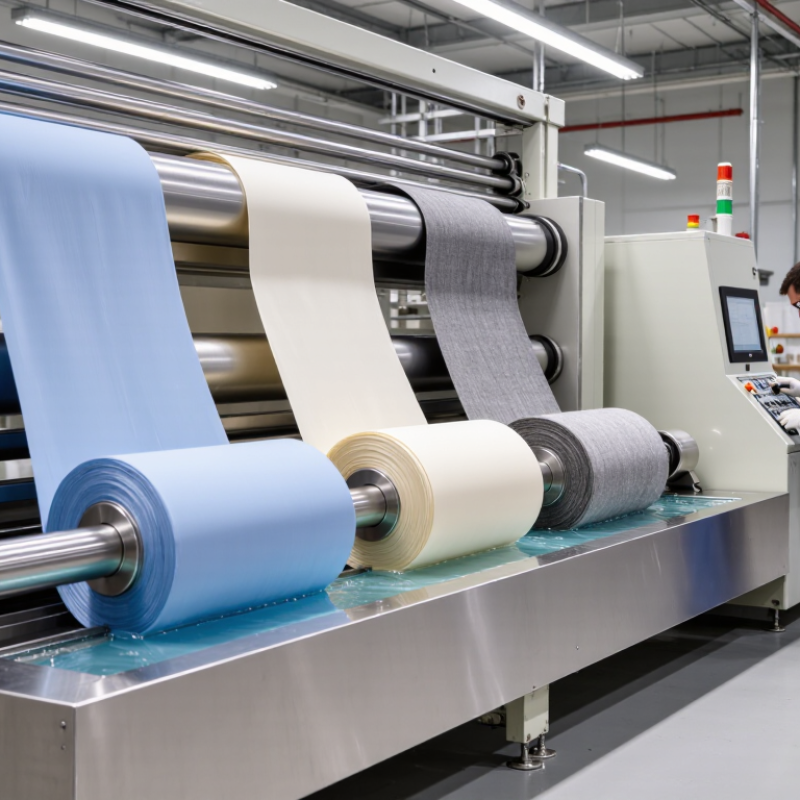
A textile padding machine applies a controlled liquid treatment to fabric. The fabric passes through a treatment trough and two pressure rollers. These rollers remove excess liquid and regulate chemical pickup. The process supports dyeing, finishing, softening, and functional coating applications.
The machine’s core functions include fabric impregnation, squeezing, tension control, and continuous transport. A reliable model should provide adjustable roller pressure and stable line speed. It should also handle different fabric widths and thicknesses. Operators commonly check the wet pickup percentage during production.
This measurement shows how much liquid remains in the fabric after squeezing. Small changes can affect drying energy and final fabric performance.
From practical production experience, fabric tension deserves careful attention. Excessive tension may distort knitted materials, while weak control can cause wrinkles. A clean trough and well-aligned rollers also reduce contamination risks. Some machines offer automatic pressure adjustment, but automation cannot replace inspection. I have seen settings that looked correct yet produced inconsistent results after fabric changes. That weakness should be considered during machine selection. Ask whether calibration, cleaning, and roller replacement are straightforward. The best choice depends on fabric type, treatment viscosity, production speed, and required consistency.
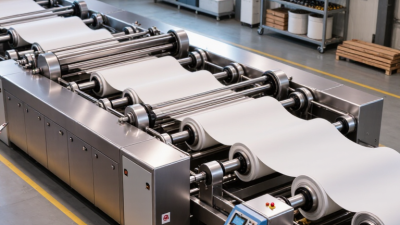
Choosing a textile padding machine starts with identifying the fabric, not the machine frame. Knitted fabric stretches, woven fabric resists distortion, and technical textiles may require controlled tension. Record fiber content, fabric weight, width, absorbency, and heat sensitivity. Textile Exchange’s Materials Market Report 2024 estimated global fiber production at 124 million tonnes in 2023. This volume reflects enormous material variety, not a universal finishing recipe.
Define the process target precisely. Specify wet pick-up, chemical viscosity, nip pressure, drying temperature, line speed, and acceptable shade variation. A 2.2-meter fabric running at 30 meters per minute creates about 66 square meters of processing area each minute. That calculation helps assess pump capacity, dryer length, and operator workload. Small trials matter. Measure wet pick-up across the fabric width, then repeat after changing roller pressure. A neat specification sheet can still mislead.
Production requirements decide the machine’s practical value. The ITMF International Textile Machinery Shipment Statistics 2024 shows continuing investment in textile production equipment, but shipment data does not prove suitability for every fabric. Ask for documented trial results, cleaning time, recipe changeover time, and energy use. Check whether the machine maintains stable pressure during long runs. Sometimes, higher speed produces poorer penetration. That trade-off deserves honest review.
Fabric weight is a practical first check when selecting a padding machine. Compare the typical GSM range of the material with the machine’s working width, nip control, and tension-handling capability.
How to use this chart: Lightweight fabrics usually require gentle tension control and accurate low-volume application. Heavier woven fabrics may require higher nip stability and stronger mechanical handling. Final machine selection should also consider fiber type, chemical formulation, padding process, fabric width, target wet pickup, line speed, and batch consistency. GSM ranges are typical industry ranges and can vary by construction and end use.
Padding machine selection begins with fabric structure, production scale, and chemical pickup targets. A two-roll foulard suits routine continuous dyeing and finishing, while a three-roll design offers tighter control for delicate or uneven fabrics. Open-width machines reduce crease risk on woven goods. Rope-form configurations can save floor space, but they may create folding marks on sensitive knitted fabrics. Check the fabric path by hand, not only on a specification sheet.
Operating configuration matters as much as machine type. A single-nip setup is simpler and easier to maintain. A double-nip arrangement improves liquor removal and pickup consistency. Pneumatic nip loading supports quick pressure changes, while hydraulic systems may deliver steadier force during long runs. Record line speed, roller hardness, nip pressure, bath temperature, and wet pickup during trials. Small differences become visible as shade bands.
Textile Exchange’s Materials Market Report 2024 recorded global fiber production at about 124 million tonnes in 2023. It projects roughly 160 million tonnes by 2030. That growth increases pressure to reduce reprocessing, water use, and chemical waste. A low-liquor padding line can help, but the claim needs plant-level measurement. The Sustainable Apparel Coalition’s Higg Facility Environmental Module also emphasizes tracking water, energy, and chemical impacts. Do not select the fastest machine automatically. A slower line with stable pickup may produce less waste. I have found that real fabrics often challenge laboratory settings. Pilot trials remain essential.
How to Choose a Padding Machine for Textiles?
Evaluate Key Performance, Quality, and Safety Features
Choosing a padding machine starts with the fabric, not the machine catalogue. Identify the textile type, target weight, width, and finishing chemistry. A machine handling delicate knits needs gentler tension control than one processing heavy woven fabric. Check the working width and speed range against your real production schedule. A high maximum speed may look impressive, but unstable fabric movement can create uneven pickup and visible streaks.
Measure performance during a trial run. Inspect wet pickup across the fabric width, roller pressure stability, and moisture consistency after several minutes. Use the same fabric roll when comparing settings. Small changes in nip pressure can affect shade, shrinkage, and handle. Ask for repeatability data, calibration records, and maintenance instructions. Do not rely only on demonstration samples.
Safety deserves equal attention. Confirm that rotating rollers have fixed guards, accessible emergency stops, and clear warning labels. Interlocked covers should stop movement before an operator can reach hazardous areas. Temperature controls need alarms and reliable overheat protection. Examine the electrical cabinet, cleaning access, and chemical-resistant surfaces. Poorly designed drainage can leave slippery liquid near the operator’s feet.
I would also test noise, vibration, and adjustment time. These details are easy to overlook. In practice, they influence fatigue and daily output. One weakness may remain: a machine can perform well with one fabric but poorly with another. Keep trial records, involve operators, and question results that seem unusually perfect.
| Evaluation Dimension | Recommended Reference or Range | Why It Matters | Quality and Verification Points | Priority |
|---|---|---|---|---|
| Working Width | Select a width that covers the usable fabric width, with sufficient edge clearance. | A suitable width prevents untreated edges, fabric folding, and unnecessary material waste. | Confirm the effective nip width, fabric path, edge guides, and compatibility with the widest production fabric. | Critical |
| Fabric Speed | Common production ranges are approximately 10–80 m/min, depending on fabric and process. | Speed affects productivity, contact time, chemical application, and the risk of fabric deformation. | Check the stable operating range rather than only the maximum speed; verify low-speed control and acceleration performance. | High |
| Wet Pick-Up Control | Use a controllable target suited to the recipe; many padding processes operate roughly within 50–100% wet pick-up. | Consistent wet pick-up supports uniform chemical concentration and repeatable shade or finishing results. | Look for adjustable nip pressure, a stable liquor level, reliable squeezing, and trial results across different fabric constructions. | Critical |
| Nip Pressure Adjustment | Pressure should be independently adjustable and repeatable across the working width. | Correct pressure controls liquor expression and helps reduce cross-width variation. | Evaluate pneumatic or hydraulic regulation, pressure indication, automatic compensation, and calibration records. | Critical |
| Roller Surface and Hardness | Use chemical-resistant, resilient coverings selected for the liquor and fabric type. | Roll condition influences pressure distribution, fabric marks, slip, and service life. | Check roller runout, crown or deflection compensation, covering uniformity, hardness certification, and replacement availability. | High |
| Liquor Trough Design | The trough should maintain adequate circulation and a stable working level for the planned fabric speed. | Good liquor management limits concentration changes, foaming, contamination, and uneven wetting. | Inspect drainage, filtration, agitation or circulation, low-level protection, cleaning access, and corrosion resistance. | High |
| Fabric Handling | The machine should support the required fabric weight, elasticity, construction, and open-width or rope configuration. | Proper handling reduces wrinkles, skew, stretching, edge damage, and fabric entanglement. | Test lightweight knits, woven fabrics, stretch materials, and delicate constructions when they are part of the product mix. | Critical |
| Control and Data Logging | A practical system should display and record speed, nip pressure, temperature where applicable, and production length. | Recorded parameters improve recipe repeatability, troubleshooting, and production traceability. | Check recipe storage, user permissions, alarm history, sensor accuracy, data export, and manual override controls. | High |
| Safety Protection | Provide guarding at nip points, emergency stops, interlocked access doors, and restart prevention. | Nip rollers and driven components can cause crushing, drawing-in, or entanglement injuries. | Verify risk assessment, emergency-stop response, guard interlocks, lockout/tagout provisions, warning labels, and operator visibility. | Mandatory |
| Chemical and Electrical Safety | Materials and electrical components should match the chemicals, moisture level, and installation environment. | Compatibility reduces corrosion, leakage, electric hazards, and premature component failure. | Review wetted-part materials, grounding, enclosure protection, cable routing, chemical-resistant seals, and safety documentation. | Mandatory |
| Cleaning and Maintenance | Choose a design with accessible rollers, drains, filters, inspection points, and replaceable wear parts. | Fast cleaning helps prevent contamination, buildup, odor, and unplanned downtime. | Assess daily cleaning time, tool access, washdown limitations, lubrication points, spare-part lead time, and service instructions. | High |
| Energy and Resource Efficiency | Compare motor power, liquor volume, heat loss, compressed-air demand, and standby consumption. | Lower resource use can reduce operating cost and wastewater load without sacrificing process control. | Request measured consumption data under comparable operating conditions rather than relying only on rated power. | Important |
| Acceptance Testing | Define measurable targets for wet pick-up variation, speed stability, fabric quality, alarms, and safety functions. | A documented test confirms that the machine meets production needs before final acceptance. | Use representative fabrics and recipes; record test conditions, results, calibration status, operator training, and corrective actions. | Critical |
Note: Performance ranges are general textile-processing references. Final specifications should be confirmed through trials using the actual fabric constructions, chemicals, production speed, and safety requirements.
Choosing a textile padding machine starts with total cost, not the purchase price. A cheaper unit may require frequent roller changes, manual cleaning, and longer setup time. Ask for documented energy use, spare-part prices, and service response times. The International Energy Agency reports that electric motor systems use roughly 70% of industrial electricity. Efficient drives can therefore reduce operating costs over several years.
Maintenance details deserve close inspection. Check whether operators can remove rollers without special tools. Look for accessible pumps, sealed bearings, corrosion-resistant frames, and simple software diagnostics. Textile Exchange’s 2024 Materials Market Report estimates global fiber production reached 124 million tonnes in 2023. This scale increases pressure for stable, repeatable finishing, even in smaller factories. A machine that wastes chemical liquor during uneven padding can quietly damage both margins and production targets.
Future capacity should guide the specification. Compare today’s fabric width, line speed, and batch size with realistic three-year demand. The ITMF International Textile Machinery Shipment Statistics reports continuing investment in finishing equipment, reflecting manufacturers’ need for higher productivity and flexibility. Do not automatically choose the largest model. Oversized rollers may increase energy use and cleaning time. I have seen capacity plans fail because product changes were ignored. Leave space for an extra dosing unit, wider fabric, or a second shift. The perfect forecast rarely exists.