Top 10 Automatic Textile Machines for Global Buyers?
In today's fast-paced textile industry, the demand for efficiency and innovation has skyrocketed. Experts like Dr. Thomas E. Harmon, a leading specialist in textile engineering, emphasize the significance of advanced technology. He states, "Automatic Textile Machines have transformed the way we produce fabrics, enhancing both speed and precision."
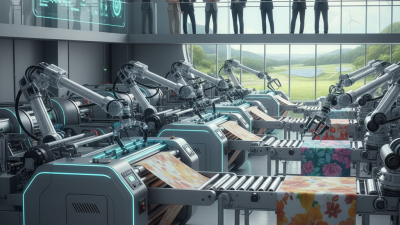
Automatic Textile Machines are essential for global buyers looking to optimize production. These machines improve operational efficiency and lower labor costs. Their ability to operate with minimal human intervention makes them a game changer. With the growing emphasis on sustainability, many of these machines incorporate eco-friendly technologies, blending functionality with environmental responsibility.
However, not all Automatic Textile Machines are created equal. Buyers should carefully evaluate their needs and the specific capabilities of each machine. While automation offers numerous benefits, including increased productivity, there can be challenges. Integration with existing systems may require adjustments and troubleshooting, prompting reflection on best practices in implementation. The journey to selecting the right Automatic Textile Machine is complex, yet rewarding.

Overview of Automatic Textile Machines in the Global Market
The global market for automatic textile machines is evolving rapidly. Increased automation is driving efficiency and reducing labor costs. According to a report by MarketsandMarkets, the automatic textile machinery market is projected to reach USD 8.6 billion by 2025. This surge reflects an annual growth rate of 5.4% from 2020 to 2025.
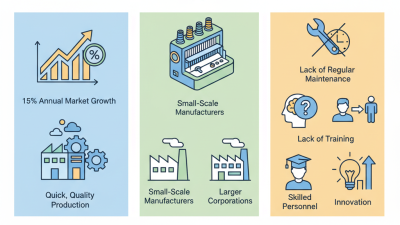
Demand for these machines is influenced by trends in sustainable production. Companies are investing in technologies that minimize waste and energy consumption. In fact, a survey by textile experts indicated that 70% of global textile manufacturers prioritize eco-friendly machinery. However, transitioning to fully automated systems can be challenging. Many companies face high initial investment costs and the need for skilled operators to manage these complex machines.
Despite advancements, several issues remain in the industry. For instance, while automation enhances speed, it can sometimes compromise quality. Reports suggest that a small percentage of automated machines generate higher defect rates. Furthermore, real-time data monitoring and maintenance remain significant challenges for many manufacturers. Innovators must address these gaps to harness the full potential of automatic textile machinery in an ever-competitive market.
Key Factors to Consider When Choosing Automatic Textile Machines
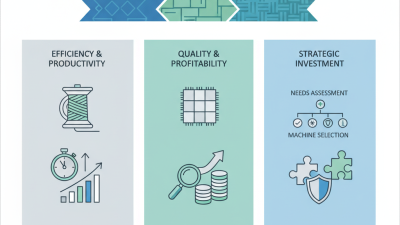
When selecting automatic textile machines, consider several crucial factors. The type of fabric you work with plays a significant role. Different machines cater to various materials, so ensure compatibility. Also, assess the production capacity needed. Balance between efficiency and quality is essential.
Tips: Always verify the machine’s reliability through user reviews. Reliable machines reduce downtime and improve productivity. It may require extra time but can save costs in the long run.
Additionally, think about the ease of operation. User-friendly interfaces reduce training time for employees. Simplified processes can enhance overall workflow. However, machines with excessive complexity can lead to potential errors.
Tips: Ensure your team gets proper training. Training reduces mistakes and increases machine longevity. Also, consider the availability of spare parts. Supply chain issues can halt production quickly if parts are hard to find.
Top Features of Automatic Textile Machines for Efficient Production
Automatic textile machines are revolutionizing the industry. They enhance production efficiency by streamlining processes and minimizing manual labor. According to a recent industry report, automation can boost productivity by up to 30% in textile manufacturing. This shift enables manufacturers to meet increasing global demands while controlling operational costs.
Key features of these machines include advanced technology integration. Many models utilize sensors for real-time monitoring and quality assurance. This minimizes defects and reduces waste, as noted in a study showing that automation decreases material waste by up to 25%. Furthermore, energy-efficient designs in modern machines support sustainability initiatives. Yet, the initial investment can be significant, which raises concerns for smaller manufacturers.
The flexibility of automatic textile machines is another crucial aspect. They can adapt to various fabric types and production scales. However, the steep learning curve for staff can hinder smooth transitions. Training and support become essential as companies navigate this change. As the textile sector evolves, these features will play a vital role in shaping competitive advantage and operational success.
Top 10 Automatic Textile Machines for Global Buyers
This chart displays the efficiency ratings of the top 10 automatic textile machines available in the market, measured by production speed (in meters per minute) and versatility (number of fabric types supported).
Leading Manufacturers of Automatic Textile Machines Worldwide
The textile machinery industry is evolving rapidly. Automatic machines play a vital role in enhancing efficiency and production quality. Global manufacturers are striving to deliver innovative solutions. They focus on automation, precision, and sustainability. This shift is essential to meet the increasing demands of consumers.
Leading manufacturers are making strides in technology. They implement smart features to optimize the production process. However, issues like maintenance and operator training remain. This can strain resources and hinder smooth operations. Companies face challenges in adapting to the latest advancements while ensuring reliability.
Quality and performance are paramount. Manufacturers must prioritize durability and user experience. Engaging with users can yield valuable feedback. This reflection can help brands improve their offerings. The pursuit of excellence in automatic textile machines is ongoing. Continuous adaptation is required to stay competitive in a dynamic market.
Top 10 Automatic Textile Machines for Global Buyers
| Machine Type |
Features |
Production Capacity (units/hour) |
Energy Efficiency Rating |
Price Range (USD) |
| Automatic Spinning Machine |
High-speed spinning, low noise |
1200 |
A+ |
20,000 - 30,000 |
| Automatic Weaving Machine |
Multi-functional, programmable |
800 |
A |
15,000 - 25,000 |
| Automatic Knitting Machine |
High precision, easy maintenance |
600 |
B |
12,000 - 22,000 |
| Automatic Dyeing Machine |
Eco-friendly, fast cycle |
400 |
A+ |
30,000 - 50,000 |
| Automatic Stitching Machine |
High-speed stitching, smart controls |
1000 |
A |
10,000 - 20,000 |
| Automatic Cutting Machine |
Laser cutting, high accuracy |
300 |
B+ |
25,000 - 35,000 |
| Automatic Folding Machine |
Speed adjustable, compact design |
250 |
A |
5,000 - 15,000 |
| Automatic Quilting Machine |
Multiple patterns, high speed |
200 |
A+ |
18,000 - 28,000 |
| Automatic Finish Machine |
Polishing, shaping capabilities |
150 |
B |
8,000 - 12,000 |
| Automatic Inspection Machine |
Defect detection, AI integration |
1000 |
A++ |
35,000 - 45,000 |
Future Trends in Automatic Textile Machinery Technology
The future of automatic textile machinery is evolving rapidly. Advances in automation technologies are reshaping the industry landscape. Smart machines are integrating AI to enhance productivity and efficiency. This change allows for greater precision in fabric production. Additionally, data analytics is playing a crucial role in optimizing operations.
Sustainability is becoming a focal point in textile machinery development. Many manufacturers are exploring eco-friendly materials and energy-efficient processes. However, implementing these technologies can be challenging. Not all companies are ready to invest heavily in new machinery. There are obstacles in training workers to use advanced technology effectively.
Moreover, the shift towards automation raises questions about job displacement. While machines can perform many tasks, human expertise is irreplaceable. Balancing automation with skilled labor remains a critical concern. The industry must adapt and evolve continuously to meet future demands. Innovations are promising, yet they require careful consideration and strategic planning.