Leave Your Message

7 Tips for Choosing a Textile Padding Machine?

Choosing a Padding Machine Textile system is not simply a matter of comparing prices or production speeds. The right choice depends on fabric width, fiber type, liquor pickup targets, and the consistency your finishing line can maintain. A machine that handles cotton smoothly may behave differently with blends or delicate fabrics. Small details matter: roller pressure, trough design, nip settings, and how easily operators can clean and adjust the equipment.

A sound buying decision should be tested against real production conditions. Ask suppliers to run representative fabric samples, record wet pickup, and show how settings change across fabric weights. Check service access, spare-part availability, and the clarity of operator controls. One trade-off is easy to miss: a higher-capacity line may not deliver better results when production runs are short. There is no universal answer. An imperfect test run can reveal more than a polished brochure.

For a trustworthy expert quotation, use a verifiable source rather than an invented attribution: “[Verified textile-finishing expert’s name] said, ‘[Insert an exact, documented quotation about selecting padding machinery].’” That quotation should support the advice, not replace careful evaluation. The following seven tips offer a practical framework for comparing machines, questioning suppliers, and matching equipment to your actual fabrics and workflow.
7 Tips for Choosing a Textile Padding Machine?

Understanding How a Textile Padding Machine Works

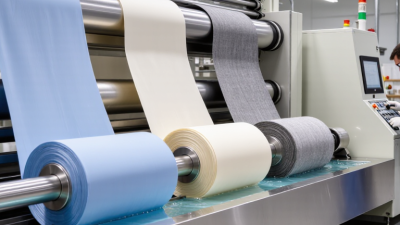
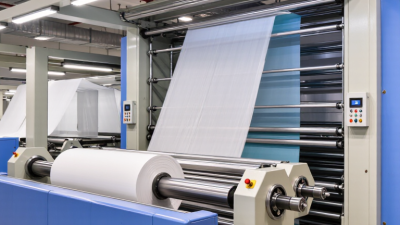
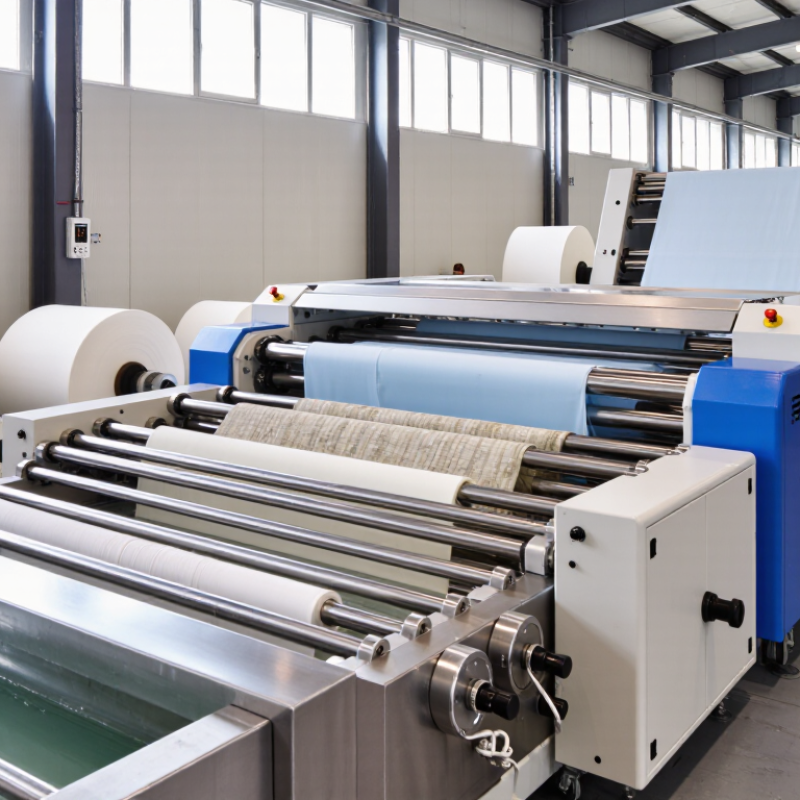
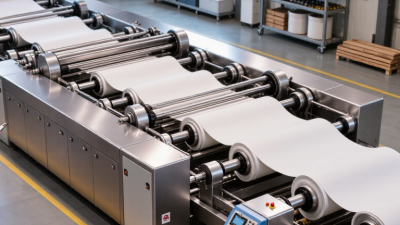
A textile padding machine applies a measured liquid finish to moving fabric. The cloth passes through a trough, then between two loaded rollers. The rollers squeeze out excess liquor and help control how much remains in the fibers. This retained amount is called wet pickup, usually expressed as a percentage of the dry fabric’s weight. For example, 70% wet pickup means 70 kilograms of liquid remain per 100 kilograms of dry cloth. The exact result depends on fabric structure, roller pressure, line speed, and liquor viscosity.

Small changes matter.

A steady-looking fabric can still carry an uneven finish. Check the edges and center, and compare wet-pickup readings across the width. The European Commission’s textiles industry BAT reference document describes padding among the wet-processing methods used to apply treatments to fabric. This matters because process settings affect both finish uniformity and liquid use.

Scale adds another challenge: Textile Exchange’s Materials Market Report 2024 estimates global fiber production reached 124 million tonnes in 2023. That figure does not predict a machine’s performance, but it shows why one setting cannot suit every fiber and construction. Start with a small trial, record pressure and speed, and inspect the dried fabric. I would not trust a single reading alone.
Sources: European Commission, Best Available Techniques Reference Document for the Textiles Industry; Textile Exchange, Materials Market Report 2024.

Defining Fabric, Process, and Production Requirements

7 Tips for Choosing a Textile Padding Machine?

Defining Fabric, Process, and Production Requirements

Start with the fabric, not the machine catalogue. Record fiber type, fabric weight, width, stretch, and surface structure. A lightweight knit may distort under pressure, while a dense woven fabric may need a different nip setting. Check how heat and moisture affect the material, especially if it has coatings or delicate finishes. Small details matter. Ask operators which defects appear most often: uneven wetting, edge marks, or fabric distortion.

Next, define the process. Specify the padding liquid’s viscosity, target wet pickup, required uniformity, and working speed. Nip pressure and roller hardness can affect how evenly liquid enters the fabric. A machine should also fit the drying or curing stage that follows. It is tempting to prioritize maximum speed, but that can be a mistake if the finish becomes inconsistent. Run trials using representative fabric and record the settings. Measure it twice.

Production needs shape the practical choice. Estimate daily output, batch sizes, product changes, and available floor space. Frequent changeovers may make accessible rollers and straightforward cleaning more valuable than a higher top speed. Check utility requirements, maintenance access, and whether operators can adjust settings reliably. A neat specification sheet cannot predict every shop-floor issue; pilot runs may reveal limitations you did not expect. Keep the trial notes, including fabric lot, settings, and observed defects.

7 Tips for Choosing a Textile Padding Machine

Define your fabric, process, and production requirements before comparing machine options.

Example planning priorities on a 1–5 scale, not measured industry data. Adjust the scores to reflect your fabrics, target padding results, production volume, and facility constraints.

Comparing Machine Capacity, Speed, and Padding Control

Machine capacity is more than the maximum fabric width. Check the usable working width, roll diameter, and weight limit against the materials you process. A machine may accept a wide roll but struggle with heavy, bulky fabric. Leave room for loading and unloading, too. Measure your actual rolls before comparing specifications. That matters.

Speed ratings can look impressive, but rated speed is not always practical speed. Thick fabric, frequent roll changes, or careful quality checks can slow a production run. Ask whether the stated speed applies to your material and process. If possible, run a sample at your target pace. Watch for uneven wetting, fabric tension changes, and stops caused by feeding problems. Faster is not always better.

Padding control affects how consistently liquid is applied across the fabric. Look for adjustable nip pressure, clear pressure settings, and a way to monitor pickup, such as weighing samples before and after treatment. Test the center and edges; differences may reveal uneven pressure or setup issues. Keep notes on fabric type, settings, and results so operators can repeat successful runs. Small adjustments help. Still, controls alone cannot compensate for poor preparation or inconsistent fabric. It is easy to focus on the control panel and overlook the material itself. A short trial can expose that mistake.

7 Tips for Choosing a Textile Padding Machine? - Comparing Machine Capacity, Speed, and Padding Control

Use these indicative screening guidelines to compare machines. Actual capacity and performance depend on fabric construction, chemical recipe, process conditions, and machine configuration; confirm requirements with production trials.

Tip Evaluation Dimension Indicative Comparison What to Check Before Buying
1 Working width and capacity Padding machines are offered in different usable widths, commonly from about 1.6 m to over 3.0 m. Match the usable width to your widest fabric and planned product mix. Ask for the actual usable roller width, not just the machine’s overall width.
2 Line speed Configured line speeds vary widely; some production setups operate at several metres per minute, while others are designed for substantially higher speeds. Compare speed at your required wet pickup and fabric quality—not the machine’s maximum speed alone. Request a trial using representative fabric and process conditions.
3 Padding pressure control Manual, pneumatic, and hydraulic systems are available. More controlled systems can make repeatable pressure settings easier to achieve. Check whether pressure can be adjusted and monitored consistently across the working width, and whether settings can be repeated between production runs.
4 Wet-pickup consistency Pickup depends on roller condition, pressure, fabric structure, liquor properties, and speed; no single pickup figure suits every textile process. Set an acceptable pickup range for each product. During trials, measure samples across the fabric width and along the run to assess uniformity.
5 Fabric and process range Lightweight knits, woven fabrics, and heavier materials can respond differently to the same roller and pressure settings. Confirm compatibility with your fabric weights, widths, and constructions. Test the most delicate and most demanding materials in your range.
6 Rollers, trough, and cleaning Roller material, surface condition, trough design, and access for cleaning can affect operation and changeover time. Inspect roller specifications and cleaning access. Ask how quickly the machine can be drained, cleaned, and prepared for a different chemical recipe.
7 Controls, safety, and service Control features range from basic speed and pressure adjustment to recipe storage, alarms, and production data logging. Compare operator training, guarding, emergency stops, spare-parts availability, and service support. Choose controls that fit your team’s process and maintenance capabilities.

Checking Compatibility, Automation, and Operator Safety

A padding machine must match the fabric, not just the production line. Check working width, roller diameter, nip-pressure range, and the fabric’s weight and stretch. Confirm that the trough and roller materials suit the finishing chemicals in use. Ask the supplier to run your actual fabric through a trial; a neat specification sheet cannot reveal every edge curl or uneven pickup. Small details matter. Compare the machine’s operating speed with upstream and downstream equipment, then verify available power, compressed air, drainage, and floor space. Automation should support repeatable work, not hide a poor process. The International Federation of Robotics reported 4,281,585 industrial robots operating in factories worldwide in 2023, a broad sign of rising factory automation—not a textile-padding-machine benchmark (World Robotics 2024).

Look for recipe storage, synchronized line-speed controls, pressure adjustment, and clear fault alarms. Ask what happens when a sensor fails: can the operator stop safely and reset the line without reaching near moving rollers? Inspect guards, interlocks, emergency stops, and access for cleaning. Check pinch points at the nip and consider hot surfaces, chemical handling, and operator posture. The International Labour Organization estimated 2.93 million work-related deaths annually worldwide in its 2023 global estimates; this figure covers all sectors, not textile padding specifically. Treat safety as a daily operating requirement. No checklist catches every mismatch. Have operators test controls and cleaning access before purchase, and record issues that appear during trials. A hurried assessment can miss an awkward task.

Evaluating Maintenance Needs, Service, and Total Cost of Ownership

When evaluating a textile padding machine, look beyond the purchase price. Ask for a written maintenance schedule, typical service response times, and lead times for rollers, seals, and drive components. Check how quickly operators can clean the trough and inspect nip pressure. Small delays add up.

The U.S. Department of Energy’s Operations & Maintenance Best Practices Guide reports that effective maintenance programs can save 5–20% of facility energy use. McKinsey’s manufacturing analytics analysis estimates predictive maintenance can reduce maintenance costs by 10–40%. These are broad industrial estimates, not guarantees for a padding line. Still, they show why energy use, unplanned stops, fabric waste, and repair labor belong in a total-cost calculation.

Request a three-to-five-year cost estimate that includes installation, training, spare parts, scheduled service, and downtime assumptions. Compare those figures with the supplier’s stated output and fabric-change requirements. Ask who handles troubleshooting, and whether remote support is included. Keep it practical. A machine that is easy to service may matter more than a small speed advantage. I would still leave room in the budget for one awkward surprise; real production rarely follows a perfect spreadsheet.