Leave Your Message

Top Textile Padding Machines for Sale Worldwide

Selecting among the top textile padding machines for sale worldwide requires more than comparing prices. A suitable machine must match the fabric, finishing process, production volume, and available floor space. This guide introduces the main features buyers can assess before contacting suppliers. Small details matter. A roller gap, for example, can affect how evenly a chemical finish reaches the fabric. The phrase Padding Machine Textile may appear in product searches, but specifications and demonstrations offer clearer evidence of a machine’s capabilities.

Padding machines vary in working width, roller design, speed control, and heating options. Some are designed for laboratory trials or small batches. Others support continuous production and wider fabric rolls. Buyers should check how operators adjust pressure and speed, and whether the machine handles their actual fabric types. Ask for details on installation, training, maintenance, and spare-part availability. A clear technical response is useful. A glossy brochure alone is not enough.

Before making a decision, compare documented specifications and request a trial using representative fabric, when possible. Observe the fabric entering and leaving the rollers. Look for consistent pickup, stable tension, and accessible controls. These checks cannot guarantee results in every production setting. No single specification tells the whole story. Supplier support, local service access, and operating costs also deserve attention. Some requirements become clear only after a machine is installed, which is frustrating but worth planning for. The following overview helps readers compare options with practical questions, rather than relying on broad claims or an attractive price alone.
Top Textile Padding Machines for Sale Worldwide

What Textile Padding Machines Are and How They Work

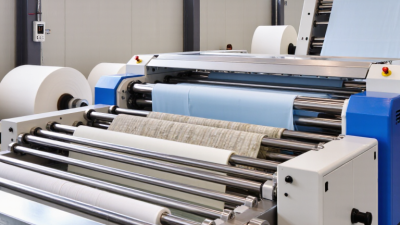
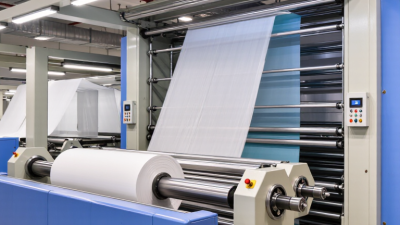
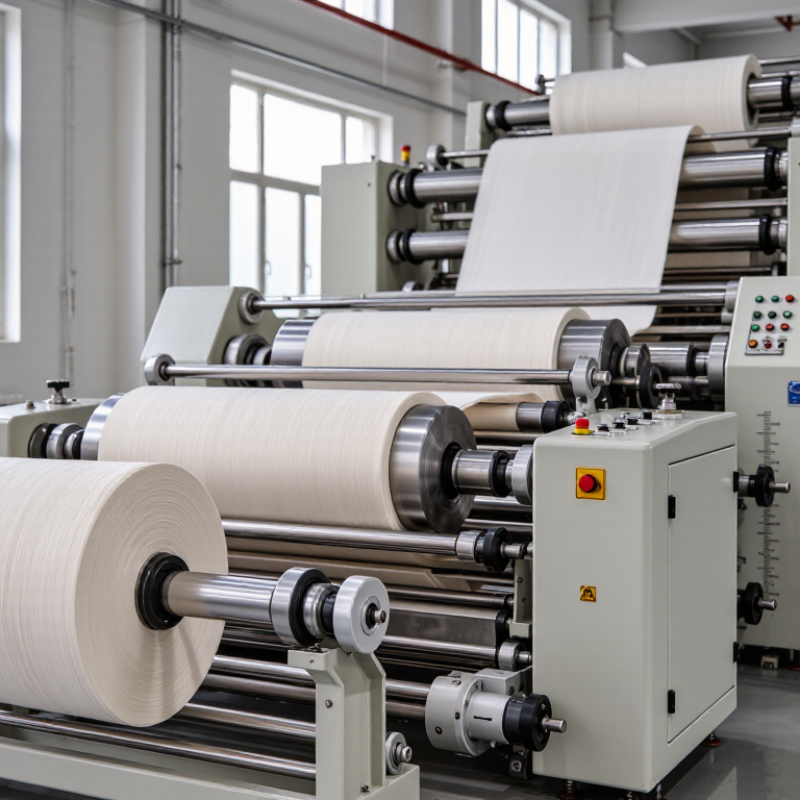
A textile padding machine applies a liquid treatment evenly to fabric. The cloth passes through a trough containing dye, a finishing solution, or another textile process liquid. It then travels between two or more rollers, called a nip. The rollers press out excess liquid and help control how much remains in the fabric. That retained amount is often called wet pickup.

Roller pressure matters. So do fabric speed, liquid concentration, and the fabric’s absorbency. A tightly woven cotton and a lightweight knit may behave differently in the same bath. Operators typically adjust the nip and run a small trial, then check the fabric for streaks and measure its weight before and after treatment. Small differences show. A setting that works for one material may not transfer neatly to another.

After padding, fabric may go through drying or curing equipment, depending on the treatment. Consistent results require a clean trough, steady liquid levels, and properly aligned rollers. Even then, perfect uniformity is not automatic; edges can pick up liquid differently, and viscosity can shift as a bath warms or concentrates. It is easy to trust a machine setting too much. Checking actual fabric samples helps reveal what the process is doing.
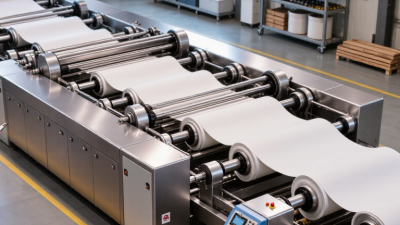
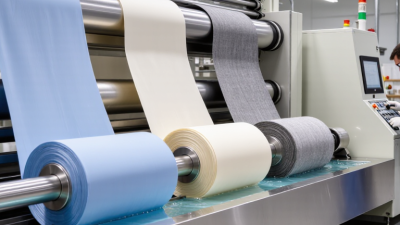
Main Types of Padding Machines Used in Textile Production

Main padding machines differ by roll layout and liquor application. A two-roll horizontal padder passes fabric through a shallow chemical bath, then squeezes it through an adjustable nip. Operators can tune pressure and line speed to manage wet pickup. The detail matters: uneven roll loading may leave pale bands across a damp cotton web. Three-roll systems add another contact point, which can help with demanding fabric constructions, but setup still needs testing.

Vertical padders save floor space in some lines, while laboratory padders help technicians trial recipes on narrow fabric samples before production. Foam-padding systems apply chemicals as foam rather than a full bath, useful when mills want lower liquor application. They are not a universal replacement; foam stability and fabric absorbency can complicate results. There is no perfect setup.

Textile Exchange’s Materials Market Report 2024 estimates global fiber production at 124 million tonnes in 2023. This is not a padding-machine shipment figure, but it shows the scale and variety of materials that finishing lines must handle. A practical selection should match fabric width, target wet pickup, chemical recipe, and cleaning needs. Test the actual fabric. Small trials often reveal problems that catalogue specifications miss.

Top Textile Padding Machines for Sale Worldwide - Main Types of Padding Machines Used in Textile Production

Machine Type Typical Configuration Common Applications Production Characteristics Key Selection Considerations
Laboratory Padder Compact two-roll or multi-roll unit with a small trough, adjustable nip pressure, and manual or motorized fabric feed. Recipe development, sample finishing, dyeing trials, and small fabric swatches. Designed for short runs and controlled experiments rather than continuous bulk production. Helps evaluate liquor pickup and process settings on a small scale. Check usable fabric width, nip-pressure adjustment, roll covering, speed control, and whether the unit suits the required sample size and test method.
Two-Roll Padding Mangle Two opposed rolls form an adjustable nip; fabric passes through a treatment trough and then between the rolls. Applying dyes, resins, softeners, water-repellent finishes, and other aqueous textile treatments. A common general-purpose arrangement. Nip pressure and roll conditions influence how much treatment liquor remains in the fabric. Consider working width, roll diameter and covering, pressure range, trough design, fabric tension control, and compatibility with the treatment liquor.
Three-Roll Padding Mangle Three rolls arranged to provide additional fabric contact and a controlled squeeze, with the exact layout varying by machine design. Processes requiring extra control over liquor application or fabric passage, including selected dyeing and finishing operations. Can offer more process flexibility than a basic two-roll unit, but the result depends on roll layout, loading, and fabric characteristics. Confirm the roll arrangement, pressure-control method, cleaning access, fabric path, and whether the configuration suits the intended process.
Horizontal Padding Mangle Rolls are arranged horizontally; fabric commonly enters and exits along a horizontal or near-horizontal path. General fabric padding in laboratory, pilot, and production settings, depending on machine size and line integration. May simplify loading and fabric guidance for some layouts. Floor-space needs and operator access depend on the complete line design. Assess machine footprint, fabric entry and exit height, operator access, drainage, and integration with upstream and downstream equipment.
Vertical Padding Mangle Rolls are arranged vertically, with the fabric guided through the padding zone in a vertical path. Padding and finishing lines where a vertical fabric route fits the available plant layout. Can help adapt a padding stage to specific space or line arrangements. Fabric guidance and tension must be suited to the material. Check available headroom, fabric support and guiding, access for roll maintenance, and how the vertical path affects handling of the fabric.
Continuous Padding Unit Padding trough and squeeze rolls integrated into a continuous fabric line, often with feeding, guiding, and tension-control equipment. Continuous dyeing and finishing of woven or knitted fabric in production runs. Supports continuous processing when matched with suitable upstream and downstream equipment. Line speed and treatment uniformity depend on the whole process setup. Compare working width, line-speed range, tension control, liquor circulation, line interface, and the fabric types and weights to be processed.
Laboratory or Pilot Foulard A padding assembly with a trough and one or more squeeze-roll nips, used for controlled liquor application; commonly configured for trials or pilot work. Laboratory and pilot-scale dyeing, chemical finishing, and process-development work. Useful for studying liquor application and pickup before scaling a process. Results still need validation on the intended production line. Review sample or pilot width, repeatability of pressure and speed settings, liquor handling, and available data or measurement options.
Padding Unit with Integrated Dryer or Curing Section A padding mangle connected to drying or curing equipment, such as a hot-air section; the complete arrangement depends on the required finish. Processes where a padded chemical treatment must be dried or thermally cured, subject to the chemistry and fabric requirements. Combines liquor application with a subsequent thermal stage. Drying and curing conditions must be appropriate for both the treatment and the textile substrate. Check temperature range, usable width, residence time, airflow or heating arrangement, exhaust requirements, and compatibility with the finishing recipe.
Configurations and performance vary by manufacturer, fabric, treatment chemistry, and production-line setup. Confirm process requirements and test representative material before purchase.

Key Features and Performance Factors to Compare

When comparing textile padding machines, focus on wet pickup consistency, nip-pressure control, working width, and line speed. A narrow pressure range can leave pale bands across a fabric roll. Ask suppliers for test results using your actual fabric and finishing liquor, not only standard samples. Small details matter.

Textile Exchange’s Materials Market Report 2024 estimates global fiber production reached 124 million tonnes in 2023, up from 116 million tonnes in 2022. This is not a machine-performance benchmark, but it highlights the variety of materials processors may handle. Check whether rollers suit delicate knits as well as heavier woven cloth. Measure the wet pickup. Also compare liquor-trough design, cleaning access, and recipe controls; retained liquid can vary when viscosity or fabric tension changes.

Look for repeatability data across several production runs, plus clear records of speed, pressure, and pickup. Not just speed. Energy use, changeover time, and spare-part access affect real operating costs. A brochure’s maximum speed can be misleading if pickup becomes uneven at that setting. Ask for a trial report showing fabric type, test conditions, and variation between samples. Reflect on one point: a precise laboratory result may not predict a humid, busy production floor.

How to Choose a Machine for Your Textile Applications

When comparing textile padding machines for sale worldwide, start with the fabric, not the machine’s advertised speed.

Measure your widest rolls and note whether you process woven cloth, knitted fabric, or delicate blends. These materials can react differently under nip rollers. A useful specification sheet should state working width, roller diameter, line speed, and pressure adjustment range. Check how easily operators can set repeatable pressure. Small differences matter.

Next, match the padding system to the chemical finish and required wet pickup. Ask whether the machine handles your solution’s viscosity and whether the trough and rollers are easy to clean. Test a representative fabric sample at several speeds, then compare pickup, shade uniformity, and edge-to-center consistency after drying.

Test real fabric. A catalog cannot reveal every wrinkle or stretch issue.

Consider controls, guarding, spare-part access, and routine maintenance, especially if production runs across shifts. Request a trial with your own recipe when possible. A fast line may still produce uneven results if fabric tension varies. Record tension and pressure alongside each trial, even when the first result looks acceptable.

Where to Find Textile Padding Machines for Sale Worldwide

Textile padding machines are sold through industrial machinery marketplaces, textile-equipment dealers, and used-machinery auction platforms. Search by machine type, working width, and region to find relevant listings. Regional dealers may offer local inspection and service, while international sellers can provide a wider selection. Used machines can be good value, but listing details are sometimes incomplete.
Details matter.

Before requesting a quotation, confirm the fabric width, line speed, padding pressure range, and whether the machine suits your fabric and finishing process.

Ask for recent operating videos, clear photos of the rollers and control panel, and maintenance records. A clean listing is not proof of a well-maintained machine.

Request a written breakdown of the price, packing, shipping, installation support, and spare-parts availability.

Check electrical requirements and ask how technical support works across time zones. If possible, arrange an independent inspection or a test run using your fabric.

Compare total delivered cost, not just the advertised price; a low price can hide costly setup needs. Some sellers may not answer every technical question quickly, which is worth considering before you commit.